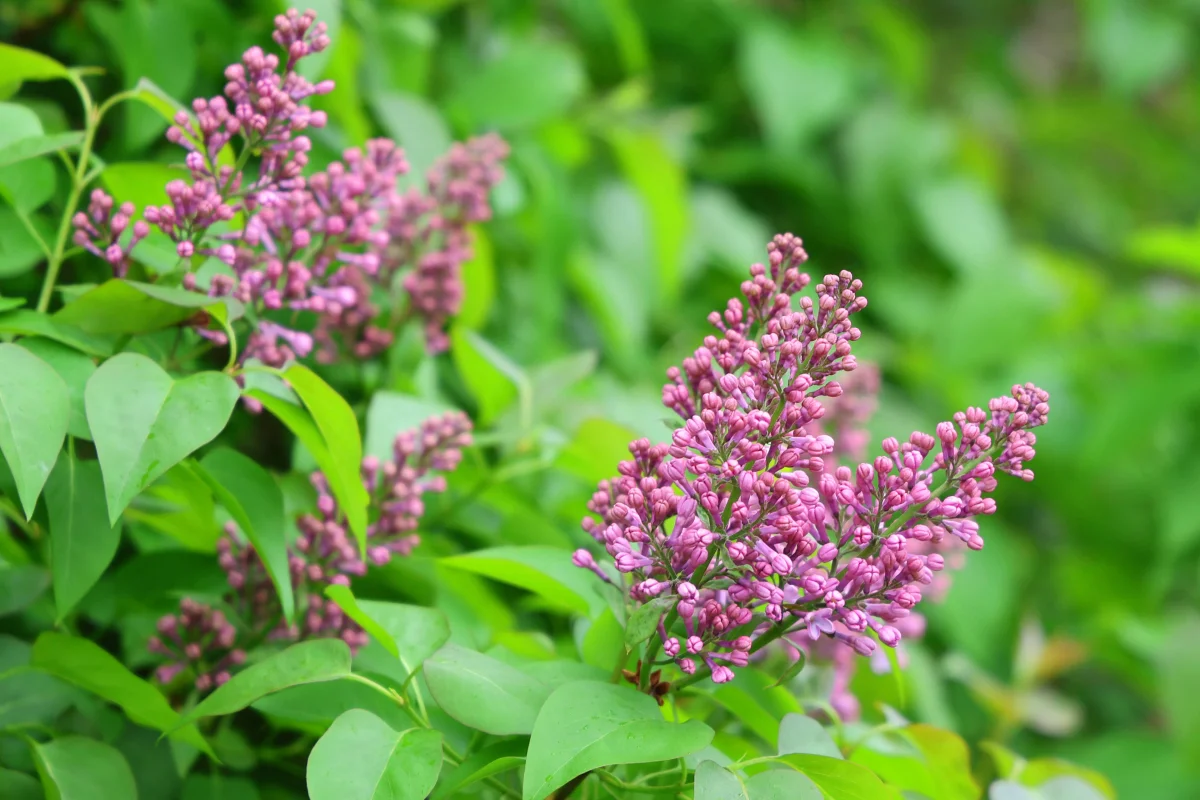
Just a couple of weeks ago, purple flower clusters were blooming in front gardens; now the first frost has caught them, and they hang like brown rags. Gardeners are wondering whether the bush itself has been damaged and whether it will flower in spring. We explain what happens to lilac that has "mixed up" the seasons, and how to help it get through the winter.
Autumn 2026 was unusually warm. In Omsk, lilac came into bloom as early as the start of October, and at the end of the month a slow-moving anticyclone settled over the East European Plain, and around a hundred temperature records were broken across the country in a few days.
On October 28, the air in Murmansk warmed to 11.7°C, beating a record for that day that had stood since 1937. In the same days, fresh purple flower clusters were photographed in St Petersburg, Ufa and Krasnodar. But in November the weather returned to normal, and many gardeners were left with a practical question: what will happen to the bush now?
Why the Bush "Woke Up" in October
Lilac sets the buds for next spring during the summer, at the tips of young shoots. In autumn, these buds are supposed to go dormant. But if a hot, dry summer is followed by a long warm spell, some of the buds take it as a signal to grow, and open six months ahead of schedule.
This happens especially easily when the warm weather lasts not just a day or two but for weeks, and the nights stay frost-free. In autumn 2026, exactly these conditions came together.
What Happens to the Bush When the Frost Comes
As the cold sets in, the open flower clusters and young leaves die. They haven't had time to prepare for winter and freeze at the first significant frost. It looks alarming, with brown, drooping flowers, but for the bush itself it's not a disaster.
The roots, trunk and woody branches of the lilac are ready for frost: it's a very hardy shrub that grows without protection both in central Russia and in Siberia. Only the parts that "woke up" in autumn suffer: the opened buds, the green tips of the shoots and the fresh leaves.
The Main Loss: Spring Flowers
The danger of a second flowering isn't that the bush will die, but that it has used up its spring reserve. The buds that opened in autumn are the very ones that should have flowered in May. They won't produce new ones before spring.
"Plants that have mixed up the seasons will overwinter poorly, and may not flower at all in spring," warned Vitaly Lun, an agronomist at a flower farm in the Serpukhov district of the Moscow Region, back during the warm autumn of 2020.
The more buds opened in autumn, the more modest the flowering will be next spring.
What Else Can Be Damaged
-
Young shoots. If the lilac not only flowered in autumn but also put out new green shoots, they won't have time to turn woody and will most likely be killed by frost. You'll have to remove them in spring.
-
Weakened bushes. A plant that spent its energy flowering in autumn copes less well with a harsh winter: sudden thaws, frost without snow cover, and ice crusts.
-
Young bushes. Young lilacs are generally more sensitive to swings in the weather, including spring frosts after thaws.
What to Do Now, Before the Hard Frosts
- Pick off any remaining buds and flower clusters
Vitaly Lun advises removing them as soon as they appear: "As early as September, you need to pick off all the buds as soon as they appear." If the flowers have already opened, carefully cut off just the flower clusters without touching the whole branch.
- Don't prune hard in autumn
If you cut off whole branches, you'll also remove the buds that haven't woken up and may flower in spring. It's best to leave serious formative pruning until spring, or until the bush is fully dormant in winter.
At the same time, Lun advised giving the soil under the plants a thorough soaking after the leaves have fallen to replenish the moisture reserves. This advice is especially relevant after a dry autumn.
- Clear the leaves from under the bush
Pests and fungal diseases overwinter in fallen leaves, so it's best to gather them up and put them on the compost heap.
- Don't feed
Nitrogen fertilisers in autumn stimulate growth, while what the bush needs now is rest.
How to Tell in Spring Whether the Bush Has Been Damaged
In spring, don't rush to conclusions: lilac isn't one of the first plants to wake up. Wait until the buds on neighbouring bushes start to swell.
-
Check the buds by cutting them. Cut one or two buds from the tip of a branch and slice them lengthwise with a sharp knife. A green, juicy centre means the bud is alive. Brown and dry means it's dead.
-
Look at the bark. Gently scratch the bark of a young branch with your fingernail. A green layer underneath means the branch is alive; a brown one means it has been killed by frost.
-
Cut out frost-killed wood once the leaves have opened. That's when it will be easy to see which tips have died, and you can cut them back to living tissue.
What About Closer to Home?
In Siberia and the Urals, lilac grows just as well as in central Russia: it copes well with frost. But for bushes that have "mixed up the seasons", things are harder here: winter usually arrives faster, and the awakened buds and shoots have almost no chance.
In autumn 2026, lilac bloomed in the centre of Omsk, for example, and in cases like this, the opened buds almost certainly won't survive the first hard frosts.
If the same thing has happened in your garden, do the same: remove the flower clusters, don't prune the bush hard until spring and don't feed it. In spring, the lilac will most likely flower more modestly than usual.
How to Reduce the Risk in Future
-
Don't overdo the watering in late summer. If the soil is constantly damp in August and September, the plant stays in active growth for longer and "wakes up" more easily in a warm autumn.
-
Don't apply nitrogen in the second half of summer. Nitrogen stimulates shoot growth, while by autumn lilac needs to go dormant.
-
Cut off spent flower clusters straight after spring flowering. That way the bush spends its energy not on seeds but on forming new flower buds, and they have time to prepare properly for winter.