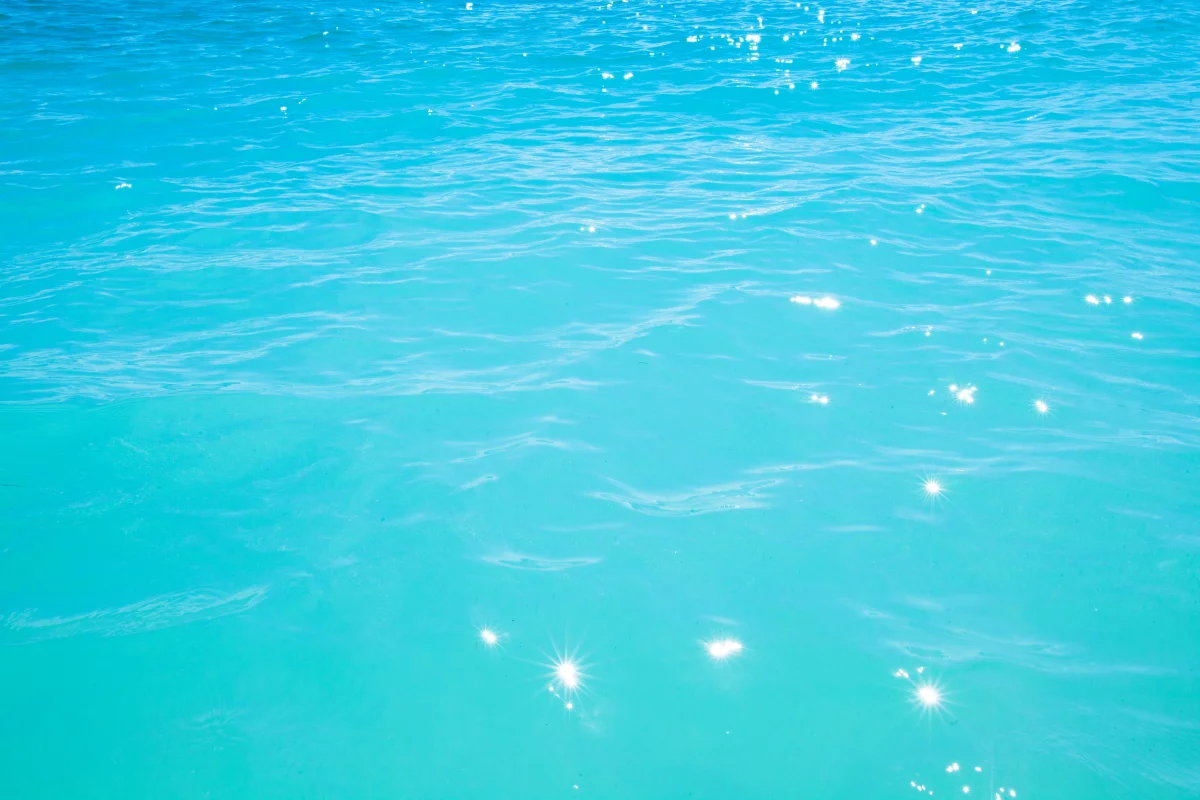
Tourists arrive at the "Turkish Maldives" in their swimsuits, only to be met at the most beautiful stretch of shore by wooden barriers, mounted gendarmes and "Do not enter the water" signs. The rules at Salda are strict, but they make perfect sense once you know where the line is drawn.
Most tourists visit Salda on a day trip from Antalya or Side. The photos in the adverts promise a white beach and turquoise water, and many are genuinely surprised when their guide warns them: don't step onto the main shore, and don't go into the water.
In fact, you can swim in Salda, but not everywhere and not as you would at an ordinary beach. Over six years, the Turkish authorities have turned the lake into one of the most strictly protected nature areas in the country, and the list of things you can't do here is noticeably longer than at the seaside.
Why Is the Main Beach Closed?
The best-known stretch of the lake is the White Islands (Beyaz Adalar) on the north-western shore. This is the spot you see on postcards, and it's where, since October 15, 2020, entering the water, swimming and using the beach have been banned. The decision was taken by Murat Kurum, then Turkey's Minister of Environment and Urbanisation.
The reason is that the white "sand" here isn't sand at all but fragile mineral deposits that form with the help of microorganisms. Feet, spades and tyres crumble them, and they recover very slowly.
In summer 2020, holidaymakers started digging holes in the white shore for mud baths, believing the local clay was good for their skin. After that, the authorities closed the area.
Today, at the White Islands, you're not only banned from swimming but also from walking on the white shore. Wooden barriers line the beach, and gendarmes and nature protection staff keep order.
Why Are They Cautious About the Rest of the Lake Too?
Salda is a closed basin: it has no outflow, and its water doesn't drain away into rivers. Everything that gets into the lake stays there. Turkish experts point out that holidaymakers' shampoos and sunscreens have caused serious pollution here, which the lake can't "flush out" on its own.
That's why swimming is only allowed at certain beaches and under strict rules.
Where Can You Swim?
-
Public Beach (Halk Plajı). The municipal beach of the town of Yeşilova. You enter the water along a marked strip, and there are cafés, showers and changing rooms. This is the main swimming spot on Salda.
-
Doğanbaba and Kayadibi beaches, and the Nature Park (Tabiat Parkı). You can go into the water here too, but the facilities are more basic.
All these beaches are subject to the same environmental rules as the rest of the shore.
What's Banned on the Shores Now
The list of restrictions has been building up since 2019, when Salda was declared a specially protected area. Here are the main ones:
-
Taking sand, clay or stones. Removing the white deposits, digging holes and taking mud baths are banned at the White Islands and the Public Beach, in the strip between the wooden barriers and the water. Gendarmes issue administrative fines for this. In 2020, the fine was 392 lira, about $53 at the exchange rate of the time.
-
Smoking. On August 1, 2020, Salda became Turkey's first "smoke-free" lake. Smoking and cigarette butts on the shore will get you fined.
-
Using soap, shampoo or cosmetics. This applies both in the lake and in the showers by the water.
-
Bringing food and drink, or having picnics. This is banned in the protected strip between the wooden barriers and the water.
-
Setting up sunloungers, parasols or tents on the shoreline.
-
Lighting fires outside designated areas.
-
Driving up to the shore. The car park has been moved about 2 km from the White Islands, and electric shuttles take visitors the rest of the way.
-
Holding events, filming or carrying out research without permission from the Ministry of Environment. Two paragliders were once fined 427 lira each simply for landing on the shore without permission.
At the Public Beach, lifeguards are on duty from 8:30am to 6pm and make sure swimmers don't go beyond the designated area.
Who Keeps Order in 2026?
In summer 2026, mounted gendarmerie units were back on duty at Salda. The gendarmes have an electric patrol boat, and police, AFAD (Turkey's Disaster and Emergency Management Authority) and medics are stationed along the shore. Mustafa Turan, the kaymakam (district governor) of Yeşilova, said in June 2026:
"The capacity here is close to 600,000. We will not accept more than 600,000 tourists."
According to him, around 450,000 people visited the lake in 2025. For comparison, in the peak year of 2019, about 1.4 million came. There are separate limits for the beaches themselves: under the Ministry of Environment's plan, the White Islands can take about 572,000 visitors a year, and the Public Beach about 281,000.
How to Visit Without Getting Fined
Only bring your swimsuit for the Public Beach, Doğanbaba or Kayadibi. People come to the White Islands for the view: you can look at the water from the viewing platforms and the paths behind the barriers. Before the trip, check with your guide which beach you'll be taken to.
Put sunscreen on in advance, or opt for clothing and a hat. It's best not to apply sunscreen just before going into the water: like shampoo, it pollutes the closed lake. Save the soapy shower for when you're back at the hotel.
Don't take anything home as a souvenir. A handful of white "sand" in a bottle seems a harmless keepsake, but to the gendarmes it's an offence. The same goes for stones and clay.
Take care in the water. Salda is one of the deepest lakes in Turkey, more than 180 metres deep in places. Only swim where it's permitted, and don't let children into the water unsupervised.
Choose a quieter time. Visitor numbers peak at summer weekends and on public holidays. On weekdays, in spring and in September it's calmer here, and the water is just as turquoise.