Winter in Chita lasts half the year, while swimming season runs a mere eight weeks. Between January's –22°F and July's 95°F lies a sharp jump that makes a Transbaikal summer short — but genuinely hot.
For someone from central Russia, it's hard to believe that Chita — a city associated with brutal frost and Tsarist-era penal exile — sees temperatures above 95°F in summer, with the city lake packed shoulder to shoulder.
But that's exactly how a sharply continental climate works: a merciless winter, a short, hot summer, and almost nothing in between. Let's break down when swimming season opens within that window, and where to go for a swim.
Why Chita Sees Such Extremes
The city sits in an intermountain basin at roughly 650 meters above sea level. The climate is sharply continental — one of the most extreme in Russia.
Average January temperature runs 9 to 13°F below zero (–25 to –27°C), while July averages 66–70°F (19–21°C). But the gap between record lows and highs reaches 90 degrees Celsius: from –58°F in winter to 104°F in summer.
The ocean sits far away, moisture is scarce, and so is cloud cover: Chita is one of the sunniest cities in the country, logging over 2,500 hours of sunshine a year — more than Sochi. That abundance of sun explains both the rapid warming of air and water in June–July, and the equally rapid cooldown by September.
When the Water Becomes Swimmable
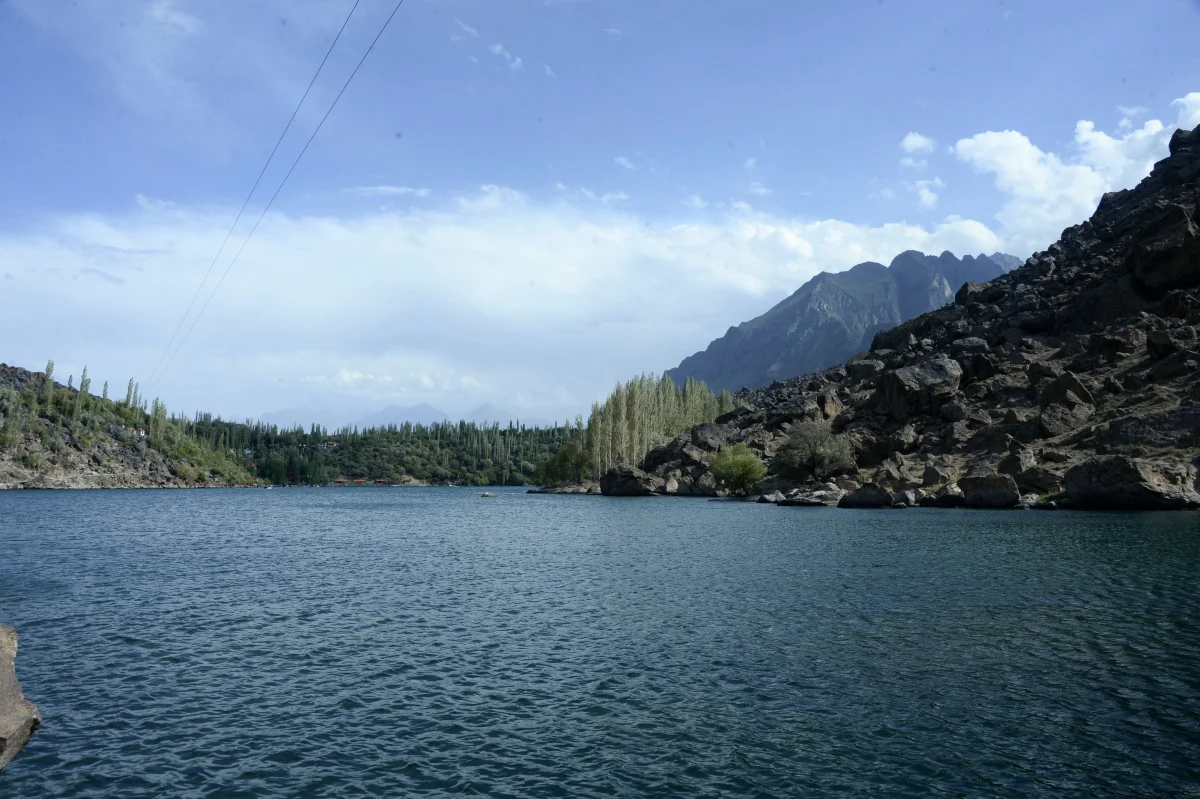
The main body of water in the city is Lake Kenon, sitting right within Chita's limits. It covers about 16 square kilometers, with depths mostly running 5–6 meters, reaching 12 meters in places. Its shallowness is the key factor: a small volume of water warms up quickly.
The city beach at Kenon typically opens in the first days of June, once the water reaches 68–72°F (20–22°C). Local sanitary services use a 72°F (22°C) threshold — below that, the beach doesn't formally operate. In hot years, the water reaches comfortable levels as early as late May; in cooler ones, closer to mid-June.
Peak warmth falls in the second half of July through early August: water at Kenon climbs to 75–79°F (24–26°C), and on the hottest days, can reach 82°F (28°C).
How Long the Season Lasts
Swimming season at Kenon typically ends by mid-August — after that, nights turn cold, the water quickly loses heat, and by month's end, temperatures drop to 61–64°F (16–18°C).
That leaves a window of 8–10 weeks — from early June through mid-August. That's noticeably shorter than in central Russia (where the season stretches into September), and shorter still than in southern Russia.
But within that window, Transbaikal summer rivals southern cities for heat: in July, temperatures often push past 86°F, and near-daily cloudless skies produce an intense tan.
Lake Arakhley: Transbaikalia's Main Beach
If Kenon is a city lake for "half an hour after work," Arakhley is a genuine beach destination — as much as that term applies to Transbaikalia. The lake sits 70 kilometers west of Chita, part of the Ivano-Arakhley lake system.
Arakhley is larger than Kenon (58 square kilometers), but also shallow: average depth runs around 13 meters.
The lake stays under ice for more than seven months of the year, and doesn't fully clear until the first half of June. But within two or three weeks, the water warms to 68°F (20°C), reaching its peak of 72–73°F (22–23°C) by late July or early August.
Beaches here are sandy, with a gentle entry, and the shores are ringed by hills and forest. Recreation centers and campgrounds operate June through August; infrastructure is modest, but for tent camping and fishing, this is one of the best spots in the region.
How Transbaikal Summer Differs From a Southern One
The main feature here is a sharp daily temperature swing. Daytime highs of 86–95°F drop to 54–59°F (12–15°C) at night. Swimming stays comfortable from morning through early evening, but it's best to leave the lake after sunset — it cools down very quickly.
The second feature is thunderstorms. The first half of July sees peak precipitation: brief but intense downpours, often with lightning. Afterward, shallow lakes can cool by a couple of degrees, but with abundant sun, they warm back up within a day or two.
The third feature is dry air. Summer humidity in Chita runs noticeably lower than at coastal destinations, so 90°F heat here feels easier to handle than the same 90°F in Sochi or Batumi. But the flip side: skin burns faster, since UV radiation at 650 meters elevation is stronger, and dry air masks the sensation of overheating.
When to Go for a Guaranteed Swim
The most reliable window is the second half of July: water at its warmest, rain already tapering off, and autumn cooldown still a ways off. Early June is a gamble — the water might already be warm, or it might still fall short of comfortable.
Early August is your last real chance: the beach is still open, but nighttime temperatures are already hinting that summer is winding down.
Practically speaking: Kenon is reachable by city transit, while Arakhley requires a car (70 km, decent roads). Sunscreen under the Transbaikal sun isn't a suggestion — it's a necessity: with dry, hot air and elevation working against you, sunburn can happen within half an hour, without ever feeling like you've overheated.