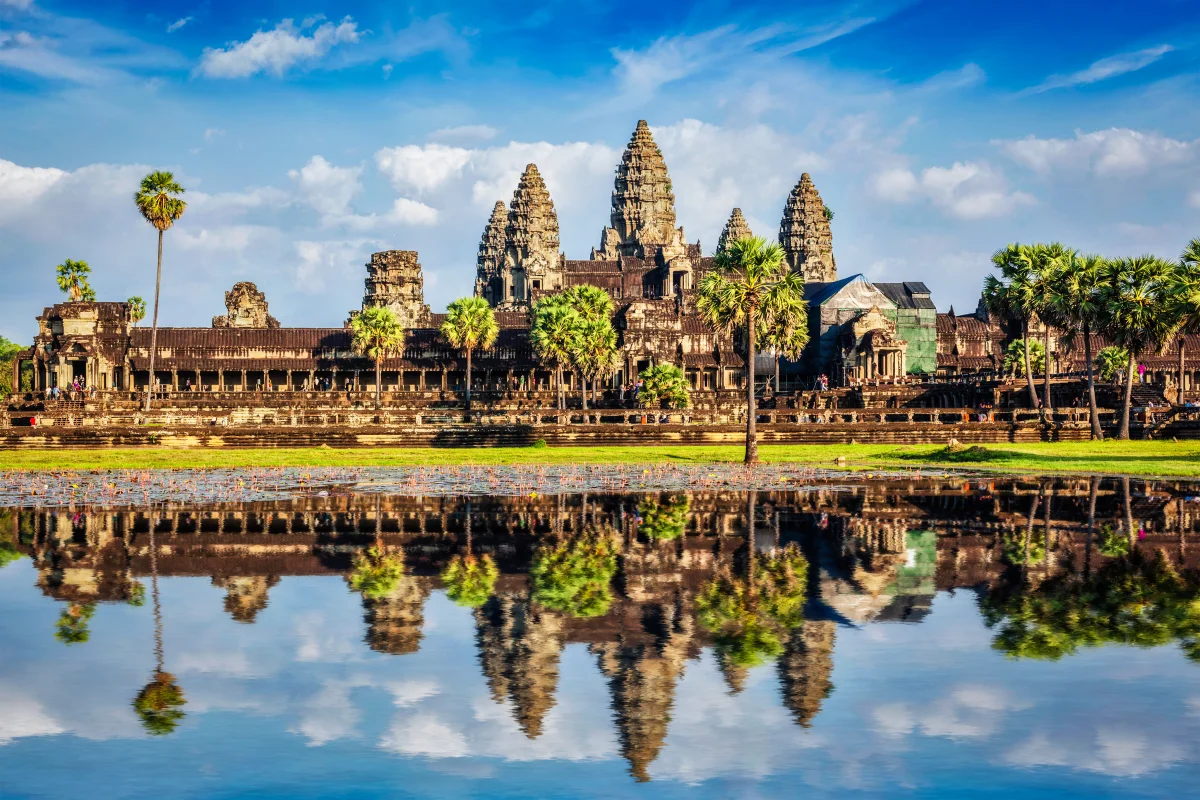
In December, the line at Angkor Wat stretches for half an hour, and sunrise tickets sell out a day in advance. In August, at that same temple, there are five people and silence — the moats are full of water, and the towers reflect off a mirror-still surface. Here's the difference.
Cambodia is a tropical country with two seasons: dry and wet. Most guidebooks recommend the dry season — November through February. It genuinely offers the best weather. But a growing number of travelers are deliberately choosing rainy season instead — and they have solid reasons.
When Rainy Season Starts and Ends
The southwest monsoon brings moisture from the Gulf of Thailand starting in May and departs by late October or early November. Peak rainfall hits August and September: up to 250–300 mm per month. But "rainy season" in Cambodia doesn't mean six months of nonstop downpour.
A typical day looks like this: sunny morning, clouding over by noon, a heavy downpour from 2 to 4 p.m., clearing again by evening. Between the showers: four to six hours of clean sunshine in the morning and two or three in the evening. That's enough for sightseeing, if you time it right.
Temperature during rainy season is +25–32°C — a couple of degrees below the dry hot period (March–April), when the air scorches to +38–40°C. The paradox: rainy July is cooler than dry April.
Cambodia's Three Seasons
Splitting the year in half is an oversimplification. In practice, there are three periods, each with its own character.
- Dry Cool Season (November–February)
The best time. Air at +25–30°C, moderate humidity, no rain. Ideal for Angkor, Phnom Penh, and the beaches of Sihanoukville. But this is peak season: crowds, prices at their ceiling, popular hotels booked out.
- Dry Hot Season (March–May)
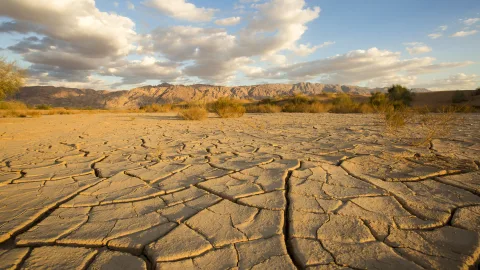
No rain, but temperatures of +35–40°C. Touring temples in that heat is an ordeal. Angkor's moats dry up, the landscape turns scorched. April is the hardest month.
Mid-month brings the Khmer New Year: the country grinds to a halt for three days, and many establishments close.
- Wet Season (May–October)
Rain, greenery, rivers at full flow. Temperature +25–32°C — more comfortable than March–April. Tourist numbers at their minimum. Prices at their minimum. Nature at its peak beauty.
Five Reasons to Go During Rainy Season
1) Angkor without the crowds
The Angkor temple complex is Cambodia's flagship attraction and one of the most visited sites in Asia. In December–January, thousands of tourists pass through daily. In July–August, dozens. The same Angkor Wat, the same sunrise, the same bas-reliefs — but in silence, without lines, and without strangers' selfie sticks in your frame.
2) Water in the moats
In dry season, the moats around Angkor Wat shrink or dry out entirely. During rainy season, they're full, and the temple reflects off them like a mirror. Those iconic shots with the five towers reflected in still water — that's Angkor's calling card. And they're taken during rainy season.
3) Tonle Sap at its peak
Southeast Asia's largest lake grows fivefold during rainy season — from 2,500 to 16,000 square kilometers. Floating villages, flooded forests, fishing boats gliding among treetops — all of it only accessible from July through October.
4) Prices
Hotels in Siem Reap (the city near Angkor) cost 30–50% less in August than in January. Flights too. The same excursions, the same guides — at half the price.
5) Nature
Cambodia during rainy season is vividly green. Rice fields sit flooded, palm trees glisten after rain, waterfalls are at full power. In dry season, the landscape turns brown and faded.
The Downsides of Rainy Season
A candid list of problems worth knowing about.
- Roads
Beyond the main highways, dirt roads get washed out. Reaching remote temples — Beng Mealea, Koh Ker, Preah Vihear — can be difficult or impossible. Roads around Siem Reap and Phnom Penh are fine.
Humidity of 80–90% is constant. Clothes don't dry, the camera fogs up, and stepping from air conditioning to the street feels like going from a fridge into a steam room. For anyone who handles humid heat poorly, it's a genuine discomfort.
- Beaches
Sihanoukville and the islands of Koh Rong during rainy season aren't a great choice. The sea is murky, there are waves, and some island restaurants and guesthouses close. For beach vacations — dry season only.
- Unpredictability
Rain usually arrives on schedule — after lunch. But sometimes it pours all day. Predicting a "bad" day in advance is hard, and one or two days out of ten might get spent waiting out a downpour in a café.
Which Month to Choose Within Rainy Season
Not all wet months are the same.
- June. Rains have begun but are still moderate — two or three downpours a week. Temples are accessible, roads are in good shape. A good introduction for anyone wanting to try rainy-season Cambodia without going to extremes.
- July–August. Rain is daily but predictable — almost always after lunch. Mornings are free for sightseeing. Nature is at its peak, prices at their lowest. The optimal choice for a deliberate low-season trip.
- September–October. Peak rainfall. Downpours are longer and heavier, roads at their worst. Tonle Sap is at its maximum, but reaching certain places becomes a challenge. For experienced travelers.
How to Adjust Your Itinerary
Angkor. Arrive at sunrise, around 5:30 a.m. Explore the temples until 11 or noon. After lunch: rain, then rest at the hotel or a café. Evening: a sunset spot (Phnom Bakheng or Angkor Wat). Three days on this rhythm cover the main temples.
Phnom Penh. The Royal Palace, the Silver Pagoda, and the Tuol Sleng Genocide Museum are all within walking distance. Mornings for sightseeing, afternoons for rain and museums.
Battambang. The country's second-largest city, colonial architecture, the bamboo train. During rainy season: green surroundings, rice fields, a peaceful atmosphere.
Sihanoukville and the islands — save for dry season. If a beach is what you want, better to close out your trip in Vietnam (Nha Trang, Phu Quoc from December to March) or Thailand.
Which Season to Choose — It Depends on Your Priorities
- Want guaranteed weather and the full package — December or January. Dry, comfortable, everything running.
- Want Angkor without the crowds and can handle rain — July or August. Mornings bring quiet temples, afternoons a downpour, evenings a cheap dinner in an empty restaurant.
- Want nature at its peak — September. Tonle Sap at its maximum, rice fields flooded, waterfalls roaring.
- Definitely avoid — April. Heat at +40°C, empty moats, and New Year's shutting down half the country.
Cambodia during rainy season isn't a ruined vacation — it's a different version of the same country. Less polished, less predictable, but more authentic. And Angkor in silence, reflected in still water, with not a single tourist in frame, is worth one afternoon downpour.