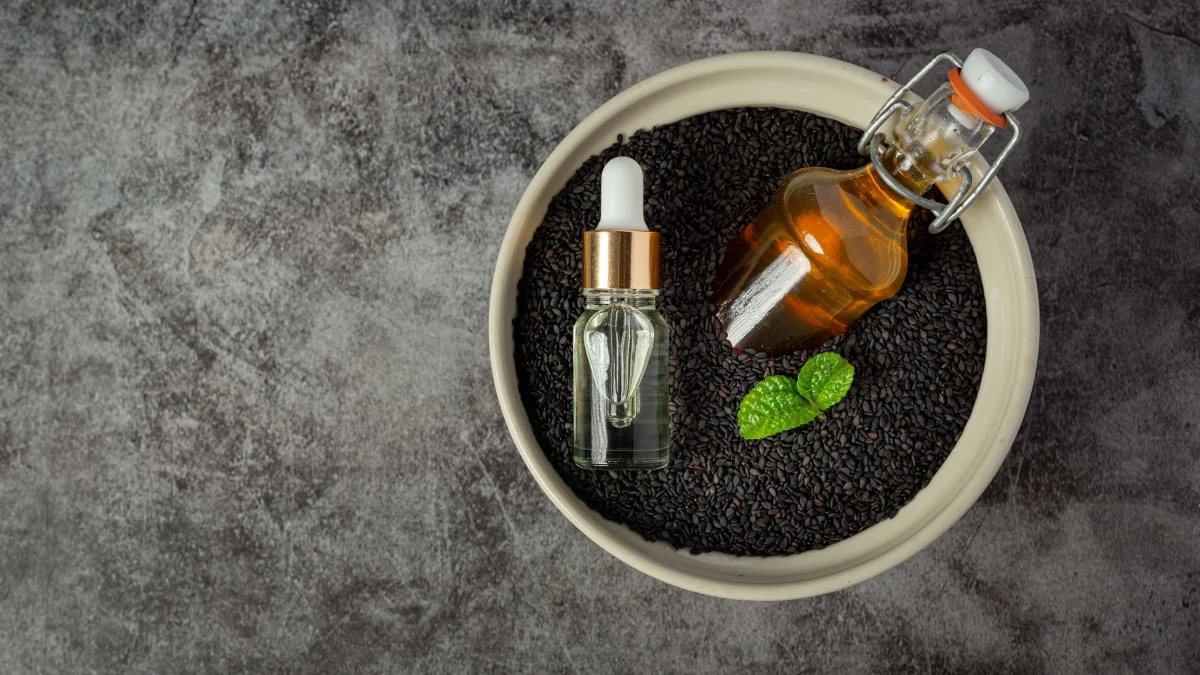
How to make a clove oil spray at home
You will need a bottle of clove essential oil, a standard household spray bottle and ordinary tap water. Although the oil itself can be expensive, you will need little of it, and one bottle will last you the entire season – or even several.
Fill the sprayer with 1 liter of water, then add 1 or 2 drops of clove oil. Shake the bottle to mix the two ingredients.
Oil and water do not actually mix very well, so do not forget to shake the bottle well each time you use it.
And here is why this spray will come in handy:
For pest control
If your garden has been overrun by hordes of soft-bodied insects, such as aphids, whiteflies or spider mites, this simple mixture is very effective. The clove spray will destroy them quickly.
To make sure the clove oil spray is safe to use in the garden, try it on a small part of a leaf before spraying the whole plant. In general it should not cause any harm, but some plants may be sensitive to oils – it is better to play it safe.
If the mixture does not cause any problems, spray the upper and lower sides of the leaves, as well as the stem of the plant and all other places where you see pests. Repeat about once a week.

Against powdery mildew
One of the main fungal problems in the garden is powdery mildew. Most often it appears on large leaves (for example, on squash). As the name suggests, this type of fungus looks like a light white dust on the upper part of the leaves. Heat and humidity promote its growth.
If you see this telltale «powder» on your plants, treat the leaves thoroughly and abundantly with the homemade clove oil spray. Repeat the treatment every few days until you notice improvement. As a preventive measure, even after the fungus has disappeared, spray the leaves once a week.
Against bacterial blight
The eugenol present in clove oil has antibacterial properties. In areas with cool and damp conditions, this is especially useful for preventing bacterial blight, which spreads across the surface of the leaves.
Early signs of this type of rot are considered to be small brown spots on the upper leaves of the plant. If left untreated, these spots will engulf and destroy the entire leaf.
What to do? Remove all severely damaged leaves and treat the rest of the plant with the clove oil spray at least once a week. Repeat the application process until you are certain that the bacterial blight is no longer spreading.

As a mosquito repellent
Here you will need not the spray but the essential oil itself. 2 drops of clove oil on each wrist – and mosquitoes will not come near you. If you have sensitive skin or other contraindications, you can apply a couple of drops to a handkerchief and carry it in your pocket.
You can also put a few drops of undiluted clove oil on a handful of cotton pads. Place them on your garden furniture or on the railing of your terrace to repel mosquitoes.