What do we know about the Amazon?
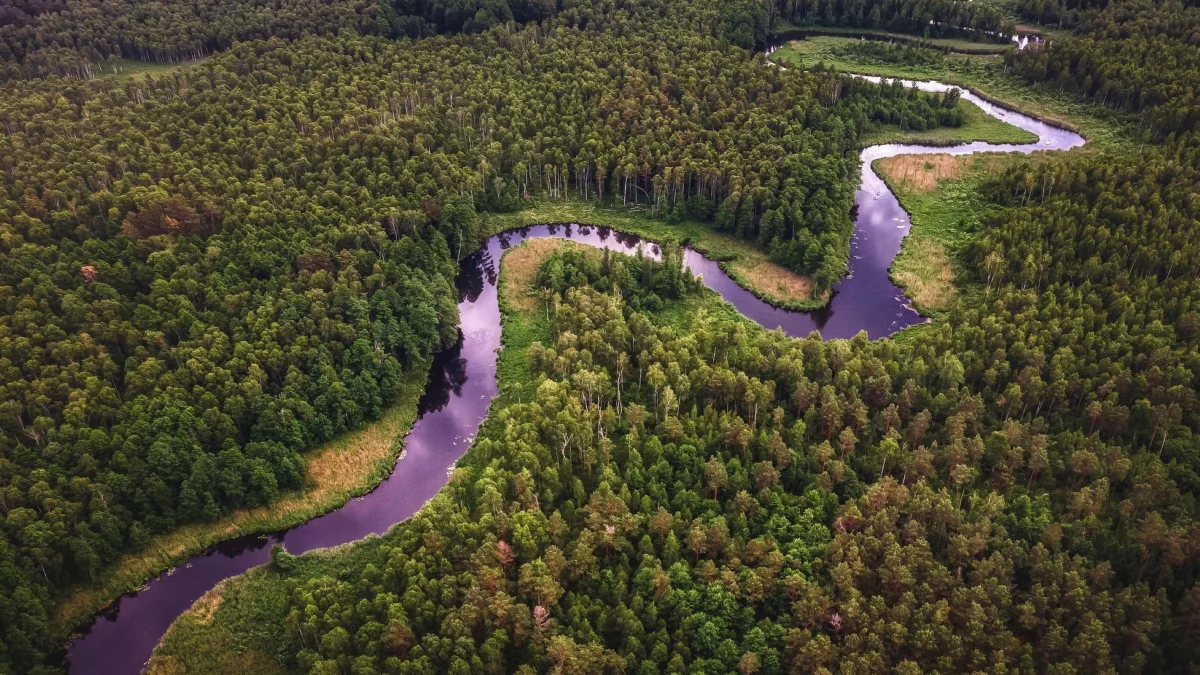
First of all, that it is one of the longest rivers on Earth – almost 7 thousand kilometers. That is precisely why it is often called the «river sea». For many, the Amazon and its tropical forests are associated with Brazil, but the river also flows through Peru and Colombia. More than 30 million people live in the Amazon basin.
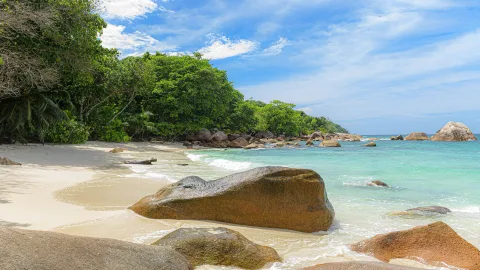
The tropical forest has become home to almost a million species of insects, two thousand species of mammals and birds, 40 thousand plants, and also approximately 390 billion trees. Even scientists are still not sure that they know all the representatives of the local flora and fauna. But many of the known ones are very dangerous. An encounter with an anaconda or a jaguar can hardly be called pleasant.
Nevertheless, the local people of the Amazon are forced to cross the river by boat. An insanely dangerous undertaking, but what can you do, since there is not a single bridge across this water artery. And this is, truly, surprising, especially if you compare it with other large rivers. For example, the Nile has 9 bridges, about 100 crossings span the largest river in Asia, the Yangtze, and the Danube, whose length is barely equal to one third of the Amazon, has 133 bridge crossings. Involuntarily you ask yourself the question: what is wrong with the Amazon?

The river is too unpredictable
The first reason why bridges are not built across the Amazon lies in its unpredictability. At any time it can change its direction, the speed of its current, its width, and its channel. Here is an interesting fact as proof: once upon a time the Amazon flowed in the opposite direction.
Problems are created by the seasonal fluctuations on which the river greatly depends. The period from June to November is considered the dry season. Then the width of the river usually ranges from 3.2 to 9.7 kilometers. From December to April the rainy season sets in and the river can «spread out» to 48 kilometers.
As for the water level, in the rainy season it is, as a rule, about 15 meters higher than in the dry period. In addition, the banks of the Amazon are also not suitable for any kind of construction – the soil here is too soft and there are a large number of marshes. A bridge, if anyone set about building one, would be very long, and its supports would have to be sunk very deep into the ground. The construction would cost a pretty penny.

But is a bridge even needed here?
The second reason for the absence of bridges across the Amazon is even simpler: there is no need for them. The river flows through areas where not so many people live. For ferrying them and for delivering food from one bank to the other, there is already a well-established transfer system: boats and ferries. The local people are used to it, and the absence of a bridge is not a serious problem for them. And in general, it is perhaps precisely the absence of infrastructure that has helped the region preserve its natural uniqueness.
But!
What was not done across the Amazon itself was done across its tributary! The Rio Negro, the largest left tributary of the Amazon, flows through the city of Manaus. And it is here that civilization has come into its own. There is a bridge across the Rio Negro and, in essence, it can be considered the first crossing over the great river.