A grim reminder of this is the story of Hannelore Schmatz – the first woman to set out to conquer Everest. She died on the approach to the summit in October 1979, and for 20 years her body horrified climbers. A dead woman sitting in the snow, blackened by the frost, with hair fluttering and eyes wide open – even this ghastly sight did not stop ambitious conquerors of the mountain heights.
Everest would once again confirm its reputation as a merciless killer when, without waiting for dawn, on May 10, 1996, two commercial groups – «Mountain Madness» and «Adventure Consultants» – set off for the summit. At that time, conquering Everest had become one of the most expensive tourist amusements. Wealthy people keen on mountaineering were prepared to pay tens of thousands of dollars to climb the dangerous summit. For many, this trek seemed like simple fun…Thirty people, excellently equipped climbers, with experienced guides – Sherpas – among them, simply longed to find themselves on Everest.
A breakdown along the way
But from the very start, everything would go off plan. The vaunted Sherpas would not manage to fix the rope handrails along the route in time. Then difficulties arose because of the safety lines and the queue of climbers. The delays and the loss of precious time had already begun to fray the nerves of the group leaders — the American Scott Fischer and the New Zealander Rob Hall.

And on the approaches to Everest a snowstorm unexpectedly broke out, intensified by a hard frost. Visibility dropped sharply, and moving through the snowdrifts was incredibly difficult. It is worth noting that among all the participants in the ascent of Everest, the Russian climber Anatoli Boukreev possessed the greatest experience. He knew perfectly well that at an altitude above 8,000 meters the human body is, in a sense, in a stage of slow dying. Strength rapidly fades, and the ability to recover is lost. Boukreev would be the first to reach the summit, but this achievement would bring him no joy. Anatoli would sense that disaster had struck the other participants…
And in these most brutal conditions, all the problems suddenly piled up and played a fatal role in the destiny of those conquering Everest. First and foremost, the unpreparedness of the clients of the commercial groups for such ascents made itself felt. The lack of oxygen would also lead to sorrowful consequences.
Tragic mistakes
The leaders' grave mistake was that they should not have headed for the summit with three large groups of climbers at once. Regrettably, the first to pay with his life for this rashness was 40-year-old Scott Fischer…
Waiting one's turn to ascend at an altitude of 8,500 meters in the terrible cold was incredibly hard and exhausting. Doug Hansen, the climbing instructor Andy Harris and the Japanese athlete Yasuko Namba were the next to be added to the list of Everest's victims. Anatoli Boukreev would do everything possible to save the lives of the remaining expedition members. A year later, Boukreev would die in a snow avalanche during an ascent of the Annapurna summit...

The New Zealander Rob Hall did not abandon his charges until the very end. While the others descended from the summit, he stayed to help the exhausted American Doug Hansen. Over the radio, rescuers urged Hall to descend, since because of the storm help would have to be awaited for a very long time. But Rob was determined – he would not leave a man alone. The next morning Hall reported over the radio that Doug had died…Hall was running out of oxygen, he had suffered severe frostbite to his hands, and he could not descend the ropes.
Several times Rob's colleagues and friends made approaches toward the summit to reach their comrade. But the storm was relentless, and all the attempts proved futile. Then the weakening Rob asked to be connected over the radio to his pregnant wife, to say goodbye to her…After the conversation with his wife, Hall made no further contact. Two months after the tragedy, Rob's daughter Sarah was born.
Hall's body could never be brought down for burial; he remained at rest in the snows of Everest.
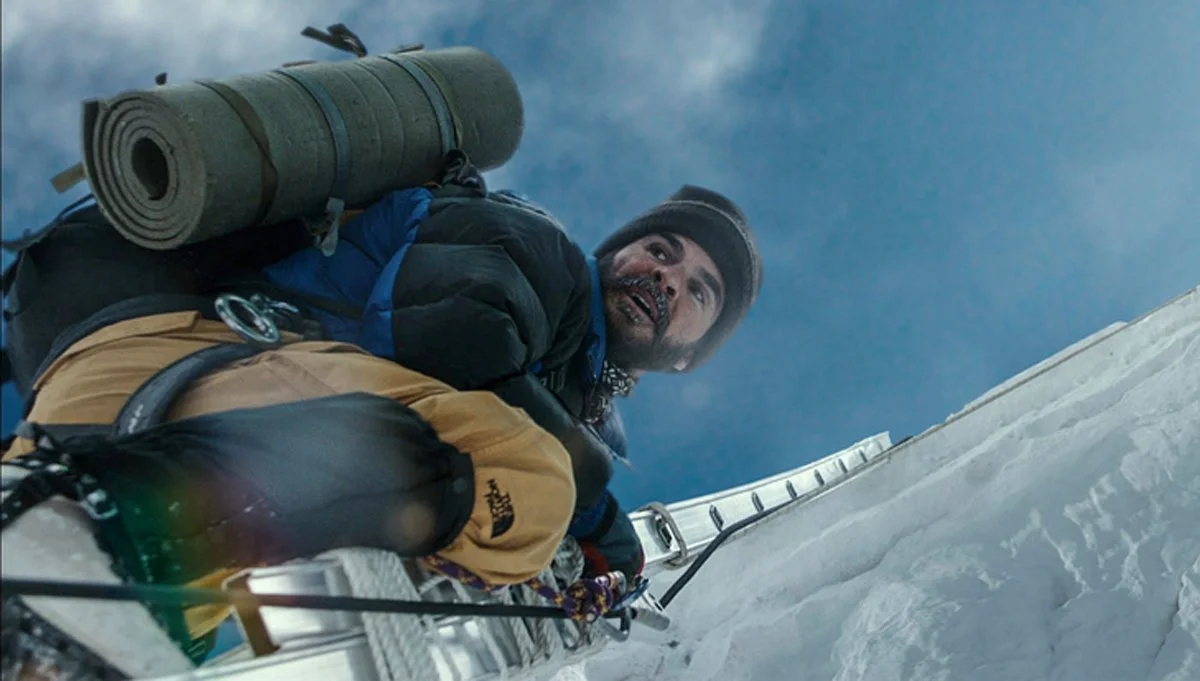
In September 2015, the film «Everest» by the Icelandic director Baltasar Kormákur was released. This picture is yet another attempt to depict in dramatized form the tragic events of May 1996.
«When I Fell from the Sky»: stories of people who survived plane crashes