The summer of 2026 opened with a mosquito invasion: starting in mid-May, swarms of insects hit several major regions at once. But in other corners of the country, mosquitoes remain nearly absent — and the reasons come down not to chemistry, but to geography.
A mosquito is a simple creature: it needs standing water to breed, warmth for its larvae to develop, and humidity to survive. Where any one of those three is missing, mosquitoes are missing too — or so scarce you can leave the repellent at home.
Where Mosquitoes Are Scarcest
Dry steppes and semi-deserts. Kalmykia, southern Volgograd Oblast, the steppe districts of Orenburg — these regions get just 200–300 mm of rain a year, standing water is rare, and soil dries out fast. Mosquitoes have nowhere to breed. In Elista, you can sit outside on a summer evening without a single bite — a luxury unavailable to residents of the Moscow suburbs.
An important exception: the Volga Delta. Astrakhan sits in a semi-desert zone, but the city is surrounded by channels, backwaters, and reed thickets. Mosquitoes here are as thick as in the taiga.
The southern coast of Crimea. Yalta, Alushta, Gurzuf — a dry Mediterranean climate, rocky soil, minimal standing water. Wind off the sea blows the insects away too. Mosquitoes do exist here, but in numbers too small to notice. Steppe Crimea is a different story: wherever there are irrigated fields and reservoirs, mosquitoes show up.
High mountains. Above 2,000–2,500 meters, mosquitoes are essentially absent: too cold, too windy, no standing water. The alpine meadows of the Caucasus, Altai, and Sayan mountains are a mosquito-free zone. But descend into the valley, and they return.
Windy coastlines. The Barents Sea coast near Murmansk, Kaliningrad Oblast — a constant wind off the sea keeps mosquitoes from flying. It's not absolute protection (they appear on calm, warm days), but overall the situation is far better than 100 kilometers inland, in forest zones.
Major cities. Downtown Moscow, St. Petersburg, Yekaterinburg — asphalt, concrete, drainage. Standing water is scarce, and area treatment happens regularly. Mosquitoes exist in parks and near bodies of water, but you won't encounter them on Tverskaya Street or Nevsky Prospekt.
Where Mosquitoes Are Worst
The opposite pole is the taiga zone from Vologda to Chukotka. Endless swamps, lakes, floodplain meadows, tundra puddles — an ideal breeding ground. In Yakutia, Yamal, and Khanty-Mansiysk, mosquitoes and midges in June–July are a natural disaster on par with subzero winters in terms of discomfort.
A separate category is the floodplains of major rivers. The Volga, Ob, Irtysh, and Yenisei leave millions of puddles and backwaters during spring flooding, and these turn into incubators. Two or three weeks after the water recedes, billions of mosquitoes emerge. This exact mechanism is behind the 2026 invasion.
Why 2026 Has So Many Mosquitoes
The invasion reported by dozens of regions since May stems from two factors converging.
The first is heavy May rainfall. In the Volga region, the Urals, and Western Siberia, May was rainy, flooding was delayed, and by month's end millions of puddles lined the rivers — ideal nurseries for mosquito larvae.
The second is the warmth that followed immediately after the rain. Mosquito larvae develop at temperatures above +10°C, and at +25°C they mature in 7–10 days. May's rain supplied the water; June's heat supplied the speed. The result: an explosive emergence of adult mosquitoes across enormous territories, all at once.
"Two factors drove mosquito activity in June — the May downpours and the absence of intense heat. The alternation of warmth and rainy days creates the ideal microclimate for larval growth," explains entomologist Vladimir Gladun.
What Determines How Many There Will Be
Four factors determine mosquito numbers in any given season.
- Spring Rainfall
The more water remains on the surface after snowmelt and spring rains, the more places exist for egg-laying. A dry spring means few mosquitoes. A wet one means many.
- Temperature
At +10–15°C, larvae take 3–4 weeks to develop. At +25°C, just a week. A hot May following a wet April is the worst-case scenario. But an overly hot, dry summer also reduces the population: small bodies of water dry up, leaving larvae nowhere to grow.
- Wind
Mosquitoes are weak fliers. A steady wind of 5–6 m/s prevents them from moving around and feeding. Windy regions see fewer mosquitoes.
- Area Treatment
Cities and resorts conduct larvicidal treatment — killing larvae in bodies of water and storm drains. Effectiveness depends on timing and coverage area. In 2026, several regions began treatment later than usual due to prolonged flooding, which worsened the situation.
When It Will Get Easier
Peak mosquito season in central Russia falls in June through early July. After that, the first wave — the largest — begins to fade: mosquitoes live 2–4 weeks, and without new larvae, the population declines.
Hot, dry weather speeds the decline: puddles dry up, humidity drops, and breeding conditions deteriorate. If July and August turn dry and hot, mosquito numbers will drop significantly by the second half of summer.
Prolonged rain in midsummer can trigger a second wave — a new generation of larvae in fresh puddles. But it's usually weaker than the first.
By September, mosquito season winds down in central Russia: nighttime temperatures fall below +10°C, halting larval development. In southern regions, individual mosquitoes persist until October, but without the summer's mass presence.
How to Protect Yourself
If you find yourself in mosquito territory, a few rules work better than folk remedies:
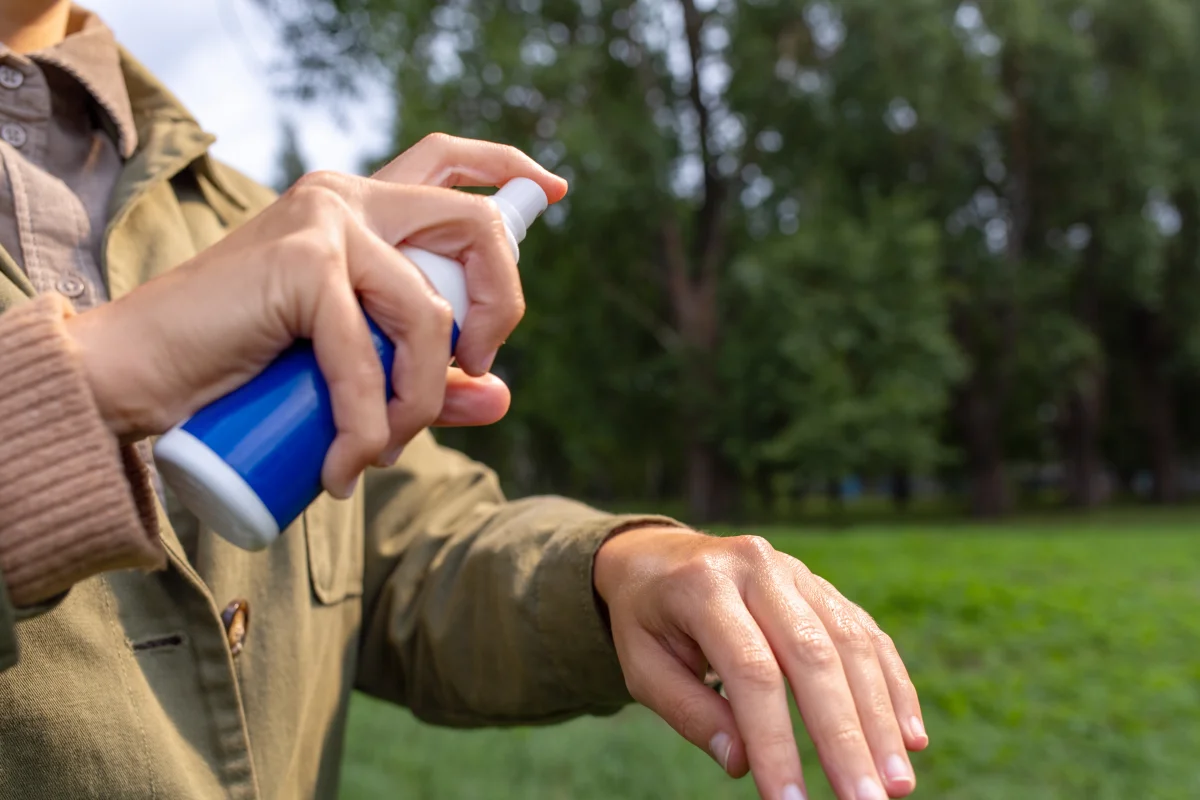
- DEET-based repellents are the most reliable option. A concentration of 25–30% protects for 4–6 hours. Apply to exposed skin and clothing, reapplying per instructions.
- Permethrin on clothing. Treated fabric repels and kills mosquitoes on contact. The effect survives several washes.
- Window screens. Obvious, but still not installed everywhere.
- Clothing. Long sleeves, pants, closed shoes in the evening. Mosquitoes are most active at dawn and dusk.
Electric fumigators work indoors. Outdoors, coils and citronella candles help, but their effectiveness is limited to a radius of just a couple of meters.
Ultrasonic repellent devices, according to research, don't work. Neither do essential-oil bracelets. The only measures with proven effectiveness are DEET, permethrin, and a physical barrier.