The asphalt is melting, the subway feels impossible to breathe in, the office air conditioner can barely keep up, and the forecast is calling for +35 °C for another three days. A familiar picture — and one that seems to be becoming more common every year. Between “it’s just hot” and “this is life-threatening” lies a fine line that is easy to miss if you don’t know what to watch for.
Extreme heat is more than an inconvenience. According to the WHO, around 489,000 people worldwide die every year from causes related to heat. In Russia, an extreme heatwave lasting 44 days in 2010 was associated with 56,000 excess deaths.
The summer of 2022 claimed more than 61,000 lives in Europe. This is not the kind of disaster that comes with collapsing buildings and mass evacuations. It is a quiet, often invisible threat that can kill people in their own homes, at their country houses, or inside parked cars. And protecting yourself is easier than it might seem.
What happens to the body in extreme heat
The body maintains a temperature of around 36.6 °C through two main mechanisms: blood vessels dilate, bringing blood closer to the skin so heat can escape, and sweating, which cools the body as sweat evaporates. Both mechanisms require water — and plenty of it. When the body runs short of fluids, the system begins to fail.
The first stage is heat exhaustion: weakness, dizziness, heavy sweating, nausea and a rapid pulse. The person remains conscious, and body temperature is below 40 °C. This is a “stop” signal: move somewhere cool immediately, drink water and rest.
If the warning is ignored, the next stage is heatstroke. Body temperature rises above 40 °C, sweating may stop and the skin becomes hot and dry. Confusion, delirium and seizures can follow. This is a medical emergency: without prompt treatment, heatstroke can be fatal or cause permanent damage to the brain and internal organs.
One important distinction: sunstroke is a specific form of heat illness caused by direct exposure of the head to the sun. Heatstroke, however, can happen indoors — in a stuffy apartment without ventilation, in a hot workshop or inside a parked car. Direct sunlight is not required.
Who is most at risk
Heat can be dangerous for anyone, but some people are more vulnerable to overheating and can deteriorate faster and more severely.
-
Older adults
As we age, the body's ability to regulate temperature becomes less efficient: blood vessels lose elasticity, sweat glands become less active, and the sense of thirst becomes weaker. A person may therefore drink less simply because they do not feel thirsty. Many older adults also take diuretics or blood-pressure medication, which can increase fluid loss.
-
Young children
Their sweating system is not yet fully developed, their body surface is relatively large compared with their mass, and they often cannot explain that they are feeling unwell. Children can overheat faster than adults.
-
People with chronic conditions
Heart and cardiovascular disease, diabetes, asthma and obesity can all reduce the body's ability to cope with the additional strain caused by heat.
-
People who work or exercise outdoors
Physical activity produces heat of its own. Add +35 °C outside, and the body has to get rid of a double burden of heat — something it cannot always manage.
Drinking: not “as much as possible,” but regularly
The most common advice is “drink more water.” It is correct, but incomplete.
-
Thirst comes late
By the time you feel thirsty, your body may already have lost 1–2% of its body weight in fluids. At +35 °C and during physical activity, a person can lose up to a litre of sweat per hour. Don't wait until you are thirsty — take small sips every 15–20 minutes when you are outside or working.
-
Water comes first
Juice, fruit drinks and green tea are fine. Soft drinks and other sugary beverages are less suitable because sugar can slow fluid absorption. Coffee in moderate amounts — one or two cups — is acceptable, but it should not be your main source of fluids. Alcohol is a different matter: avoid it, as it increases dehydration and puts additional strain on the heart.
-
Ice-cold water isn't necessarily better
Very cold drinks can trigger blood-vessel constriction in the stomach and slow absorption. Cool water, around +15…+20 °C, is a better choice.
A useful benchmark: on a hot day, an adult should drink at least 2–2.5 litres of plain water, and more during physical activity. Russia's Emergency Situations Ministry recommends at least 1.5 litres even with minimal activity.
Clothing: the fabric matters
When it's hot, the instinct is to strip down as much as possible. But going shirtless in direct sunlight is a bad idea: bare skin heats up faster and gets an ultraviolet burn on top of everything else.
The rules are simple: choose light colours (they reflect sunlight rather than absorb it), natural fabrics (cotton and linen allow air to circulate and absorb sweat), and a loose fit rather than tight clothing, so air can move between your skin and the fabric.
A hat or other head covering is essential. A bucket hat, sun hat or cap with a wide brim — any option that covers your head and neck will do. Sunglasses are not just an accessory: they help protect the retina from ultraviolet radiation.
Time of day: not all hours are equal
The sun is strongest between 11 a.m. and 4 p.m. Rospotrebnadzor and the Emergency Situations Ministry recommend limiting time outdoors during these hours. If you have to go outside, stay on the shady side of the street, take breaks in cool places and avoid direct sunlight for longer than necessary.
Neurologist Valeria Potyakina of the Orenburg Regional Clinical Hospital stresses that heatstroke can occur not only in direct sunlight but also inside a stuffy room with the windows closed or in a car, where temperatures can reach dangerous levels within minutes.
A car parked in the sun can heat up to +60…+70 °C within half an hour. Children and pets left inside closed vehicles make the news every year. This is not merely carelessness — it is a life-threatening situation.
Food: lighter is better
It's normal to have less of an appetite in hot weather. The body conserves energy needed for digestion and redirects resources toward cooling itself. There is no need to force yourself to eat on schedule if you don't feel hungry.
A few practical rules help. Heavy, fatty food is a poor choice: digesting it requires energy and generates additional heat. Vegetables, fruit and fermented dairy products are easier to digest and contain water. Watermelon, cucumbers and tomatoes are practically edible water, making them particularly useful in hot weather.
Try to cook in the morning or evening, rather than turning on the stove or oven during the hottest part of the day and adding even more heat to the kitchen.
Your apartment: how not to turn it into a sauna
If you don't have air conditioning — and a significant share of the population doesn't — keeping your home cool becomes a matter of strategy.
-
Cover the windows. Heavy curtains or blinds on the sunny side can block up to 80% of solar heat. The most effective setup is light-coloured material on the outside, which reflects sunlight, and a darker inner layer that absorbs the remaining heat.
-
Ventilate at night and early in the morning. When it's +35 °C outside, open windows during the day won't help — they simply let hot air in. Open them after sunset and close them again in the morning, before temperatures begin to rise.
-
Use a fan with a damp towel. A fan does not actually cool the air; it simply moves it around. But placing damp fabric in front of it can cool the air by 2–4 degrees as the water evaporates.
-
Cool the floor. If possible, wipe the floor with cool water. Evaporation from a large surface can help lower the temperature indoors.
Air conditioning: a lifesaver with a few caveats
If you have air conditioning, it can make an enormous difference. But Rospotrebnadzor warns that dirty filters can become a breeding ground for bacteria and mould. In neglected systems, this can even contribute to Legionnaires' disease. Filters should be cleaned every two to three weeks during periods of heavy use.
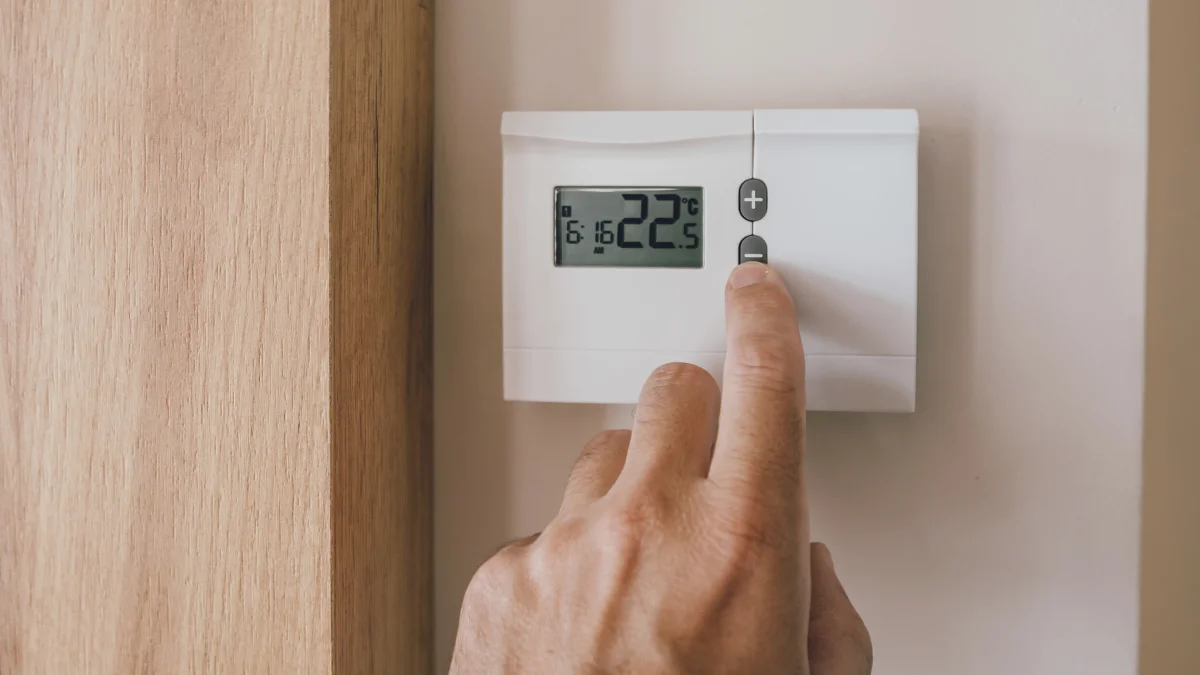
An indoor temperature of +22…+25 °C is generally comfortable. Setting the air conditioner to +18 °C when it is +35 °C outside is not ideal: a 17-degree temperature difference between indoors and outdoors puts additional stress on the body's cardiovascular system. A difference of 5–7 degrees is a more comfortable and safer range.
Simple ways to cool yourself down
Sometimes there is no air conditioner, fan or shade available. A few tricks work simply by taking advantage of the physics of heat transfer.
-
Wet your wrists and neck with cool water. Blood vessels run close to the skin in these areas, allowing heat to be transferred away more quickly. A damp cloth around the neck is an old trick — but an effective one.
-
Take a cool, not icy, shower. Very cold water can cause blood vessels to constrict, paradoxically making the body hold on to heat. Comfortable cool water at around +25…+30 °C works better.
-
Put your feet in a basin of water. If you're at home and cannot escape the heat, place your feet in a basin of cool water. The feet are another area where significant heat exchange takes place.
How to recognise when things are getting serious
Heat exhaustion can creep up on you. The first signs are weakness, dizziness, nausea, heavy sweating and a rapid pulse. The skin may be pale and damp. At this stage, moving somewhere cool and drinking water can help the body recover.
Warning signs that require emergency medical help include a body temperature above 40 °C, stopped sweating with hot, dry skin, confusion, delirium, seizures, loss of consciousness or vomiting that makes it impossible for the person to drink.
Until medical help arrives, move the person somewhere cool, remove tight clothing and cool the body with a damp cloth rather than ice, which can trigger blood-vessel constriction. If the person is conscious, offer cool water in small sips.
Habits, not heroics
Heat is not something you can simply power through. “I'll tough it out,” “I'm not that hot,” “I'll get used to it” — these are the kinds of things people say an hour before they end up needing emergency medical help. The body does not acclimatise to +38 °C in a single day. Heat acclimatisation takes 7–14 days, and physical exertion should be reduced during that period.
Extreme heat is a temporary episode. The goal is to get through it without consequences. Drink before you feel thirsty. Seek shade before you feel unwell. Close the curtains before your apartment turns into an oven. None of these measures costs money or requires special preparation — only paying attention to what your body is telling you.