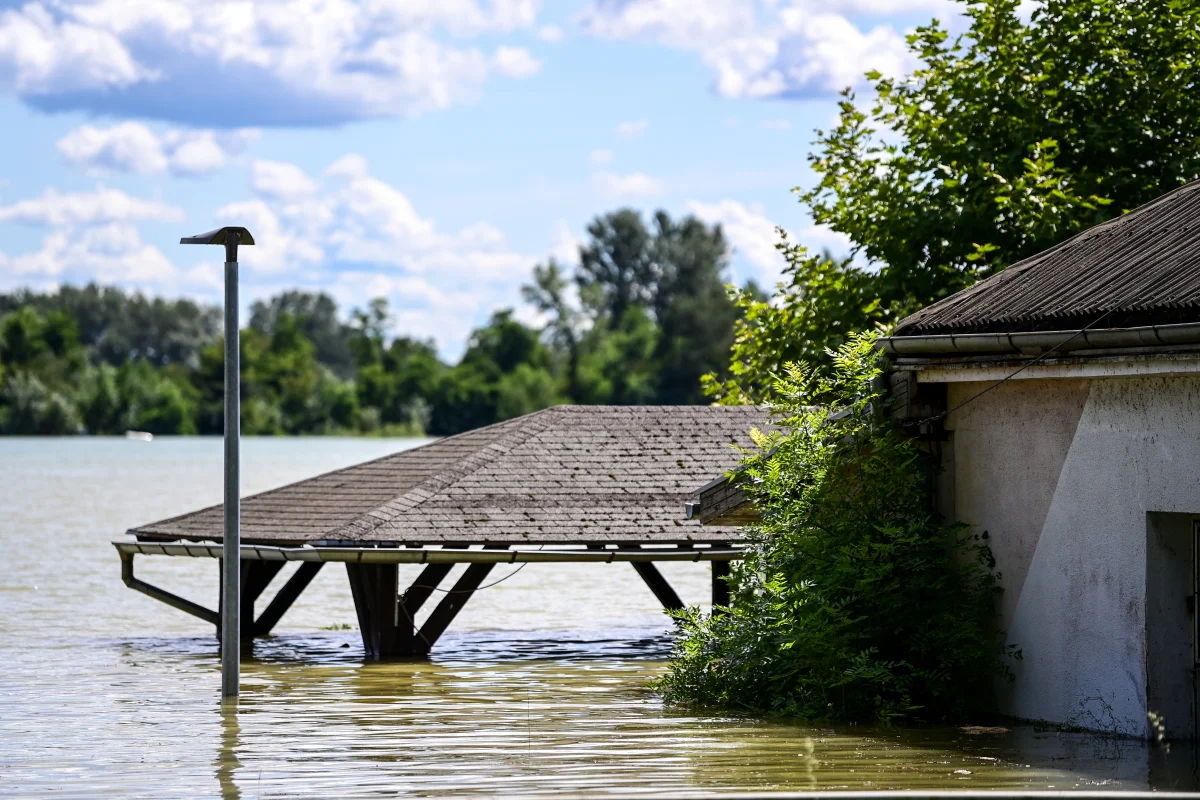
Three years in a row, spring flooding has struck the same regions. In 2024, a dam broke in Orsk, submerging over 8,000 homes. In 2025, flooding hit Chelyabinsk Oblast, Bashkortostan, and Krasnoyarsk Krai. In 2026, EMERCOM issued advance warnings about above-normal rainfall. Every year brings casualties. And most of the dead are people who refused evacuation.
According to the Orenburg Oblast government, the 2024 flood claimed 15 lives — all deaths from drowning or hypothermia. A forensic investigation established that most had declined offered evacuation. Rescuers went door to door asking people to leave. They stayed — and got trapped when water rose a meter in an hour.
Flooding is a predictable disaster. Unlike an earthquake, which strikes without warning, rising water can be tracked days or hours in advance. The difference between those who survive without loss and those who lose everything almost always comes down to decisions made before the water arrives.
When Warnings Come — Act, Don't Wait
EMERCOM issues flood warnings in advance — via SMS, sirens, loudspeakers, television, and radio. If an evacuation message arrives, it's not a suggestion — it's a signal to act immediately.
The biggest mistake is waiting. "The water's still far off," "our foundation is high," "we didn't flood last year" — arguments that sound reasonable three hours before the water arrives. And stop working entirely when the level rises a meter in an hour, roads are cut off, and a rescue boat can no longer reach your house.
EMERCOM head Alexander Kurenkov, addressing a 2026 flood briefing, noted that the past two years have hit Yakutia, Sakhalin, Omsk, Tyumen, and Chelyabinsk oblasts especially hard.
In 2025, a breach in an earthen levee on the Minusinka River near Minusinsk threatened 120 residential homes — an airmobile rescue unit was urgently dispatched to the city. In Chelyabinsk Oblast and Bashkortostan, flooding submerged hundreds of homes across several districts. The pattern repeats every time: a warning was given, time was available, but someone decided to wait it out.
What to Do Before the Water Rises
If a flood threat has been declared and you're in a possible flood zone, the sequence of actions is clear and specific.
Pack an emergency bag: documents (passports, insurance policies, certificates — in a waterproof bag), cash and bank cards, medications, a day's supply of water, a phone charger, a flashlight. Everything should fit in one bag you can grab and go.
Move valuables to upper floors or the attic. Household appliances go on tables and cabinets. Furniture that can't be lifted should be covered in plastic sheeting.
Shut off gas, electricity, and water. Flooded wiring is a lethal electrical hazard. A gas leak in a flooded home risks explosion. Water lines get contaminated during a flood — don't drink from them.
Close windows and doors; where possible, board up ground-floor windows. This won't stop a major flood, but it slows water intrusion. Prepare your vehicle: full tank, parked facing the exit. If evacuating by car, every minute spent turning around is time lost.
If Evacuation Is Announced — Leave
The most effective flood protection is simply not being in the flood zone. Evacuation isn't panic — it's an organized departure along predetermined routes.
Follow EMERCOM's instructions: routes, assembly points, transportation — all announced through the alert system. Take only what's essential — your emergency bag and your children. Property can be replaced; a life cannot.
If leaving by car, don't attempt to drive through flooded sections. Water 30 centimeters deep can knock an adult off their feet. At 60 centimeters, it can sweep a car away. The engine stalls, water pressure jams the doors, and the vehicle becomes a trap.
Children, the elderly, and people with disabilities are evacuated first. If elderly neighbors live alone nearby, warn them and help them leave.
If the Water Arrives Suddenly
In a sudden flood, move upward. Second floor, attic, roof. Don't go down to the basement — it's a trap: water fills it first, and escaping a flooded basement is nearly impossible.
From the roof or upper floor, signal for help: hang bright fabric, use a flashlight at night, call 112. Rescue helicopters and boats are searching for people — help them find you.
If you end up in the water, don't fight the current. Swim with it, aiming for the nearest high ground. Hold onto large floating objects — doors, logs, empty containers. Remove heavy clothing and footwear if they're pulling you down.
Don't attempt to wade through moving water. Flood current speed is deceptive: knee-deep water may look calm but pulls with a force impossible to resist. People swept away while crossing flooded streets account for one of the most common causes of flood deaths.
What You Must Never Do
- Never return to a flooded home for belongings. Water can rise within minutes, and undermined structures can collapse.
- Never drink water from flooded sources. Floodwater contains sewage, chemicals, petroleum products, and animal carcasses. Even water that looks clear is contaminated with bacteria.
- Never touch downed wires or electrical devices in the water. Flooded wiring is a lethal hazard. If you see sparking or feel a tingling sensation, leave the area immediately.
- Never walk through flooded streets unless absolutely necessary. Under the water lie open manholes, pits, sharp debris, and wires. What looks like a 20-centimeter puddle could be a two-meter drop.
When the Water Recedes, the Danger Isn't Over
Returning to your home after a flood is no less dangerous than the flood itself. Before entering, inspect the building from outside. Cracks in the foundation, tilted walls, a sunken porch — signs of damage that mean don't go inside until specialists have assessed it.
Inside, don't turn on electricity or gas until an emergency service has checked them. Don't light any flame — a gas leak is possible. Ventilate the space: stagnant water releases toxic fumes.
Anything that contacted floodwater is potentially contaminated. Discard food. Dry and disinfect furniture and textiles. Treat walls and floors with an antiseptic. If you have a well, pump it out and have the water tested.
Photograph all damage before cleanup begins — you'll need it for your insurance company and compensation claims.
How to Prepare in Advance
Flooding is a predictable disaster. Preparation doesn't cost money — just attention.
Find out whether your home sits in a potential flood zone. Flood maps are available on regional EMERCOM and administration websites. If your home is in a risk zone, your emergency bag should be packed before flood season begins (March–April for most regions, June–August for the Far East).
Get property insurance with flood coverage. After Orsk in 2024, many discovered their policy excluded natural disasters. Check the terms — before the water shows you why it mattered.
Save your region's emergency numbers in your phone: EMERCOM (101, 112), local administration, and the nearest temporary shelter.
Who to Call
112 — the universal emergency number. 101 — fire service and rescuers. If flooding threatens, report rising water, people refusing to evacuate, and structural damage. Every call helps rescuers assess the scale and direct resources.
A flood isn't a disaster you can't escape. You can drive away from it — if you do so in time. The last three years have shown the same pattern: the people who die aren't those the water reached too fast, but those who didn't believe it would reach them at all. When EMERCOM says "evacuate," that's not excessive caution. It means: leave now.