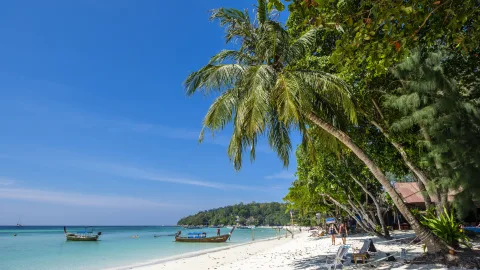
For Russians, Turkey means beaches and a sea that warms up to +28 °C. But the same country has areas where the thermometer drops below −40 °C in winter and people ride horse-drawn sleighs across frozen lakes.
In January, when daytime temperatures in Antalya hover around +14 °C and people stroll along the seafront in light jackets, the people of eastern Turkey are stoking their stoves and knocking down icicles as tall as a person. Turkey's cold record stands at −46.4 °C. It was recorded on January 9, 1990, in the Çaldıran district of Van province, near the border with Iran, and is the lowest reading in 53 years of observations by the Turkish State Meteorological Service.
Why Eastern Turkey Is So Cold
Turkey is a mountainous country, and its eastern part is the high plateau of Eastern Anatolia. Many towns and villages here sit at 1,700–2,000 metres above sea level. The air gets colder with every hundred metres of altitude, and the sea, which softens winter on the coast, is far away.
In winter, cold air masses from Siberia sweep into Eastern Anatolia.
Clear skies and dry air let the ground lose a great deal of heat at night, especially in basins and river valleys. That's why the hardest frosts strike not on the mountain peaks but in villages on the floors of high valleys.
Where Turkey Gets Its Hardest Frosts
According to Turkish meteorological service data for 1970–2023, almost all of the monthly cold records were set in the east of the country:
-
Çaldıran (Van province): the all-time record of −46.4 °C in January 1990 and −45 °C in February 1985. It has dropped to −26 °C here even in April, and to −23.2 °C in October.
"For most of the year, the temperature here is below zero," says Özgür Şafak Çoban, who runs the greenhouse operation in Çaldıran, where vegetables are grown in geothermally heated greenhouses.
-
Yüksekova (Hakkari province): −42.5 °C on December 31, 1979.
-
Hamur (Ağrı province): −41.2 °C on March 3, 1985, the record for March.
-
Aşkale (Erzurum province): −40 °C as early as mid-November 2016.
-
Göle (Ardahan province): −40 °C in February 2020, when a Siberian cold snap gripped Eastern Anatolia.
Erzurum: The Coldest Big City
Of Turkey's large cities, the coldest is Erzurum. It stands at more than 1,700 metres, and the average January temperature is about −6 °C by day and −16 °C at night. That's more like winter in central Russia than the Turkey most people know.
Erzurum does have one advantage, though: the Palandöken ski resort is just 5 km from the city. Skiing here takes place at 2,200–3,100 metres, the season runs from December into spring, and the resort hosted the Winter Universiade in 2011.
Lake Çıldır: Sleighs on the Ice
Turkey's most unusual winter scene is the frozen Lake Çıldır in Ardahan province, in the north-east. The lake lies at almost 2,000 metres and stretches for about 20 km. From December to March, the ice is thick enough to drive on: usually about 25 cm, and up to 40 cm in hard frosts.
In the depths of winter, temperatures here fall to −30…−40 °C. Local people take tourists out on horse-drawn sleighs and show them ice fishing. "We are bringing our culture and our traditions back to life," explains Orhan Göller, a guide who lives by the lake.
What About the Resorts in Winter?
On the coast, where Russians usually go, winter is a completely different story. According to the Russian travel site Tonkosti Turizma, January brings:
-
Antalya: about +14 °C by day and about +5 °C at night.
-
Alanya: about +15 °C by day.
-
Kemer: about +11 °C by day and about +5 °C at night.
-
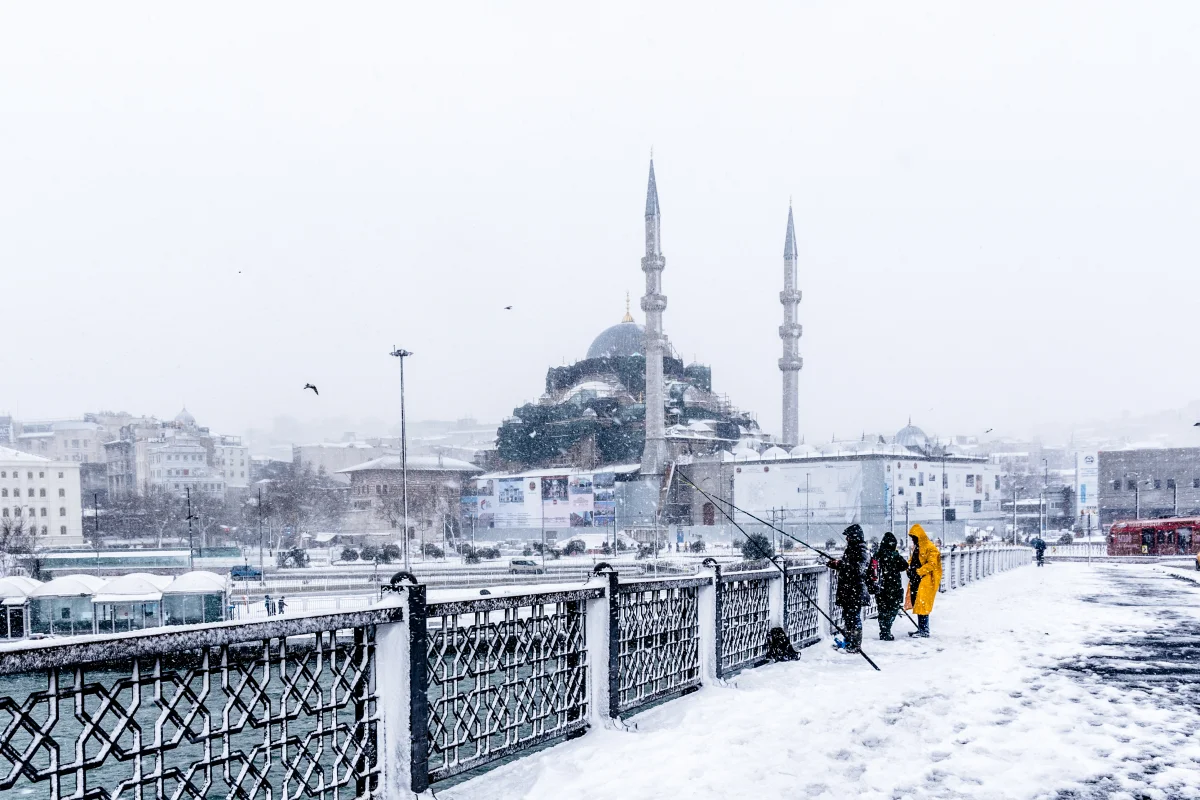
Istanbul: about +10 °C by day, with occasional snow.
-
Ankara: about +4 °C by day and below zero at night.
The sea along the Mediterranean coast is about +16…+18 °C in winter, but the beaches are closed because of the waves. Snow almost never falls in Antalya or Alanya, but it lies on the Taurus Mountains, which you can see straight from the seafront.
If You Want to See a Turkish Winter
-
Choose January or February. These are the coldest months in the east of the country: the snow is reliable and the ice on Lake Çıldır is solid.
-
Dress as if you're going to Siberia. In Erzurum, Kars and Ardahan you'll need proper winter clothing: a down jacket, thermal underwear, warm boots, a hat and mittens. The light jacket you'd usually pack for Turkey won't do here.
-
Allow time for the journey. Getting to eastern Turkey means a flight from Istanbul or Ankara, followed by roads over mountain passes that can be closed in a blizzard.
-
Combine the cold with the warmth. A convenient itinerary is a couple of days in Erzurum or at Lake Çıldır, then a flight to the Mediterranean coast, where it's about +15 °C at the same time of year and oranges are ripening on the trees.