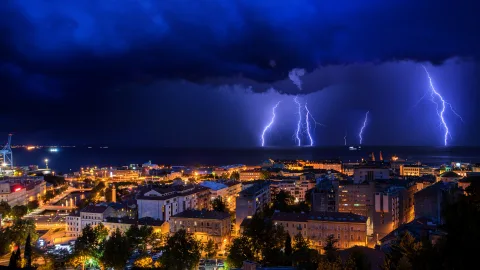
Standard weather apps show "thunderstorm" on Phuket every single day from May through October — and the panic starts before you've even bought your tickets. In reality, that "thunderstorm" usually means 20 minutes of rain after lunch, with sunshine, +30°C, and half-empty beaches the rest of the time.
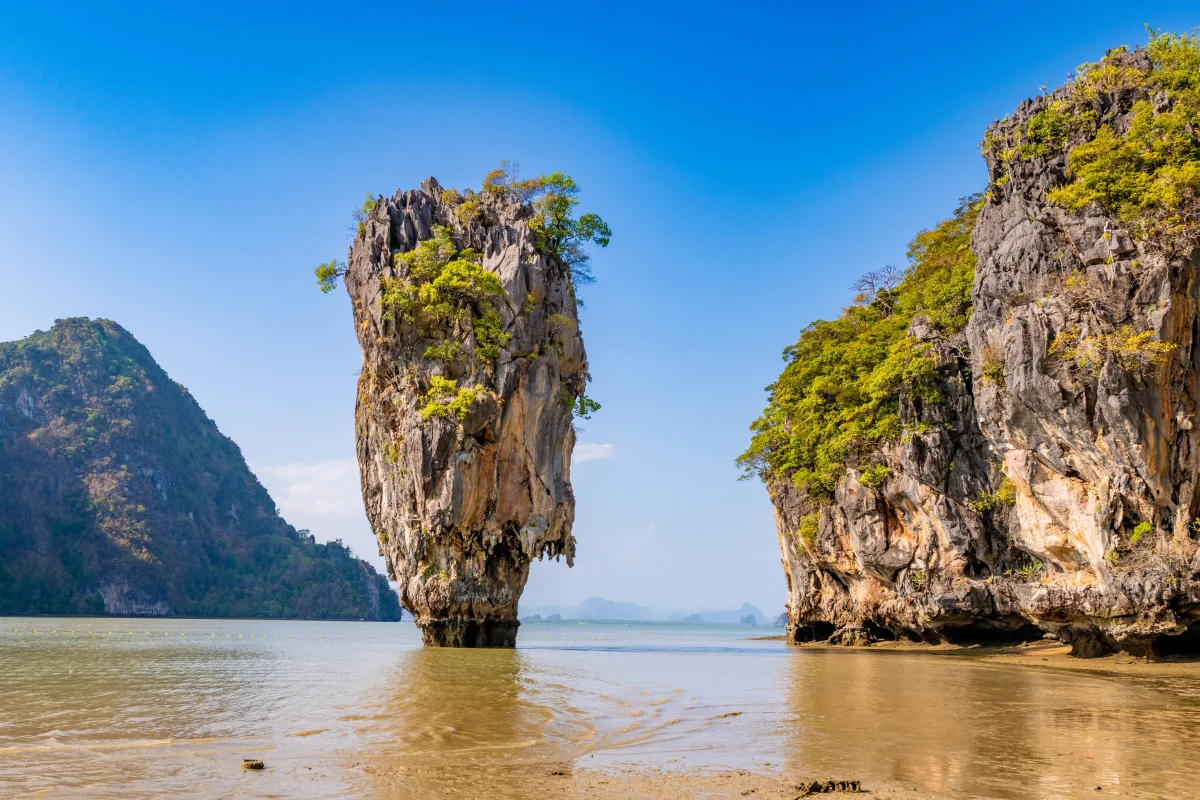
Phuket is Thailand's largest island, washed by the Andaman Sea. High season runs from November through April, low season from May through October. The split looks rigid on paper, but in practice it's blurry. Half of the "bad" months are perfectly fine for a vacation, and some of the "good" ones aren't as flawless as the guidebooks promise.
High Season: November Through April
November–December. The rains recede, the sea calms, and water clarity improves. Air at +28–31°C, water at +28–29°C. November is transitional: downpours are still possible in the first half, but by the second, clear weather settles in. December marks the start of the full season — and the beginning of the price climb.
January–February. The peak. Rain is virtually nonexistent, the sea is calm, skies are cloudless. The best conditions for diving and snorkeling — underwater visibility reaches 30 meters.
The Similan Islands — one of the world's premier dive sites — are open. But prices are at their ceiling: hotels cost 50–100% more than in summer, popular restaurants are packed.
March–April. Heat intensifies — up to +33–35°C, with April occasionally hitting +37°C. Humidity climbs, the sea warms to +30°C and stops being refreshing. No rain yet, but comfort is declining. April is the hottest month: for anyone who handles extreme heat poorly, this is already tough.
Low Season: What Actually Happens
From May through October, the southwest monsoon brings moisture to Phuket from the Indian Ocean. But "rainy season" doesn't mean six months of nonstop downpour. Each month within this period has its own character.
May–June
A transitional stretch. Rains begin, but they're still short and predictable — usually after lunch, lasting 30–60 minutes. Before and after: sunshine. Temperature +29–32°C, water +29°C. The sea starts getting choppy, but on sheltered beaches along the east coast it stays calm.
The biggest advantage: prices drop 30–50%. A hotel that costs 5,000 baht per night in winter goes for 2,500 in May. Restaurants are half-empty, roads are clear. For anyone undaunted by a half-hour rain shower per day, this is the most cost-effective window.
July–August
Rains are more frequent and longer — sometimes 2–3 hours. But there are still enough sunny hours for tanning and exploring. The island's greenery is at its peak, waterfalls are running full, nature is vivid.
The serious problem is the sea. On the western beaches (Karon, Kata, Patong, Nai Harn), the monsoon drives waves up to 2–3 meters. Lifeguards plant red flags — swimming is prohibited. Rip currents drag people out to open water. Every rainy season, Phuket records tourist deaths from people who ignored the warnings.
The workaround: the east coast — Panwa Beach, Ao Yon, Cape Yamu. They're shielded from the monsoon by the island itself, the sea is calm, and swimming is safe.
September–October
The rainiest months — up to 350–400 mm in September (versus a January norm of 55 mm). Downpours can be prolonged, and overcast days outnumber sunny ones. The sea on the western shore remains unsettled.
These are the only two months when the low season can genuinely disappoint. But even here, it doesn't rain every day. Between downpours, sunny windows of 4–6 hours are common.
Five Reasons to Go in Low Season
- Prices. Flights, hotels, excursions — everything is 30–50% cheaper. The same room, the same pool, the same view — at half price.
- Empty beaches. In January, Patong is standing room only. In June — a dozen people per kilometer of sand.
- Surfing. Low season is prime time for surfers. Waves at Kata and Karon are consistent, 1.5–2 meters. Schools and board rentals are operating.
- Nature. After the rains, the island turns brilliantly green, waterfalls run at full power, and sunsets turn dramatic. Photographers deliberately visit in the low season for stormy skies and contrasting light.
- Spas and restaurants. Everything is open, but without the lines. A massage for 300 baht, a beachfront dinner with no reservation — luxuries the high season simply can't offer.
What You Should Actually Worry About
It's definitely not the rain. Rain is an inconvenience, not a danger. The real risks of low season are the sea and currents.
On western beaches during the monsoon, rip currents form — narrow channels that pull swimmers away from shore. They're invisible from the surface and impossible to fight head-on. The rule: if you're caught in one, swim parallel to shore, not toward it.
A red flag on the beach is an absolute ban on swimming. Not a suggestion — a ban. Every season, tourists die after deciding the waves "aren't that big."
Which Month to Choose
Want a guaranteed beach with no compromises — January or February. Want warmth on a budget where rain doesn't ruin the day — May or June. Want surfing and empty beaches — July–August, but swimming only on the east coast. Not recommended without a strong reason — September–October. Want the best of both worlds — November: the rains depart, prices haven't spiked yet, and the Similans reopen mid-month.
And above all: don't trust the "thunderstorm" icon on your phone. On Phuket it glows for half the year, but that doesn't mean it rains for half the year. It means somewhere on the island, at some point during the day, there will be a downpour. Most likely — while you're asleep.