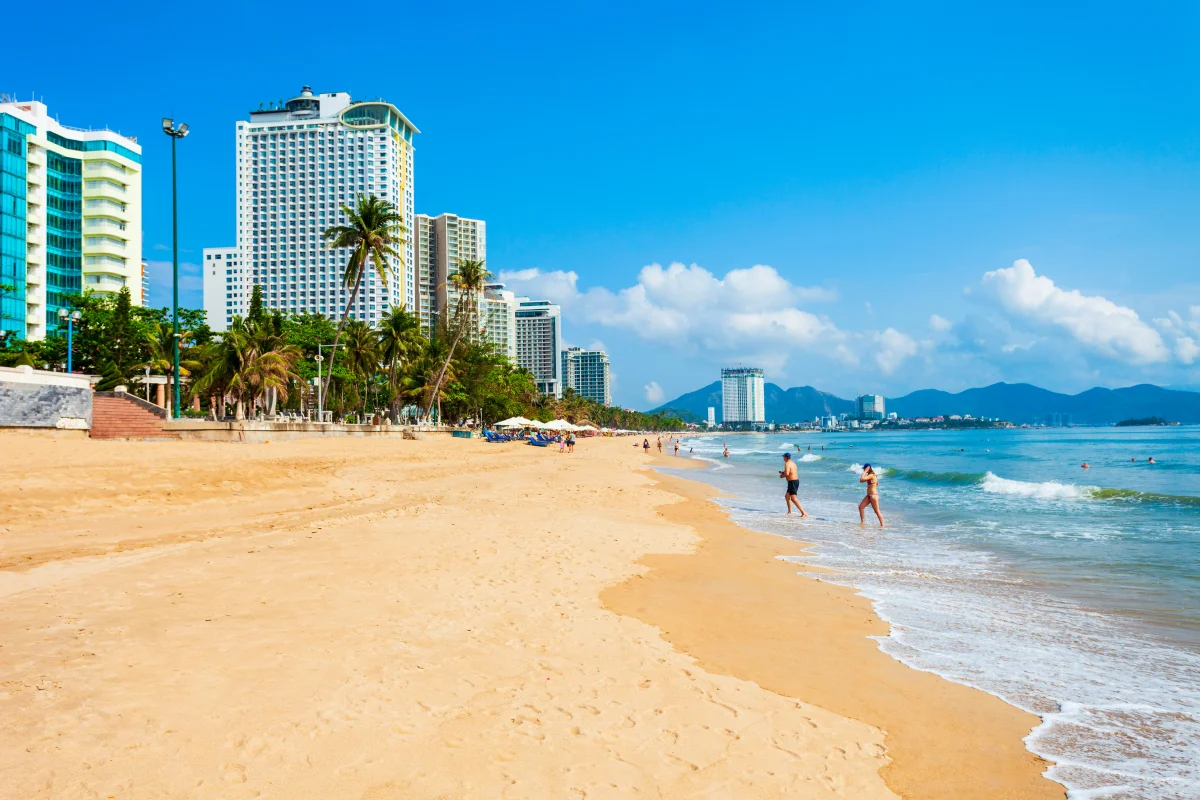
Nha Trang has two high seasons: winter, for visitors from Russia, and spring, for those who care most about the sea. The difference between them is noticeable: in one you get warm air and bracing waves, in the other calm seas, clear water and an easy way into the ocean.
Russian travellers are used to thinking of Nha Trang as a winter destination: buy a package for January or February, fly from minus twenty to plus twenty-seven, and you're already happy. But ask the Vietnamese, or divers who have lived on the Khanh Hoa coast for years, and you'll get a different picture.
The perfect time for the sea here is not winter but spring. And there are very specific reasons for that: water temperature, clarity, wave conditions and even wind direction.
Dry Season Doesn't Mean Beach Season
In Nha Trang, the dry season runs from January to August: eight months with hardly any serious rain. But "dry" and "perfect for the sea" aren't the same thing.
January is technically already dry, with around 45 mm of rain in the month. But the sea hasn't yet calmed down after the autumn storms.
Waves on the main beach can be sizeable, and the water is somewhat murky, with underwater visibility of only 5–10 metres. The air is 26–27°C and the water 24–25°C. Fine for sunbathing, too early for snorkelling and diving.
February is a turning point and also the driest month of the year (around 25 mm of rain). In the first half, the weather is still changeable, but from the second ten days of the month the sea calms down, the sunshine becomes reliable and the wind drops.
By the end of February, the air warms to 28–29°C and the water to 25°C, and visibility improves to 8–12 metres. That's already comfortable swimming, although perfection is still a couple of weeks away.
March to May: What Locals Call the Best Time
If you're choosing the time when Nha Trang is at its very best, it's March, April and May. Vietnam Tourism, the country's tourism portal, calls this period the "sweet spot" of the season: the best combination of beach weather and clear water.
March: air at 28–30°C, water at 26°C, and practically no rain (around 30 mm for the month). The sea is calm, and underwater visibility reaches 12–18 metres, which makes all the difference for snorkelling at Hon Mun.
The skies are clear, there's little wind, and there's no summer heat yet. By this time the winter wave of Russian tourists has thinned noticeably (although charters from Russia keep flying to Cam Ranh until April), and the summer influx of Vietnamese families hasn't begun.
April is one of the driest months of the year. There's around 35 mm of rain, and the vast majority of days are sunny. The air warms to 31–32°C and the water to 27–28°C. Underwater visibility is at its peak: 15–20 metres.
This is the best time for diving, boat trips to the islands and family holidays with children: the entry into the water is gentle, there are hardly any currents and the waves are slight.
April is when the sea along the main Tran Phu beach is most often truly calm: the water is clear, and you can wade in up to your waist with almost no waves.
May: Hot, but the Sea Is Excellent
In May, Nha Trang heats up. The air is 33–35°C, and higher on some days. The water is 29°C, as warm as a bath. Humidity rises and short afternoon showers appear (around 55 mm of rain for the month), but they don't spoil things: they blow in and out within half an hour.
Underwater visibility is still 15–20 metres: this is the last month of maximum clarity. For diving, May is considered one of the two best months (alongside April). But for walking around the city and sightseeing, it's getting hard going. If you don't cope well with heat, March and April are more comfortable.
Summer: The Hot High Season
June to August is when Nha Trang sees the most tourists and the most sunshine. Air temperatures hold steady at 32–34°C, and the water is 28–29°C. There's not much rain: 45–70 mm a month, mostly in the form of short afternoon thunderstorms that roll in from the mountains. Boat trips are best planned for the morning.
June stands out among the summer months: the sea is calm, and dive operators call it one of the good months for diving. Visibility is 12–18 metres and the water is clean.
July and August are the peak of domestic Vietnamese tourism: school holidays, family trips, packed hotels and the highest prices along the seafront. The sea is good, but visibility starts to drop: 8–15 metres.
Plankton appears in the water, giving it a greenish tinge. Then again, it's the plankton that attracts large marine life: manta rays and even whale sharks occasionally turn up off the coast.
By the end of August, the rainy season is already looming on the horizon: humidity rises and the sea can get stormy. But on the whole, August is still a good beach month.
What to Expect From the Water: A Month-by-Month Guide
-
January — water 24°C, visibility 5–10 m, waves possible. You can swim, but it's bracing.
-
February — water 25°C, visibility 8–12 m. Calm seas from the second half of the month.
-
March — water 26°C, visibility 12–18 m. Excellent conditions.
-
April — water 27–28°C, visibility 15–20 m. Perfect.
-
May — water 29°C, visibility 15–20 m. As warm as it gets.
-
June — water 29°C, visibility 12–18 m. Calm and clean.
-
July — water 28–29°C, visibility 10–15 m. Plankton, but good.
-
August — water 28–29°C, visibility 8–12 m. The last settled month.
From September, the rainy season begins: visibility drops to 5–10 metres or less, the waves grow, and in October and November the sea gets seriously stormy.
What About Winter, the Main Season for Russians?
The paradox of Nha Trang is that the most popular time to visit for Russians and the best time for the sea are two different things.
Russian travellers flock to Nha Trang from November to February, for the New Year holidays and winter breaks. It makes sense: it's cold at home, while Nha Trang is already at 26–27°C, a striking contrast. But the sea at this time is far from perfect.
In December, the rainy season is still under way: around 180 mm of rain, murky water with 3–6 metres of visibility, and red flags on the beach at times because of the waves. In January, there's far less rain (around 45 mm), but the sea calms down gradually, and the March calm is still a long way off.
That doesn't mean it isn't worth going in winter, just that you need to adjust your expectations. Winter in Nha Trang means warm air, a fresh (not icy) sea, and the chance to sunbathe and stroll around in shorts. But not postcard turquoise or a mirror-smooth surface.
Tet: When the Vietnamese Head to Nha Trang
The Vietnamese New Year, Tet, is a story of its own (late January to mid-February, on a date that varies each year; in 2027 it falls on February 6). It's the country's biggest holiday: many offices and shops close for a week, and Vietnamese families go on holiday en masse, with Nha Trang among the most popular destinations.
During Tet, hotels along Tran Phu Street fill up fast, prices shoot up, and beaches and restaurants are packed.
If your trip coincides with Tet, you need to book accommodation several months in advance. But if you specifically want to see Vietnam in festive mode, with fireworks, flower markets and a family atmosphere, it's a unique experience.
When Exactly to Fly
-
If your goal is the best sea, and the heat doesn't put you off: April–June. Clear water, calm seas and maximum sunshine.
-
If comfort without scorching heat matters most: March or the second half of February. Warm but not stifling, and the sea is already calm and clean.
-
If you need to fit in with Russian school holidays: the second half of January–February. The sea isn't perfect, but it's already dry, warm and pleasant. Bear Tet in mind: in 2027 it falls in early February.
-
If diving and snorkelling are your priority: April–May. Visibility of 15–20 metres, water at 27–29°C, and the dive centres at Hon Mun working at full capacity.
-
If you're on a tight budget: late January or September. By late January the weather is already improving and prices haven't yet peaked (as long as you avoid Tet). In September there's a risk of rain, but prices are at their lowest and there are still plenty of sunny days.
Nha Trang won't let you down in any month of the dry season. But here, the gap between "fine" and "perfect" is a couple of months. And if you can shift your holiday from January to March, the sea will thank you for it.