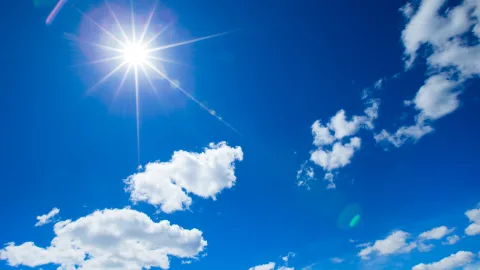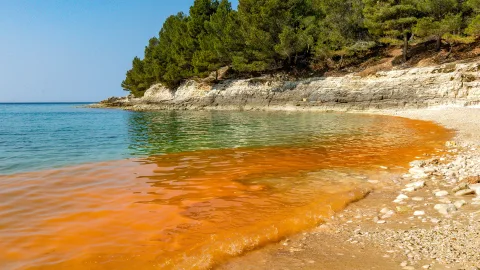
A tourist books a Maldives trip for June after reading forum posts about "rainy season," and braces for a week of nonstop downpour from inside a beach bungalow. In reality, morning greets them with sunshine, a brief afternoon shower passes within twenty minutes, and by dinnertime the beach is dry again, as if it never rained at all.
The phrase "rainy season" sounds scarier than actual Maldivian weather during this stretch. Tropical climate doesn't behave like central Russia's: rain here rarely turns into extended gray gloom, and low season often turns out to be a genuinely good time to travel — as long as you know what to actually expect from it.
How Seasons Work in the Maldives
Weather across the archipelago is governed by two alternating monsoons throughout the year. From roughly November–December through March–April, the northeast Iruvai monsoon blows — a dry season with clear skies, calm seas, and minimal rain. It's followed by the southwest Hulhangu monsoon, which is what people call the "rainy season."
There's no sharp calendar boundary between the two — the monsoon establishes itself gradually, usually by early May, and retreats just as gradually by late November. April and November count as transitional months, when any kind of weather can show up within a single week.
When to Actually Expect Rain
Technically, the Hulhangu season runs from May through November, but rainfall isn't evenly distributed across that window. A first small peak hits in May, as the monsoon settles in and brings the first noticeable downpours after the dry months. September and October are considered the rainiest, accounting for most of the season's total precipitation.
June and July stand out less for rain and more for wind: these are the months when the monsoon whips up the strongest surf, and the sea turns rougher more often. August frequently brings a short lull — a kind of localized velvet season within the low season, when both wind and rain ease up for a couple of weeks.
Is the Rain Really That Bad
The main difference between tropical rain and what you might be used to is its duration. Downpours here are short and intense, usually lasting no more than an hour, and almost always give way to sunshine again within the same day. A fully overcast day with not a single break in the clouds is rare, even during the peak rainy months.
The one thing that changes more noticeably than the rain itself is the sea: during Hulhangu season, it tends to be rougher, and underwater visibility at some reefs drops due to sediment stirred up by the swells.
For diving, this is worth factoring into your date selection, but for a standard beach vacation, it has almost no practical impact.
The Difference Between Northern and Southern Atolls
Seasonality in the Maldives isn't uniform across the whole archipelago. The southern atolls — Addu, for instance — sit closer to the equator and receive rain more evenly throughout the year, without a sharply defined dry period. Here, the contrast between seasons feels weaker, and rain is possible even during the technically dry Iruvai monsoon.
The northern atolls, including the resorts around Malé, follow the classic monsoon pattern, with a clearer contrast between dry and rainy seasons — the months described above apply specifically to this region.
What About the Waves
For one particular group of travelers, rainy season isn't a concern at all — it's the main reason to visit. The southwest monsoon generates more consistent and powerful swells, which is why surfers head to the Maldives specifically from April through October, when atolls like Thaa and the channels near Malé produce the best surfing conditions of the year.
Is It Worth Traveling in Low Season
The main practical upside of rainy season is price: accommodation costs at many resorts drop by nearly half compared to high season, and tourist numbers thin out noticeably.
If your priority is quiet, empty beaches, and budget, rather than a guaranteed, perfectly calm ocean surface, a May or August trip might actually work out better than a December one.
The one month genuinely worth avoiding is July, when storms hit most frequently, carrying a real risk of spending part of your beach vacation waiting out bad weather in your room. During the rest of low season, rain tends to be a passing moment in the day, not its defining feature.