Phuket takes a direct hit from the southwest monsoon, receiving twice the rainfall of Pattaya. But "worse" doesn't mean "unusable": two-thirds of tourists who've visited in summer say they'd come back.
Compare Phuket forums to reality, and the picture doesn't quite match up. Online: "it's rainy season, don't even think about going, the sea's a storm, everything's closed." On the ground: people sunbathing, eating pad Thai on the beach, filming the sunset on their phones. The truth, as usual, sits in between: rainy season on Phuket is real and noticeable, but it doesn't work the way people who've never been there imagine.
Why Phuket Gets Wetter Than the East Coast
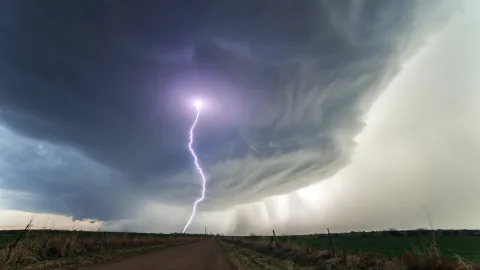
Phuket sits on Thailand's western coast, directly in the path of the southwest monsoon, which blows off the Indian Ocean from May through October. Moist ocean air slams into the island — and releases its moisture.
The eastern coast (Pattaya, Hua Hin) is shielded from that hit by the peninsula's landmass and receives half the rainfall.
The numbers confirm it: Phuket gets around 2,200–2,400 mm of rain a year, Pattaya gets 1,100–1,200 mm. The gap is exactly double, and most of Phuket's "allotment" falls specifically between May and October.
When It Starts and Ends
The monsoon arrives in Phuket in May — usually after Songkran (Thai New Year, April 13–15). The first showers are still irregular, with sunny days in between. By June, rain turns daily, and the sea on the west coast starts churning.
The peak falls in September–October: up to 300–400 mm of rain a month, 20–22 rainy days, and maximum waves along the western beaches. The season ends in November: by mid-month, the monsoon loses steam, rain becomes shorter, and by late November, dry season sets in.
What a Typical Rainy Day Looks Like
Mornings are usually sunny, allowing for comfortable sunbathing until noon. Clouds build in the afternoon. The downpour arrives abruptly — a wall of tropical water for one or two hours, sometimes less. By evening, the sky clears, the asphalt dries, and sunset brings sun again.
All-day rain does happen, but as the exception, two or three times a month, typically tied to a passing tropical weather system.
On the rest of the days, a downpour is an intermission, not the end of your beach day. Even in September, the wettest month, the island still gets 4–6 hours of sun daily.
The Real Problem Isn't the Rain — It's the Sea
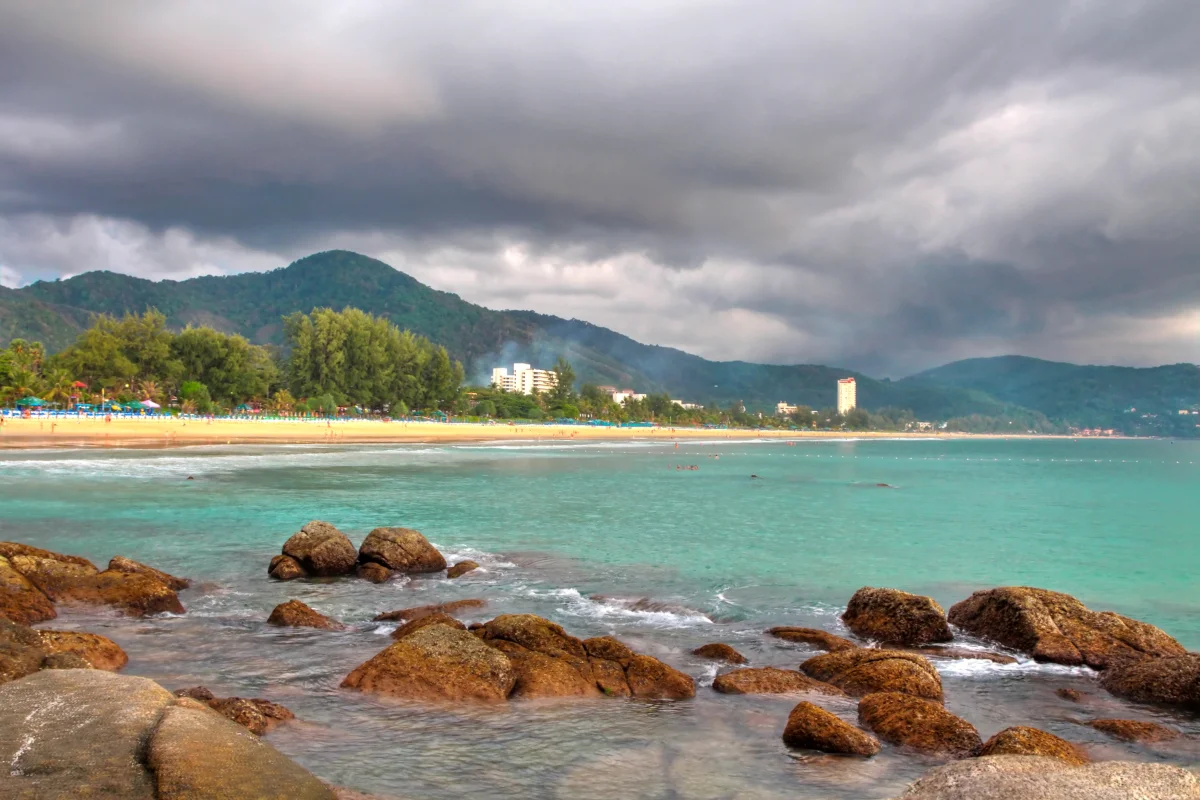
Here's what actually sets Phuket's wet season apart from Pattaya's: swimming here becomes genuinely dangerous. The southwest monsoon drives waves straight onto the western beaches — Patong, Karon, Kata, Nai Harn. Undercurrents strengthen, and red flags go up: swimming prohibited.
Every year, tourists who ignore the red flags drown on Phuket's beaches. Rip currents are invisible from the surface but can pull even a strong swimmer out to sea within seconds. During rainy season, lifeguards patrol the western beaches, and their instructions aren't a suggestion — they're a survival requirement.
The East Coast: A Quiet Alternative
What saves Phuket from being written off as "closed in summer" is this: the island's eastern coast faces away from the monsoon and stays sheltered from the waves. The beaches here are less dramatic — compact coves instead of wide sandy stretches — but the water stays calm even in September.
- Panwa is a quiet cape in the southeast, home to a handful of hotels with private beaches, calm water year-round. The main resort is Cape Panwa Hotel, with its own private bay.
- Chalong isn't really a beach — it's a bay-turned-marina, the departure point for boats heading to the islands. Swimming isn't the best choice here (shallow, muddy bottom), but for excursions, it's the perfect launch point.
- Rawai, the island's southern tip, is a fishing village with a seafood market. The beach itself is rocky, but its pier sends boats to Koh Racha and Coral Island, where the water stays clear and calm even during low season.
The Islands: Which Are Open, Which Aren't
Island excursions are Phuket's main draw beyond the beach itself. During rainy season, some close, others stay open.
Closed May through October: the Similan Islands and Surin Islands — national parks, access banned due to rough seas.
Open year-round: Koh Racha (Raya), Phi Phi, Coral Island. Boats run, but trips can get canceled in bad weather — the call gets made each morning based on sea conditions. Phi Phi during rainy season is a gamble: sometimes the sea's calm and the water clear, sometimes it's choppy and murky.
Who Should Deliberately Choose the Wet Season
- Surfers. Phuket's west coast from June through September is one of the best surf spots in Southeast Asia. The swell is consistent, surf schools run in full swing, and competitions happen specifically in summer. Kata Beach is the island's main surf spot.
- Budget travelers. Hotel prices drop 40–60%: a villa with a pool that costs 8,000 baht a night in winter runs 3,000–4,000 in summer. Flights get cheaper too.
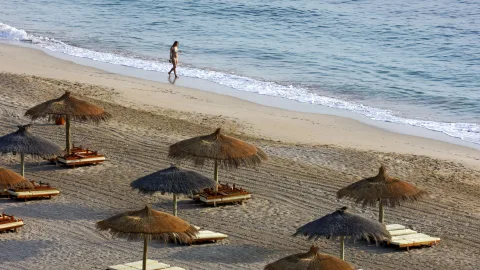
- Anyone who dislikes crowds. In winter, Patong Beach resembles an anthill. In summer, the beach is spacious enough to play volleyball between the lounge chairs.
Month by Month: A Quick Cheat Sheet
- May — transitional, rain appears but irregularly. The sea is still tolerable.
- June–July — daily rain, waves building, red flags on the western beaches.
- August — slightly drier than July, but the sea stays rough.
- September–October — the peak: maximum rainfall, maximum waves, minimum prices.
- November — the monsoon retreats, weather stabilizes by mid-month.
What Decides Whether to Go
If your main goal is calm, daily swimming on a wide beach, Phuket's wet season isn't for you. The western beaches are dangerous, the eastern ones are modest, and the weather is unpredictable. In that case, better to choose Pattaya, where the monsoon runs gentler, or wait until December.
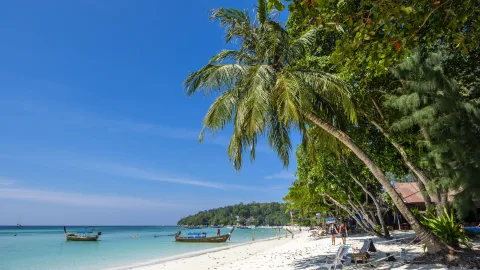
But if the goal is seeing Phuket cheaply, without crowds, with a willingness to accept rain and a flexible relationship with the beach — the wet season works. You wait out the downpour with a cup of coffee, and between showers, you get the same tropical sun, the same warm ocean, and the same Thai cuisine — at half the winter price.