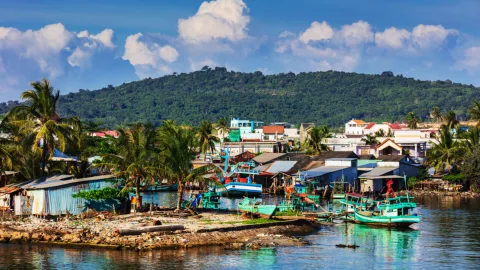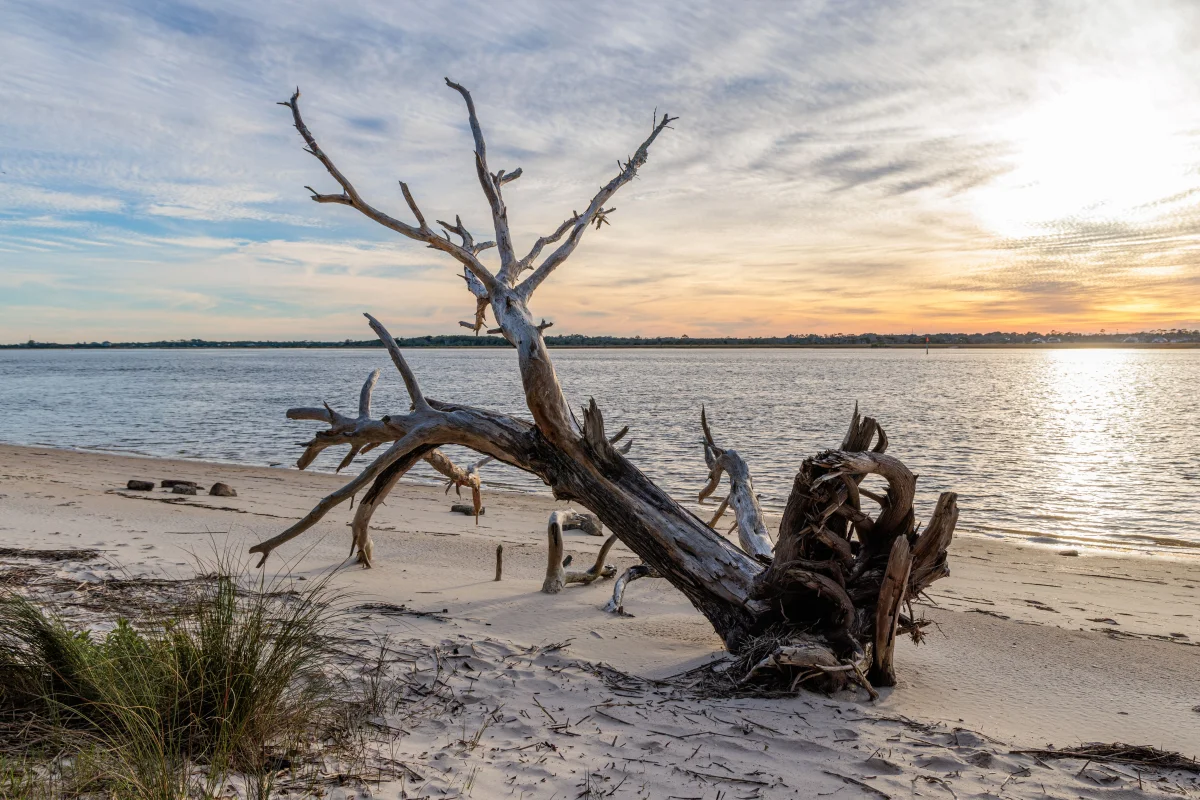
The Irtysh in Pavlodar is a temperamental river: even at the height of summer the water can stay cold due to releases from the Bukhtarma Reservoir, and in a good year the swimming season lasts just eight or nine weeks.
Pavlodar sits on the bank of one of Central Asia's largest rivers. The climate is sharply continental: winters plunge to –35°C, summers push past +35°C. You'd think that kind of heat would warm the river up fast.
But the Irtysh is no pond: a powerful current, cold tributaries, and artificial flow regulation make water temperature stubbornly unpredictable.
When the Season Opens
Officially, swimming season in Pavlodar Oblast starts in early June, but in practice it begins whenever the Irtysh warms to at least +20°C. In some years, that doesn't happen until mid to late June.
The reason for the delay is spring environmental releases from the Bukhtarma Reservoir upstream. Cold water is discharged into the Irtysh to sustain the floodplain ecosystem, and the river temperature near Pavlodar in early June can sit at +14–16°C — a range few people are willing to swim in.
Beaches open only after rescue teams have surveyed the bottom — clearing it of snags, glass, and metal — and installed buoys. In 2024, this happened later than usual: the water took a long time to return to its normal channel after flooding.
When the Irtysh Is Genuinely Warm
Comfortable swimming temperatures of +20–24°C typically settle in from the second half of June and hold through mid-August. The peak falls in late July through early August, when the water in nearshore areas can warm to +24–26°C.
But averages are deceptive. The Irtysh has a strong current, and temperatures vary noticeably from spot to spot:
- The Central Embankment — two equipped beaches. The current is noticeable and the water is cooler than in backwaters. Typical peak readings: +20–23°C.
- Usolka (an Irtysh oxbow lake) — two more beaches. The current is weak, the water is still, and it warms up faster and higher. On hot days it reaches +25–26°C. A more comfortable option for families with children.
- Wild beaches — there are dozens along the Irtysh. Water temperature is unpredictable, the bottom is unsurveyed, and there are no lifeguards. The vast majority of drowning incidents happen at unequipped spots.
Why the Irtysh Cools Down Earlier Than You'd Expect
The traditional benchmark is August 2 — Elijah's Day. After that date, nights grow colder and the water starts losing heat faster than it gains it. By mid-August, the Irtysh cools to +18–19°C; by month's end, to +15–16°C.
September in Pavlodar can be sunny and warm — air at +20–25°C — but the water is already +12–14°C. Swimming season is effectively over, even though you can still sunbathe on the bank.
The real window of comfortable swimming in the Irtysh runs from late June through the first ten days of August — roughly six to seven weeks. In a hot summer, up to eight or nine. In a cool one, it can shrink to as few as four or five.
What to Keep in Mind
The Irtysh is not a resort beach on the Black Sea. The river demands respect, and the statistics back that up: people drown in Pavlodar Oblast every year, and in the overwhelming majority of cases it happens at unequipped sites.
A few rules that are anything but a formality here:
- Swim only at equipped beaches. Pavlodar has four municipal ones — two on the embankment and two on Usolka. Signs with QR codes are posted at the beaches: scanning one reveals the depth, bottom conditions, and incident history for that location.
- Don't enter the water while intoxicated. It sounds obvious, but according to the Department of Emergency Situations, alcohol is a factor in nearly every drowning death.
- Don't swim alone, and don't go past the buoys. The Irtysh's current is treacherous — even near shore there can be underwater flows.
- Watch your children. Fines for leaving children unattended near the water aren't an empty threat: violators are actively identified, including with the help of drones.
Alternatives to the Irtysh
When the Irtysh hasn't warmed up yet or the water is murky after flooding, locals turn to lakes in the surrounding area. Shallow steppe lakes heat up far faster than the river — by June they can already be at +22–24°C while the Irtysh is still bracing. The downside: you need a car to get there, infrastructure is minimal, and there are no lifeguards.
For those who'd rather not take the risk, the city has outdoor pools and a water park — heated water, controlled safety, and zero dependence on the Irtysh's moods.