September is a rare month when you can get a summer vacation at autumn prices. Beaches thin out, the heat retreats, and the sea at many resorts is warmer than early summer.
Starting September 1, families with children fly back home, hotels drop prices, charters fly half-empty, and the coast finally becomes breathable. Meanwhile, water in the Mediterranean, Black, and Red seas still holds the warmth accumulated over three summer months.
The gap between August and the first weeks of September on the beach is minimal — but the price gap runs 30–40%. We've compiled destinations where September beats summer, from nearby Russian resorts to long-haul flights.
Turkey: Velvet Season in Its Purest Form
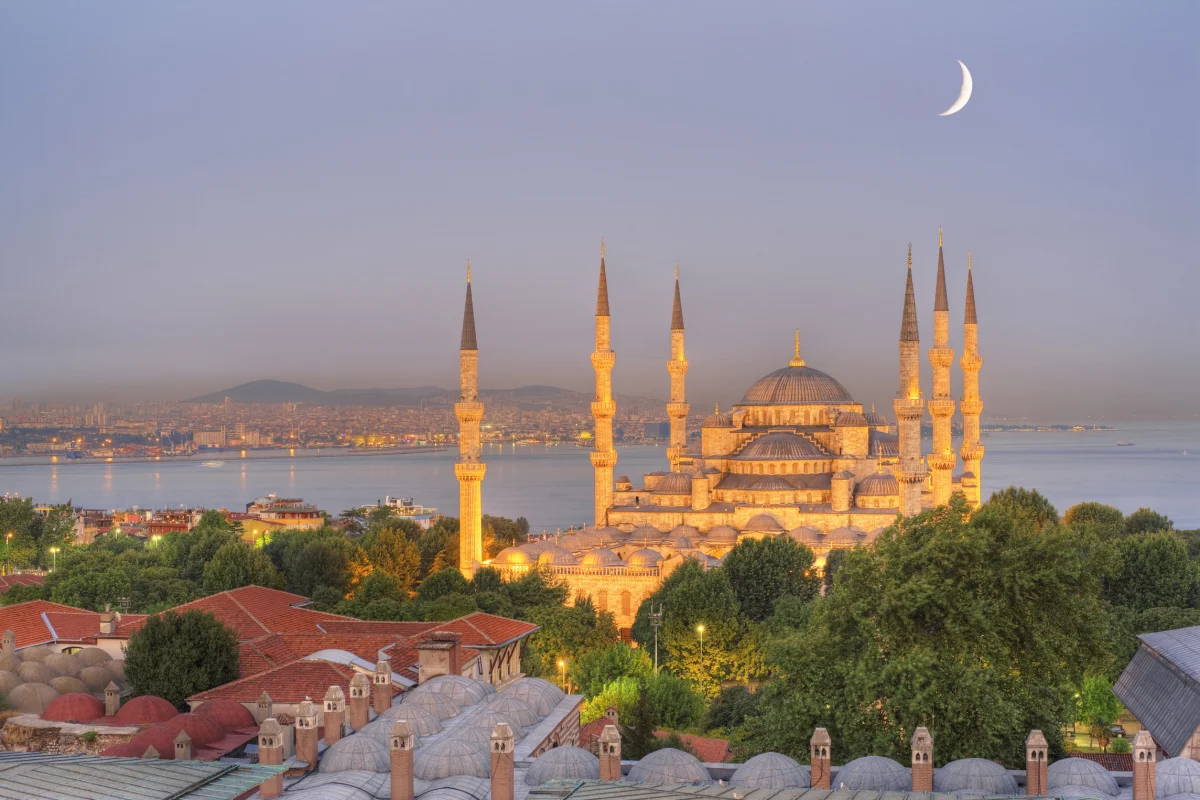
Turkey in September brings +28–31°C on the Mediterranean coast, water at +28°C (the year's comfort peak), and the all-inclusive format that's still going strong. The heat eases just enough to step outside the hotel during the day: visit ancient Side, stroll Antalya's Old Town, or reach the Lycian tombs in Fethiye.
Alanya — the southernmost major resort on Turkey's Mediterranean coast. In September, day and night temperatures nearly match: +29°C and +28°C. The swimming season here lasts longest — through late October.
The Aegean coast — Bodrum, Marmaris, Datça — runs a couple degrees cooler (air +26–28°C, water +24–26°C), but the atmosphere leans more European than assembly-line resort. Turquoise bays, yachts, ancient ruins. The Aegean season is shorter: by late September, the water cools noticeably.
A seven-night all-inclusive tour for two from Moscow at a four-star hotel in Alanya in September averaged 90,000–120,000 rubles — 20–30% cheaper than August's peak. No visa needed (up to 60 days), direct flight of 4–5 hours.
Egypt: Hot, but No Longer Deadly
Egypt in September suits those unbothered by heat. Hurghada air runs +33–35°C; Sharm el-Sheikh, +34–36°C. Sounds intimidating, but sea breeze and low humidity make it manageable — dry heat is easier to bear than humid +30°C somewhere in Thailand.
The sea sits at +27–28°C, coral reefs at their best, underwater visibility up to 30 meters. For divers and snorkelers, it's one of the best months: no winter wind, clear water, few jellyfish.
Hurghada suits beach vacations and families with children. Sharm el-Sheikh suits reefs and snorkeling. Marsa Alam and El Quseir suit those wanting diving without crowds and untouched reefs.
Dehydration is the main risk people forget about, thanks to skin-cooling wind. At least 2–3 liters of water daily, a sun hat, SPF 50. Excursions to Luxor and Cairo from Hurghada are best scheduled early morning — by noon, the ruins can literally bake you.
A seven-night all-inclusive tour from Moscow starts at 70,000–100,000 rubles for two. One of the most budget-friendly options for a September beach vacation. Visa on arrival — $30.
Georgia: Batumi and Kobuleti Without August's Heat
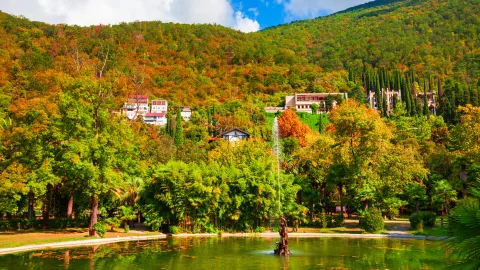
Georgia's coastline in September is an underrated option. Batumi air runs +24–27°C, Black Sea at +24–26°C in the first half of the month. The heat retreats, but the sun still warms, and — crucially — tourist numbers drop noticeably from August.
The first half of September is essentially a continuation of summer. By the second half, weather turns unstable: cloud cover, brief downpours, with prolonged rain possible by month's end. Best to plan beach time before September 15–20.
Kobuleti — a calmer alternative to Batumi, 40 km north. Quieter, cleaner, long pebble beaches, pine groves. Water at +23–25°C, gentle entry.
Georgia in September also pairs the beach nicely with gastronomy. Young wine season, markets full of figs and peaches, khinkali and khachapuri at prices Russia's long forgotten. A guided city tour of Batumi runs from €15; countryside hiking from €30.
Direct flights from Moscow to Tbilisi (5 hours by car to Batumi from there) and direct flights to Kutaisi (2.5 hours to the coast). Passport required, no visa needed (up to a year). Starting in 2026, medical insurance with coverage of $30,000 becomes mandatory.
Montenegro: The Adriatic at Its Best
Montenegro is a destination where September objectively beats July. Summer on the Budva Riviera brings +33–35°C, mugginess, beach lines, and peak prices. In September, air runs +26–28°C, the Adriatic sits at +24–25°C, and the coast finally belongs to you.
Budva — the center of resort life, restaurants, bars, an Old Town of narrow streets. Kotor — a fjord ringed by mountains, a UNESCO site; in September you can walk the fortress wall without heatstroke risk. Herceg Novi — the coast's greenest city, an open-air botanical garden.
Bonus: direct flights from Moscow to Tivat, no visa needed yet (up to 30 days), though note that starting November 1, 2026, entry will require one. Accommodation prices in September drop 25–35% from the summer peak.
Cyprus and Crete: Mediterranean Classics
Cyprus in September brings +30–32°C, sea at +27–28°C. The island is still hot, but evenings are already cooler, and strolling Paphos or Limassol becomes pleasant. Grape harvest season, the first wine festivals in the mountain villages of Troodos.
Crete runs a bit cooler: +27–29°C, water at +25–26°C. The southern coast (Matala, Plakias) is warmer than the north. September is the best time for Knossos Palace, the Samaria Gorge, and mountain villages — without the summer crowds and without cooking on the trail.
Sochi and Abkhazia: As Close as It Gets
For anyone who'd rather not pull out a passport, Sochi in September is a proven bet. Air runs +25–28°C, the Black Sea at +24–25°C (warmer than June!). We've already covered why September in Sochi beats early summer: no upwelling, lower prices, the freshest fruit at the markets, and empty mountain trails.
Abkhazia is even warmer thanks to its microclimate: air at +26–29°C, water at +24–26°C, with prices 30–40% below Sochi's. Getting there means driving through the Psou checkpoint (crossing in September takes 30–40 minutes versus summer's two hours) or taking a bus from Adler.
Where Not to Go in September
Not every warm destination performs well in early autumn. A few traps:
- UAE — still +38–40°C with 80–85% humidity in September. This isn't velvet season — it's the tail end of a summer even locals flee. Better to go from November.
- Thailand (Phuket, Krabi) — peak southwest monsoon. Waves up to 3–4 meters, red flags on beaches, rainfall up to 400 mm per month. Samui is still tolerable, but risky.
- Bali — dry season ending, rains beginning. Surfing is possible; beach vacations are borderline.
- Maldives — southwest monsoon, rain, murky water. Best time: winter months.
How to Save on a September Vacation
September is one of the most cost-effective travel months, but savings don't happen automatically.
The first week (September 1–7) is still pricey — resorts retain "stragglers" from summer tourism, charters run full. The real price shift hits after September 10–15. The second half of the month runs 10–20% cheaper than the first, with nearly identical weather.
Book 1.5–2 months ahead. Last-minute deals do exist in September, but relying on them is a gamble. Early booking consistently delivers 15–20% savings.
Fly on weekdays. A Tuesday–Wednesday ticket can cost 20–30% less than a Friday flight. For anyone not tied to weekends, it's the simplest way to cut the bill.
Insurance. Don't skimp on it, especially in countries with paid healthcare. A policy with $30,000–50,000 coverage costs 1,500–3,000 rubles for two for a week and pays for itself with a single doctor's visit.
A September vacation isn't a compromise or a consolation prize for those who missed summer. At most destinations, it's objectively the best time for a beach vacation: same water, gentler sun, fewer crowds, lower prices. You just need to pick the right shore.