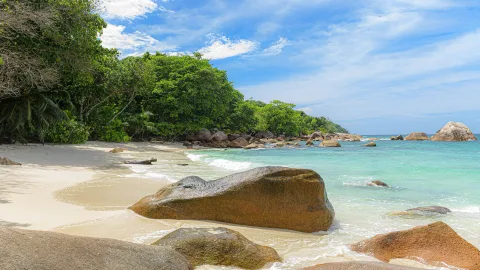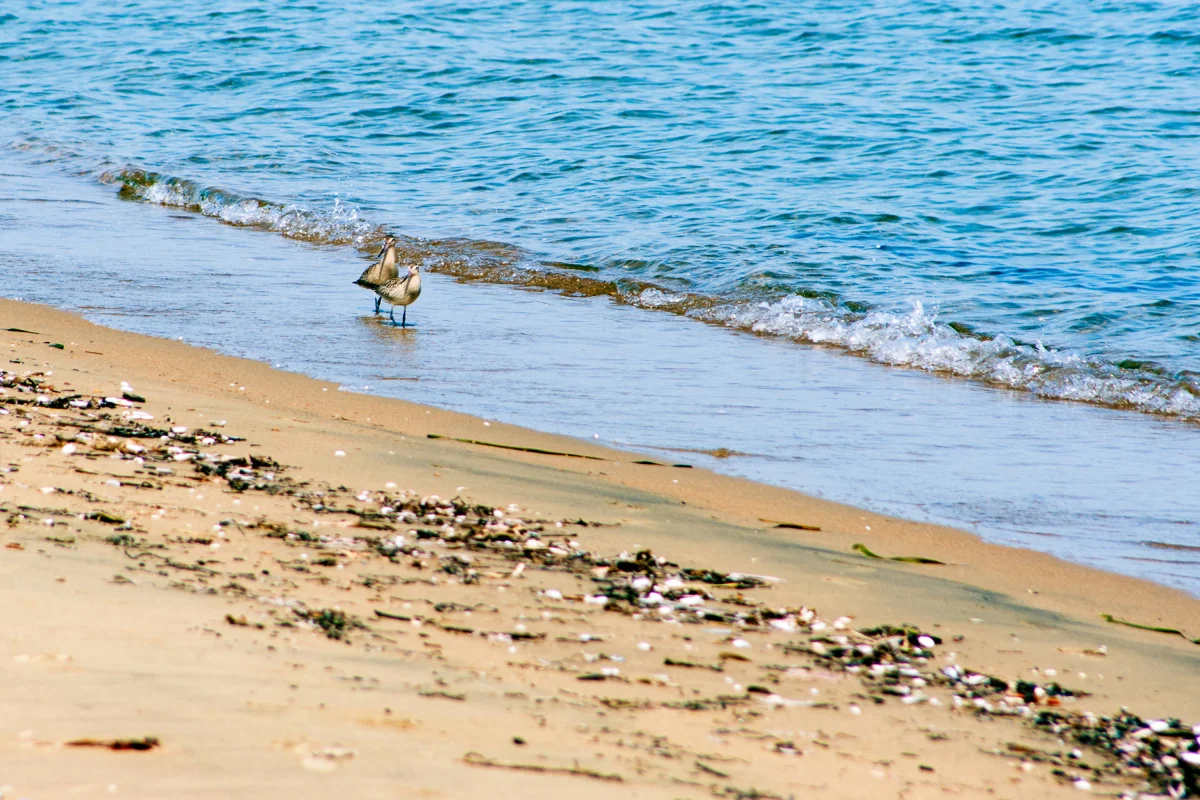
Vladivostok sits on the shore of the Sea of Japan, and most residents of western Russia forget this entirely. Yet in August, the water here warms to +22–25°C, beaches with turquoise water look like something out of Southeast Asia, and the scenery resembles nothing you'll find on the Black Sea.
The comfortable swimming season in Vladivostok lasts roughly six weeks — from mid-July through late August. The rest of the time, the sea is either too cold or already cooling down. Hitting the right window is half the battle.
Why Summer Arrives So Late
June in Vladivostok is not summer in the usual sense. Air temperature sits at +15–18°C, fog rolls in from the sea, and the sky stays overcast. Water is +10–14°C — swimming is out of the question. The city is wrapped in thick fog that locals call "milk": visibility drops to a few dozen meters, and bridges dissolve into a white veil.
The culprit is the cold Primorye Current, which carries water southward along the coast. In June it still dominates, and even bright sunshine can't warm the surface layer.
By mid-July, the current weakens, the monsoon shifts to a southerly direction, and warm humid air moves in. The water starts heating up rapidly — in two to three weeks, temperatures climb from +16 to +22°C.
When to Swim
The real swimming season runs from mid-July through late August, sometimes stretching into the first ten days of September.
- July
The second half marks the season's start. Water +18–22°C, air +22–27°C. The fogs retreat, sunshine increases. Swimming is possible, but the water still has a bite — comfortable for those used to the Baltic or Ural lakes.
- August
The best month. Bay water reaches +22–25°C, shallow inlets up to +26°C. Air +24–30°C, with more sunny days than July. This is when the city transforms into a beach resort: promenades fill up, and at Shamora you can't find a spot to lay your towel.
- September
The first half still works. Water +20–22°C, air +20–24°C. Typhoons recede, skies clear, the sea is calm. Many locals consider early September the finest window — warm, windless, and far fewer people on the beaches.
Where to Swim
There are dozens of beaches in and around Vladivostok, from equipped city strands to wild coves reachable only by off-road vehicle.
Shamora (Lazurnaya Bay) — the main city beach. Sandy, wide, with a gentle slope into the water. Cafés, rides, loungers, SUP board rentals. In August it's packed, and parking is a nightmare. Best to arrive early morning or on a weekday.
Glass Beach — a famous stretch where instead of ordinary pebbles, the shore is covered in sea-tumbled pieces of glass and porcelain. Swimming is fine, but there's zero infrastructure — it's a wild beach. Beautiful for photos, but the stones are sharp.
Russky Island. The bays of Akhlestysheva, Boyarin, and Voevoda offer pristine water, rocky shores, and almost no people. Infrastructure is virtually nonexistent, and some bays require a 4x4 to reach. But the feeling is like being in a different country.
Triozerie Bay (near Nakhodka, 200 km from Vladivostok) — regularly ranks among Russia's most beautiful beaches. Turquoise water, white sand, forested hills all around. The road is rough, but those who make it have no regrets.
Popov Island — reachable by a one-hour ferry from Vladivostok. Quiet bays, transparent water, starfish visible near the shore. A great option for a day trip.
What Tourists From Western Russia Don't Expect
- Jellyfish
In August, large jellyfish move toward the Primorye coast — rhizostomes and moon jellies. The former sting painfully, the latter are essentially harmless. In some years there are so many that swimming turns into a slalom course.
- Typhoons
August and September catch the tail end of the Pacific typhoon season. By the time they reach Vladivostok, hurricanes have weakened, but heavy rain, big waves, and canceled ferries are real possibilities. It's typically one or two episodes per summer, but they can wipe out several days.
- Humidity
August is the most humid month. The air is heavy, sticky, and clothes refuse to dry. At +28°C with 85% humidity, it feels like +35°C. For anyone accustomed to the dry heat of Crimea or Anapa, it's an adjustment.
- The Flight
From Moscow it's 8–8.5 hours, with a 7-hour time difference. Acclimatization takes a couple of days. A round-trip ticket in August runs 25,000 to 45,000 rubles. This isn't a budget destination.
Why It's Still Worth Going
Vladivostok shatters every preconception about beach vacations in Russia. There are no loungers for 500 rubles and no all-inclusive packages — but there are wild coves with turquoise water, sea urchins on the rocks, crab and scallop at the market, Asian cuisine in the city, and the Golden Bridge glowing in the sunset.
For anyone who's covered the Black Sea coast and wants to see a different Russia, Vladivostok in August is one of the most powerful experiences available. The key is hitting the right six weeks.