Dolphin
This carefree marine mammal does not need to sleep. At least not for long or fully. Newborn dolphins do not sleep at all during the first month of their lives. The reason for this is simple: they have to surface for air every 3–30 seconds. Trying to nap between these bursts would take the term «microsleep» to a whole new level. During this period, their mothers also stay alert to keep watch over their precious offspring. Incidentally, the same behavior is observed in orcas.

Even when dolphins reach adulthood, they do not sleep – at least not the way we are used to doing it. These mammals practice unihemispheric sleep. Since they have to consciously regulate their breathing, one half of the dolphin's brain stays awake at all times while the other half rests. Thanks to periodic alternation, an adequate sleep schedule is maintained, never lapsing into complete unconsciousness.
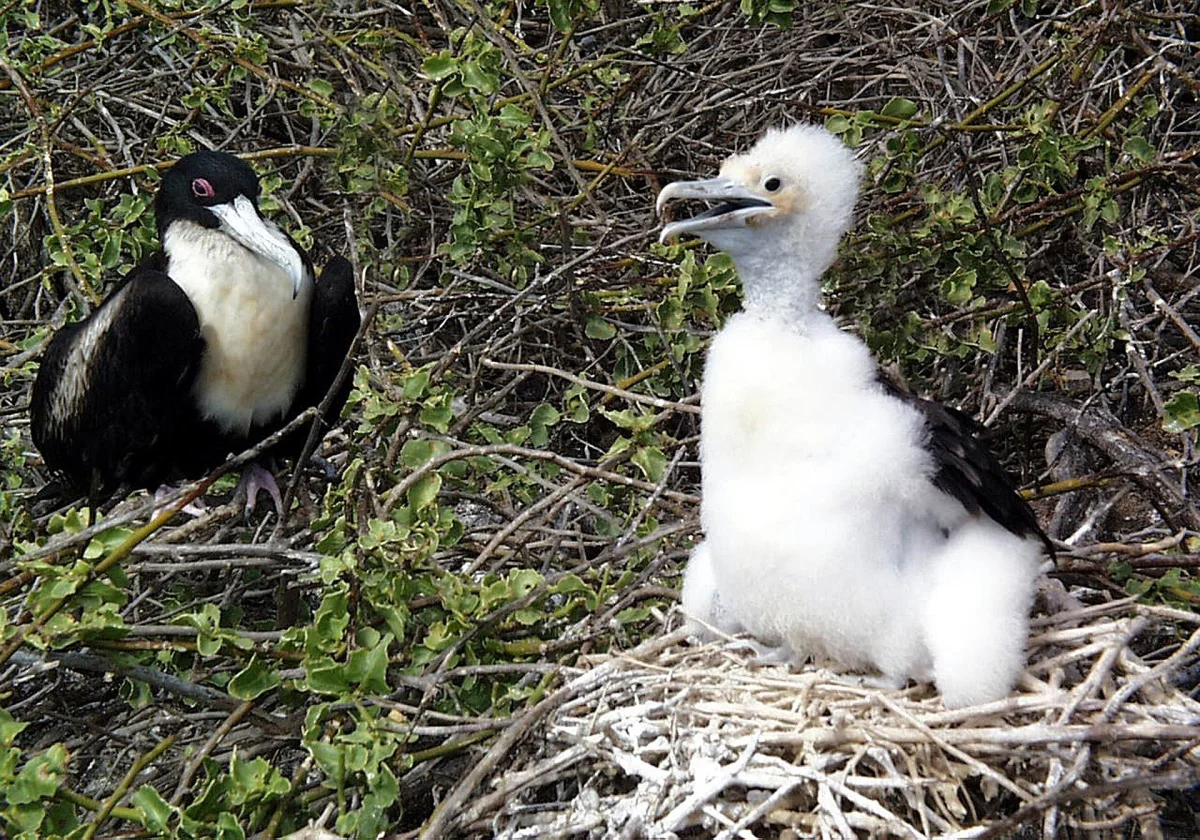
Great frigatebird
This bird, too, sleeps only halfway. Researchers were able to attach small devices that measured brain activity, and found that during long transoceanic flights these birds rested only one hemisphere of the brain and slept on average only 42 minutes.
Fruit fly

Some insects sleep for a very short time. For example, during one study it was found that a certain percentage of female fruit flies sleep on average 72 minutes a day, and one specimen slept just 4 minutes a day. Unlike other laboratory experiments involving sleep deprivation, these flies did not experience any harmful effects and lived just as long as the control group.
How the human biological clock works, and how to set it properly
Jellyfish
It used to be thought that animals without a central nervous system, such as jellyfish, either did not need sleep or were incapable of sleeping. However, it has been shown that at night jellyfish enter a sleep-like state. Their pulsation and response to basic stimuli noticeably decreased for a long time, which nevertheless created the appearance of sleep. They did not, of course, enter the same deep trance as humans and other mammals, but some mental and physical recharge does seem to take place in them.
Bullfrog
.jpg)
One experiment seemed to show that bullfrogs do not sleep, since they constantly respond to stimuli in the same way. It was later found that they do enter intermittent moments of rest, but never fall into a full sleep. Be that as it may, these observations cover only their active months. Bullfrogs fall completely asleep during the hibernation season.
A Perm woman grew a banana tree in her own apartment: photos