For many centuries, birds and the weather have been inseparably linked in people's desire to peer into the near future: to predict an early spring or a harsh winter, to forecast the harvest or to prepare properly for planting crops. Many of the bird omens our ancestors believed in are still relevant today. For example, no one doubts anymore that if a sparrow takes a «mud bath,» rain is on the way. Bad weather is also expected when swallows fly low. And if the rooks have arrived, spring is near. The Russian artist Alexei Savrasov even painted a picture about this. Which birds predict the weather – read in our article.
Omens about city birds
Unlike country dwellers, city dwellers have learned to recognize the habits of the feathered creatures that surround them outside their windows or in the parks. The closest to people, almost tame, are pigeons and sparrows. And it is precisely these birds that appear most often in bird omens.

Photo: Svetlana Vozmilova/Global Look Press
Sparrows bathing in puddles foretells warm weather. If in autumn sparrows tuck their beaks under their wings, the first frosts can be expected. And if they are not seen at all, having hidden away, it will be frosty and snowy. Warming in winter should be expected when they start chirping loudly again. The long-awaited twittering of these little birds during bad weather meant that warmer days were near.
You can put together a short-term weather forecast based on the mood of these little feathered creatures. On a clear, fine day they will be active and cheerful, but before bad weather they will gather in flocks on the ground, become sluggish and possibly fluff up their feathers. If sparrows huddle under the eaves of roofs, you should expect the wind to pick up.

Photo: Svetlana Vozmilova/Global Look Press
Other folk bird omens are connected with pigeons. Since ancient times they have been considered a symbol of peace, love and goodness. As a rule, all omens about pigeons are positive in nature. If the gray-winged birds splash about in a puddle, it means it will be warm and sunny; if they coo loudly, the day will be clear and dry; and if they have hidden away, the weather will turn bad.
Crows and jackdaws in omens foretold unpleasant news. People believed that if a flock of crows circles over a roof, misfortune will come to the house, and if a bird flies over a person, he will fall ill. In weather omens, crows also mostly foretell only foul weather. A storm, downpour or hurricane was expected in the case of a large gathering of crows near a pond or lake. If a crow caws and keeps its beak constantly open, it means rain is coming. In warm weather a cawing crow means rain, and in winter it means snow.

Photo: Patrick Pleul/dpa
Swallows, too, have been observed since ancient times. This is perhaps the most widespread omen of our time: if swallows circle high in the sky, it will be warm, and if low, it will rain. A change in the weather can also be told by where a swallow places its nest. There will be a cold snap and a downpour if the nest is at the bottom of a tree, but if it is closer to the top, the weather will be pleasant.

Photo: Wirestock/Freepik
What do birds that fly into a house foretell? This question has always troubled people since time immemorial. As a rule, a feathered guest in the house instilled fear in people, since it foretold only misfortune. But the prediction depends more on the type of bird that flew through the window. Pigeons, tits and swallows brought good news, while nothing good was expected from a crow, jackdaw or owl. But there is no need to dwell on this omen. It is better to simply open the windows and wait until the uninvited guest flies away. And as the saying goes, the omens that come true are the ones you believe in.
Omens about domestic birds

Photo: Ilya Galakhov/Global Look Press
In the old days, omens about the birds living in the yard took root. People observed their behavior almost around the clock – no wonder beliefs connected with hens appeared.
Omens about domestic hens
It was believed that roosters protect the house from evil spirits and unclean forces. Its crowing at dawn announced to the household that dark forces no longer threatened the people. But if the rooster's crow was not heard at the proper hour – expect important news.
At Maslenitsa, people told fortunes using roosters: they would throw a whole pancake at one. And it would be better if it did not eat the whole thing – then the year would be good and successful. But if the pancake was eaten down to the last crumb – misfortune could not be avoided.
And of course, the behavior of domestic birds was used to learn about upcoming changes in the weather. Bad weather was expected if the yard birds began to preen themselves. An unexpected crowing of the rooster during the day foretold rain. But if the cockerel began to crow on a rainy morning, the weather would, on the contrary, clear up.

Photo: Julian Stratenschulte/dpa
People expected a mild winter if a hen's molt began in early autumn. A drought was expected if hens drank too much water, and prolonged rains if they went to roost early. In winter, when the rooster began to wake the sun earlier, a thaw was expected. But before frosts, the domestic birds retreat into the coop early and settle higher up – where it is warmer.
Omens about geese and ducks
People also paid attention to geese. If they tuck their beaks under their wings, there will be frost with a blizzard. But when, during bad weather, they begin to flap their wings and cackle, there will be a thaw.
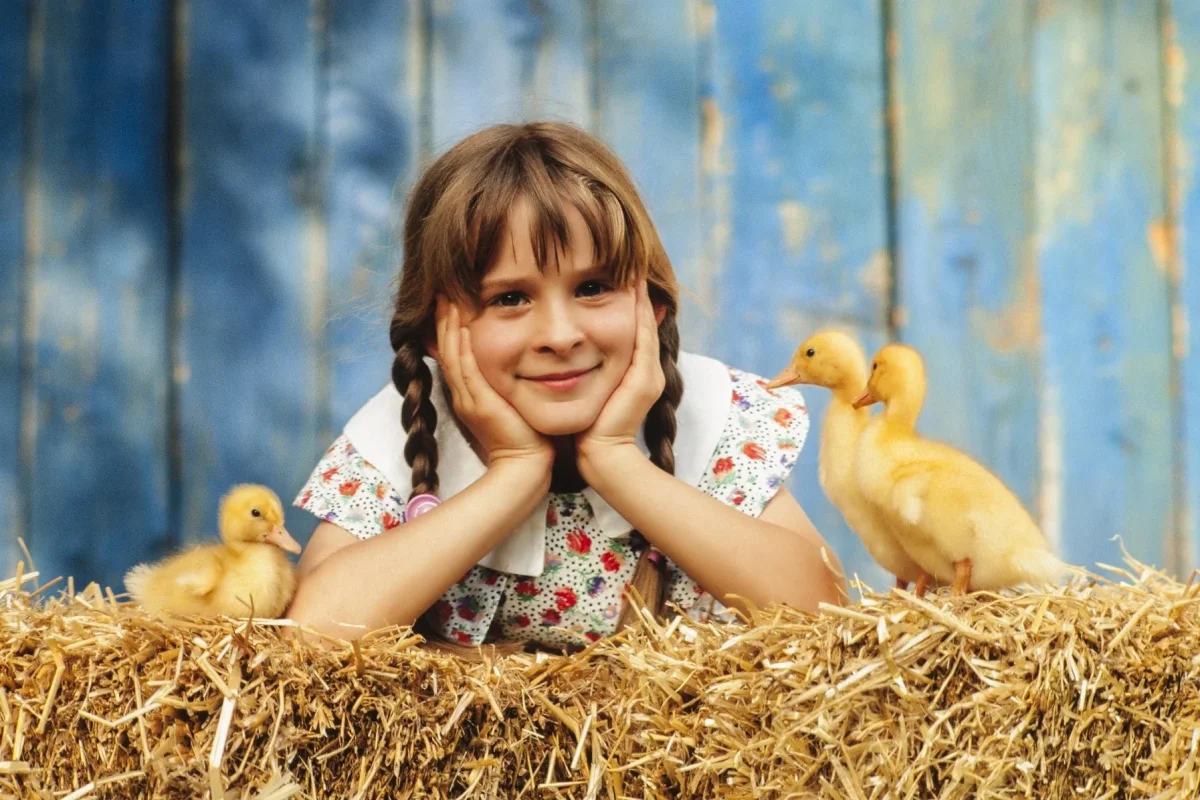
Ducks, tucking their heads under a wing, also predicted frost. If during the day they behave as quiet as mice, this foretold rain with a thunderstorm. If, on the contrary, they quack unusually loudly – there will simply be a heavy downpour.
But it was not only weather omens that were connected with the behavior of domestic birds. If someone was startled by the sharp and unexpected quacking of a duck nearby – this means wealth. And if a duck suddenly ran across the road – you need to be more careful with money, losses are likely. To meet a duck with ducklings on the road means good news, a positive addition: in money, in the family.
Omens were even connected with duck eggs: if they suddenly changed color, and the shell turned brown – expect serious misfortune in the house.
Folk omens about wild birds

Photo: Thomas Warnack/dpa
Some omens say that wild birds circling overhead are harbingers of some misfortune, but this is not always the case. The eagle, for example, was considered a harbinger of a successful undertaking. A flock of forest birds flying toward a person also foretells well-being and good fortune.
To hear the song of a nightingale while pondering an important question is a good sign, meaning the matter will be a success.
The hooting of an owl near the house also carries a positive prediction: a wedding or the birth of a child is expected in the family.
Nature and the weather
Wild birds were also observed to predict the weather. If the cuckoo began to call – you could go mushroom picking. If this bird called for a long time, a warming was expected.
Observation of wild geese showed: a warming would come if a goose cackled in winter, and a cold snap if it tucked up its legs and hid its beak under a wing.

Photo: Komsomolskaya Pravda/Global Look Press
A harbinger of a storm was when, the day before, wild ducks hid in the reed thickets or even on the bank, where it was easier for them to shelter from the wind. A drawn-out off-season was foretold by plump wild ducks returning in spring.
Spring omens
A special role in folk omens in Russia was always given to cranes. The call of this bird meant farewell to summer and the onset of autumn. And if in spring you saw a wedge of cranes in the sky, it foretold a good harvest and prosperity. And whenever a flock of cranes was encountered, only good news and well-being were expected from them.
After the arrival of the rooks, people knew that the snow would melt within a month. If these migratory birds settled into their old nesting sites, the spring season would be pleasant.

Photo: Moritz Wolf/imagebroker.com
Birds and the weather
The most widespread in folk interpretations are the omens about birds and the weather. It is believed that representatives of the animal world, including birds, sense changes in the weather long before humans do. They can predict in advance the approach of rain or snow, warmth or cold, bad weather or drought. So our ancestors learned to observe these natural forecasters. That is how folk bird omens came about.
If birds splash about in puddles, the weather will soon be pleasant and clear, but if they bathe in dust, a cold snap and precipitation are coming.

Photo: Lilly/imagebroker.com
Swallows flying close to the ground means rain, but if they fly high in the sky, the weather will be good.
People learned to predict precipitation even by where birds build their nests in a tree: if high up, it will be warm and windless, but if low, the weather will worsen.
If swallows begin to return early from the south, it will soon be warmer and there will be a good summer harvest.
The behavior of birds is used to judge both the weather and the change of seasons. Roosters begin to crow earlier, which means a thaw is near. Spring is summoned by bullfinches chirping under the windows. Its imminent arrival is announced by the arrival of rooks and the appearance of the white wagtail. If migratory birds appear earlier, then spring will come sooner too. But if a flock of tits takes a liking to the trees near people's homes, then spring will drag on and be cold.
There are also plenty of omens about summer. It was expected to be cold if birds built their nests where there was more sun. If the nightingale began to sing before the cuckoo, a wonderful and bountiful summer was expected.

Photo: Paul Zinken/dpa
Signs of clear weather
Nothing brings more joy than a clear, fine day. The onset of warmth is announced by:
- larks strolling across the field, and their singing,
- swallows and swifts flying high in the sky,
- the chirping, cooing and playful mood of birds,
- birds walking on the ground,
- sparrows and pigeons bathing in puddles,
- the calling of the cuckoo,
- the tapping of the woodpecker,
- the high flight of cranes in autumn,
- birds sitting on the tops of trees,
- nightingales singing all night long,
- gulls settling on the water.

Photo: Konstantin Kokoshkin/Global Look Press
Signs of a cold snap
The approach of cold or frost will be revealed by the following bird signs:
- the whistle of a bullfinch,
- the cry of an owl,
- the departure of a chaffinch,
- the squeak of a tit,
- birds taking shelter under the roofs of houses,
- sparrows gathering down and feathers,
- a flock of kites circling and crying,
- a nightingale singing several evenings in a row,
- a hen flying around the coop.

Photo: Jonas Güttler/dpa
Signs of snow
It will snow if:
- sparrows have fallen quiet on trees and roofs,
- flocks of crows are circling,
- jackdaws gather in a flock in wintertime and caw loudly,
- a magpie flies near people and hides under a roof,
- partridges and black grouse move in winter from the open spaces deeper into the forest,
- a woodpecker taps on a tree trunk in winter.

Photo: Konstantin Kokoshkin/Global Look Press
Signs of rain
If you notice one of these omens, don't forget your umbrella:
- birds floundering in the roadside dust,
- rooks gathering in flocks, flying up high and then plunging headlong toward the ground,
- crows flying and cawing,
- in the middle of summer, swifts suddenly vanish from the city,
- cranes flying low and fast, making no sound,
- a capercaillie falling silent,
- a thrush crying sharply,
- an oriole emitting a piercing cry,
- the frantic cry of jackdaws in dry weather,
- larks sitting fluffed up,
- a little owl crying at night.
When it comes to predictions based on omens, one should not rely on birds alone. After all, there is a belief that what comes true in reality is what you believe in most. Therefore it is better to fix in your mind the positive omens, which promise a person well-being, success, pleasant news and a good mood.