A bloodthirsty hunter
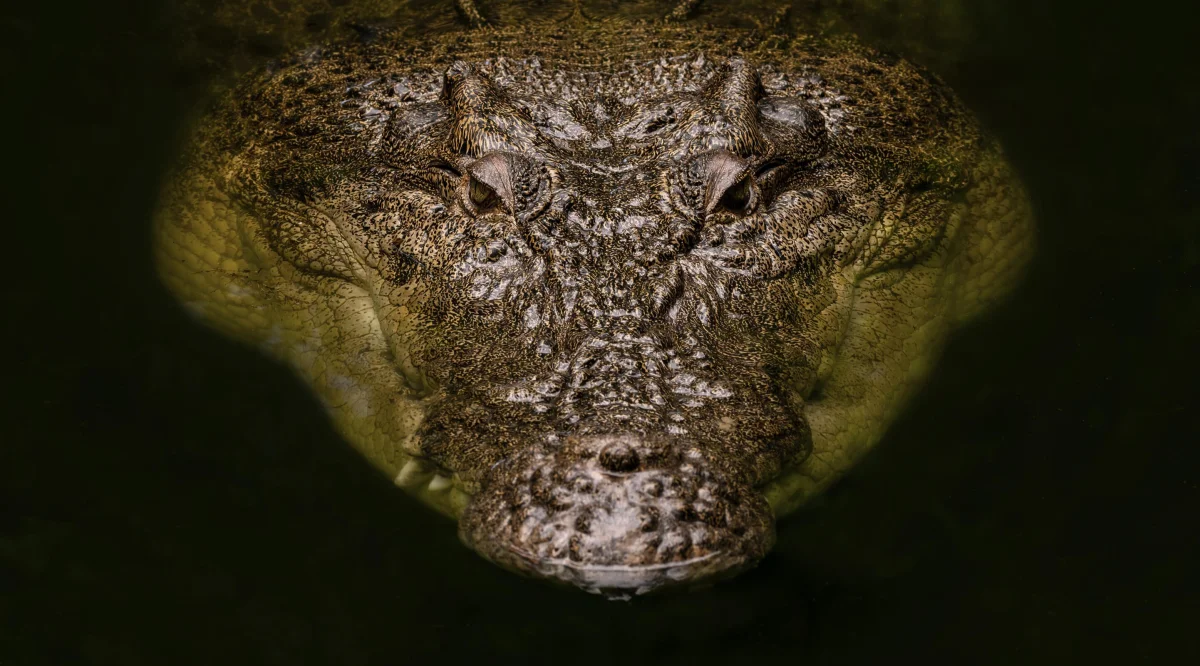
At the beginning of the 21st century, the people of Burundi – a small African country often shaken by civil wars – feared another problem more than fire. On the banks of the Ruzizi River – the breadwinner of the local population – an enormous Nile crocodile held sway. The 8-meter-long, powerful beast, with two rows of sharp teeth and a tail capable of knocking off its feet any animal that came to drink, suddenly switched to human flesh. The crocodile attacked children, women, fishermen, and hunters, leaving none of its victims any chance of escape. It was incredibly cunning and could lie in ambush even on the shore, among the dense thickets of reeds.
The crocodile cannibal’s ill fame quickly spread across all of Africa. The bloodthirsty and merciless reptile already had several hundred dead and devoured locals to its name. Moreover, the crocodile often left its victims torn apart, as if boasting to people that it could carry out its dark deeds with impunity.
It was impossible to find a way to deal with it

The unfortunate and frightened people of Burundi even turned to local sorcerers for help. And the shamans gave a vague answer: that someday the beast would have its fill of human lives and cease its evil deeds. They said that this answer had been suggested to the African sorcerers by the spirits of the Ruzizi River.
Rumors of the mysterious beast, whose appetite grew with each passing day, reached the famous French hunter Patrice Faye. And right there on the spot, following the trail of the killings, he became convinced that a bloodthirsty and elusive monster did indeed dwell in the river’s waters. Thanks to the Frenchman, the Nile crocodile of impressive size acquired the nickname «bulletproof Gustave».
Bullets could not pierce its hide
.jpg)
It should be said that hunters encountered the crocodile more than once. And it would seem the bullets should have riddled the reptile’s body. But the well-aimed shots left only scars, by which Gustave could now be recognized.
Patrice Faye, rolling up his sleeves and calling on his vast experience, together with daredevils from among the locals, began to track down the crocodile cannibal. Traps, snares – everything was put to use, and deep down the famous French hunter hoped for success. Of course, he was consumed by the tempting thought of capturing the bloodthirsty monster. And then putting on a spectacular show that would attract not only zoologists but also countless ordinary people. After all, everyone would want to see the living legend of the Ruzizi River – «bulletproof Gustave».
To Patrice Faye’s utter astonishment, the crocodile cannibal deftly escaped from every trap. Gustave possessed an incredible instinct for danger that saved him in any situation. According to some scientists, the Nile reptile began attacking people not out of choice. Because of its enormous size, the crocodile had lost its former agility. And humans, who move more slowly than wild animals, involuntarily became a constant prey for «bulletproof Gustave».
Where is Gustave now?
.jpg)
In 2007, director Michael Katleman’s horror film «Primeval» was released. The story of the famous reptile served as the screenplay for the picture. Seven years later, Patrice Faye made a documentary film, «Capturing the Killer Croc». Despite the resounding title, «bulletproof Gustave» once again slipped away from the prominent scientists and hunters. However, the attacks on people did stop. Later there were rumors that Gustave had turned up in the waters of Lake Tanganyika. The Nile crocodile was given away by the conspicuous scars on its body. In other words, Gustave is still alive!