1. Orchids
Most tropical orchids are epiphytes, meaning they grow on other plants rather than in soil. But orchids and other epiphytes are not parasites; their roots are covered with a soft membrane that absorbs water from the atmosphere. Many orchids easily grow on a piece of bark altogether, once their roots have taken hold.
.jpg)
2. Tillandsias
Air plants, members of the genus Tillandsia, grow in the air rather than in soil. There are more than 650 varieties, displaying an enormous diversity of foliage types and vivid flowers. Tillandsia leaves grow in the shape of a rosette, helping the plant collect water and nutrients from its surroundings. Tillandsias are usually placed in decorative containers.
3. Spanish moss
With its hanging gray-green shoots, Spanish moss evokes summer days and the romance of southern climates. It often grows on trees, absorbing water and nutrients from the atmosphere, but with proper care it can also grow indoors.
To grow Spanish moss at home, mist it with water at least twice a week and fertilize it every two weeks with a liquid fertilizer high in phosphorus.
Any Spanish moss collected in the wild will be infested with tiny insects, so if you want to grow it indoors, buy plants from a trusted supplier.

4. Marimo moss ball (Aegagropila linnaei)
These green balls are spherical algae. They can be grown in an aquarium with fish, or separately, in a jar of water. To grow marimo balls, simply keep them in low, indirect sunlight and change the water every couple of weeks.
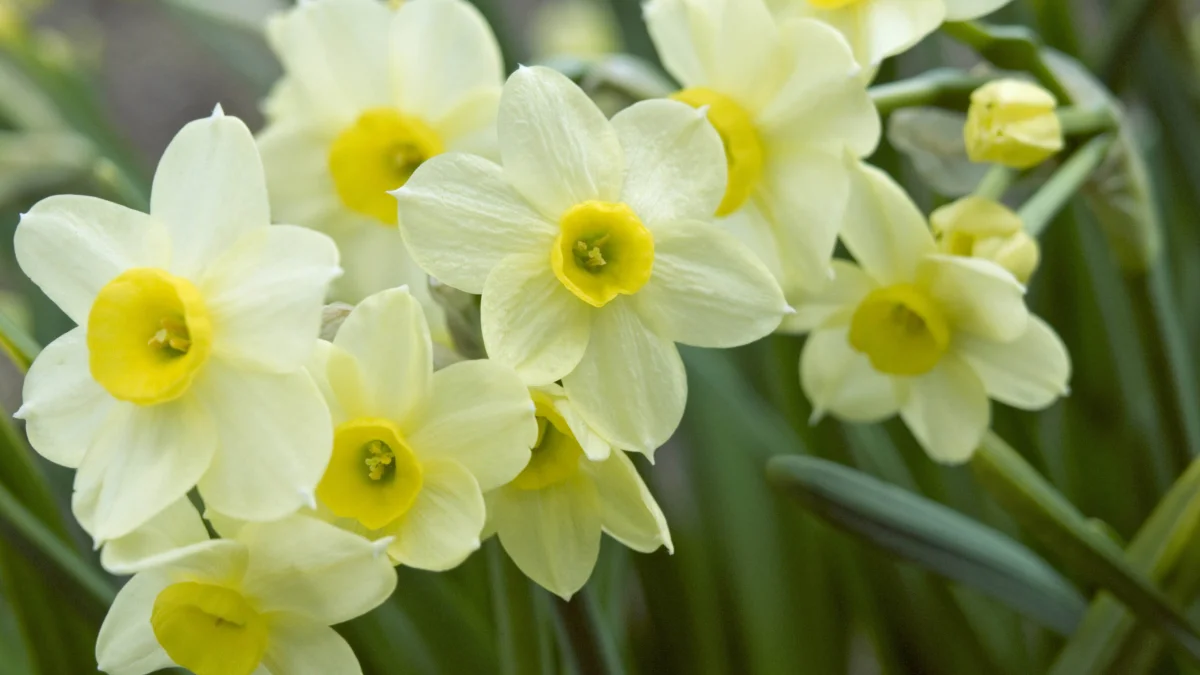
5. Paperwhite narcissus (tazetta)
This is a variety of daffodil that can be grown indoors from bulbs in winter. The fragrant plants can grow without soil, in water and pebbles alone.
6. Aechmea
Aechmea, a member of the bromeliad family, is often sold at nurseries in decorative containers. The plants can grow in a small amount of soil, but in the wild they are non-parasitic colonizers, with their roots attached to a host plant. Aechmea thrives both in light and in shade.

7. Schlumbergera (Christmas cactus)
This plant got its name for its festive, bright appearance. Christmas cacti can grow year-round in a vase of plain water. To get them to root, use a sharp, clean knife to cut a Y-shaped piece from the tip of a stem, ideally with two or three jointed segments. Let the cutting dry for a few hours, then place the lower part in water and set it in a spot with indirect light. Change the water for the Christmas cacti about once a week, and after a few weeks you will see new roots forming.
8. Amaryllis
Amaryllis plants have showy trumpet-shaped flowers that can be red, white, orange, or pink. They usually bloom in late winter or early spring.
To plant this beauty, fill a vessel about three-quarters full with gravel or decorative stones. Trim the dry brown roots off the amaryllis bulb and place it upside down in the gravel, leaving the top third exposed. Then add water to about 2–3 cm and set the vessel on a sunny window, changing the water about once a week.
9. Baby’s tears (Soleirolia soleirolii)
This plant forms a mat of tiny round leaves and makes an excellent addition to a home garden. But you can also grow it as a standalone plant. You can place a cut stem in a small jar, changing the water weekly, or set it on stones in a terrarium, periodically adding a little water.
10. Hyacinth
Hyacinths are stunning, fragrant flowers in a wide variety of shades, including purple, pink, white, and blue. They grow from bulbs and do best in water. Simply set the bulb in the neck of a vase so that the roots just touch the water, then place the vase on a bright, sunny window. If the bulb has not yet sprouted, repeat the same process, but put the vase in a dark, cool room for about 6 weeks, until it sprouts. Then move it to a bright window.