Nha Trang is one of the few Vietnamese resorts where the weather is good for most of the year. But show up in November, and instead of a turquoise sea you'll get storm-driven waves, murky water, and island excursions canceled across the board.
The city sits in a sheltered bay on the southern edge of Central Vietnam. Mountains shield it from monsoons, a chain of islands breaks the waves, and the dry season here lasts longer than at neighboring resorts.
That's exactly why Nha Trang became Vietnam's flagship destination for Russian tourists. But "most of the year" does not mean "any month."
When It's Dry, Calm, and Free of Extreme Heat
Three months when everything in Nha Trang clicks. Rain is virtually absent, humidity is moderate, and the heat hasn't peaked yet.
- February
The first half may still see residual winds, with the sea slightly choppy. By the second half, clear weather settles in. Air at +26–28°C, water at +24–25°C. Tourist numbers have thinned from the New Year's peak, and prices are retreating from their maximum.
- March
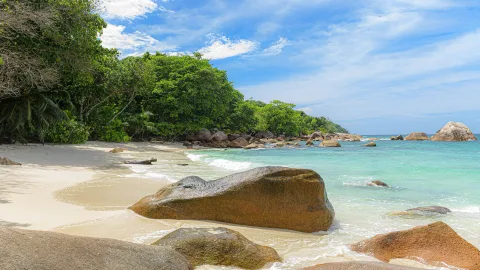
One of the best months of the year. Dry, sunny, +28–30°C. The sea is calm and crystal clear — ideal conditions for snorkeling and diving. Island excursions run without interruption.
- April
A touch hotter — up to +32°C — but still rain-free. Perfect for those who prefer a warmer climate. Toward the end of the month, humidity begins to build — the first hint that summer is approaching.
Why Summer in Nha Trang Defies the Stereotype
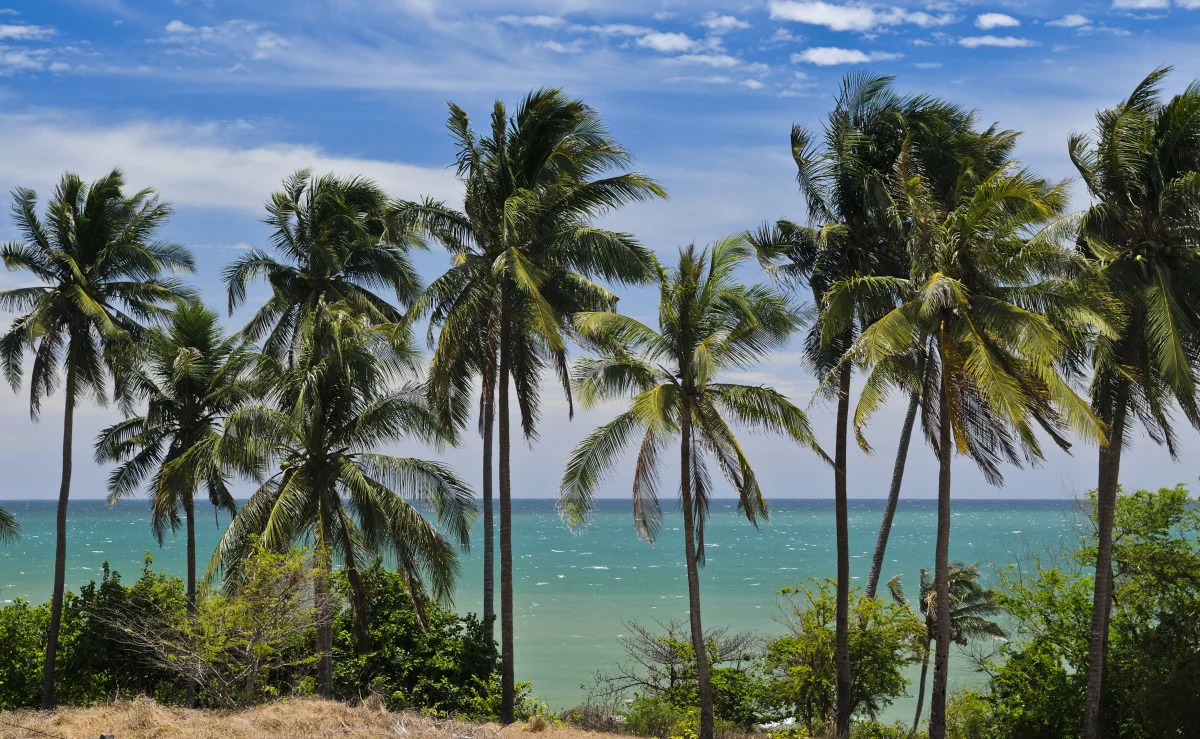
Summer in Nha Trang is dry and hot, contrary to the widespread assumption about Vietnam's rainy season. While the north and south of the country get drenched by the monsoon, the central coast is in the middle of its high season.
May–June. Heat hits its maximum: +32–35°C. Rain falls three or four days a month, briefly, usually in the evening. The sea is warm at +27–28°C, flat calm. For anyone who handles intense heat well, it's an excellent window. Prices run 20–30% below winter levels.
July–August. Peak Russian demand, though Nha Trang is actually less crowded now than in winter — Europeans prefer the Mediterranean. Weather is stable: sunshine, +30–33°C, rain is rare. Direct flights operate from up to ten Russian cities.
September. A transitional month. The first half still feels like summer. By the second, winds strengthen, cloud cover builds, and the first signs of the wet season appear. Swimming is still fine, but weather predictability drops.
October and January: Months With No Guarantees
October. The start of the wet season. Rains become more frequent but don't yet dominate. The sea warms to +26°C, but waves grow and water turns murky after downpours. Island excursions start getting canceled. It's a weather roulette: you might land a week of sunshine, or a week of rain.
The upside: prices drop 30–40%. For those willing to roll the dice, October can pay off. But there are no guarantees.
January. Technically a dry month, but in practice — windy. The northeast monsoon kicks up waves on the city beaches, and the water cools to +23–24°C. Not the best choice for swimming with children. But the air is pleasant at +25–27°C, and for excursions, diving in sheltered bays, and exploring the city, it's perfectly comfortable.
When You Definitely Should Not Go
November is the worst month — and the one capable of destroying an entire vacation.
Tropical cyclones forming near the Philippines make landfall on Central Vietnam's coast precisely in November. Nha Trang takes the main hit: prolonged downpours, storm-force waves, murky water. Swimming at city beaches is banned — red flags line the entire coast.
Excursions to Hon Mun, Hon Tam, and Hon Tre are canceled for weeks. Boats don't go out, snorkeling is impossible.
In some years, November rains trigger flooding and landslides in and around Nha Trang. Streets get submerged, transfers from Cam Ranh airport are delayed, and the airport itself can shut down for several hours.
December is slightly better. Rain still falls, but less frequently. The sea calms, though the water remains cloudy. By the second half of the month, the weather stabilizes and the winter tourist season begins. The first half of December is a gray zone: you might get lucky — or you might not.
How Not to Miss With Your Dates
A simple cheat sheet by month:
- Guaranteed good: March, April, June, July, August
Good but hot: May
Good but windy: February, January
A gamble: October, first half of December, September
Don't go: November
If your vacation is locked to specific dates that fall in a risky period, there's a backup plan within Nha Trang itself. Hon Tre Island (Vinpearl) is protected from the worst waves by breakwaters — swimming there is possible almost always.
And if the sea is storming everywhere, there are still pools, spas, Vietnamese cuisine, and day trips to the mountains of Dalat, where rain on the coast is irrelevant.