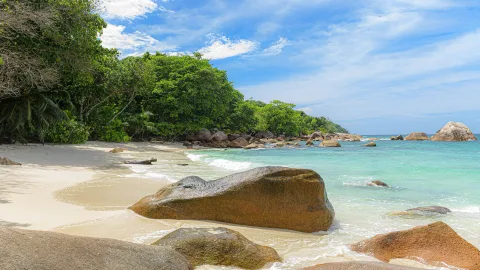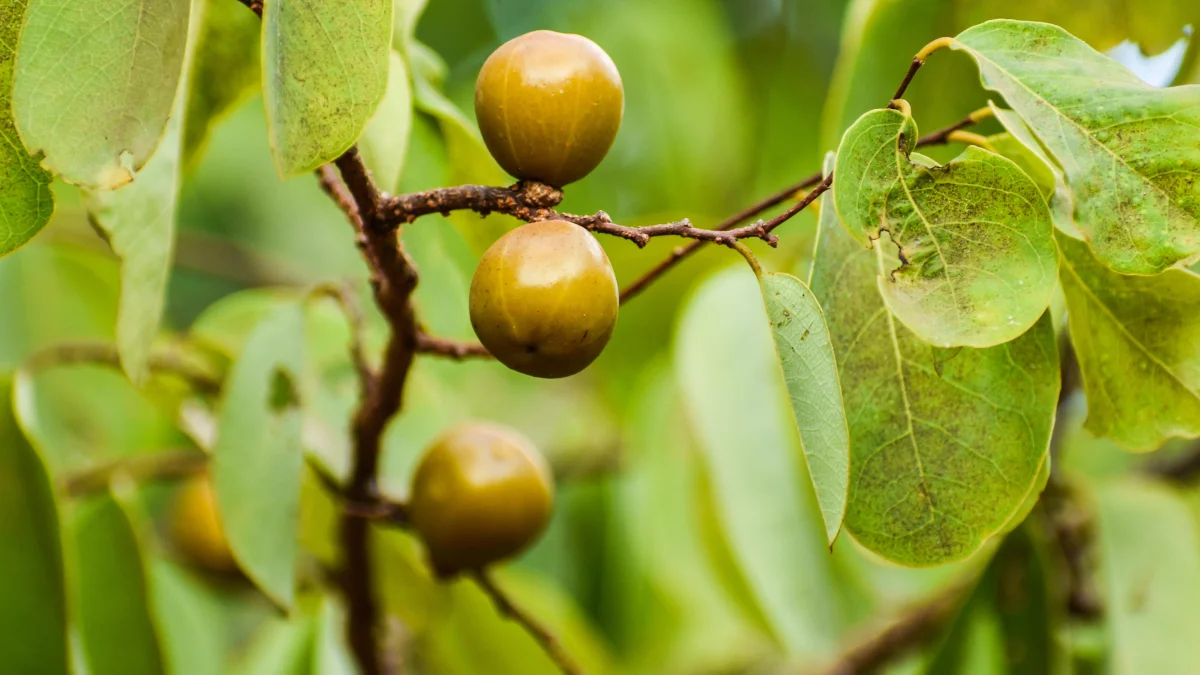
Christopher Columbus called the fruit of this tree «manzanilla de la muerte», or «little apple of death». The manchineel tree (Hippomane mancinella) grows in the mangrove thickets of Southern Florida, the Caribbean basin, Central America, and the northern part of South America, and is listed in the Guinness Book of Records as the «most dangerous tree in the world».
Its sweet-smelling fruit, resembling small green crabapples, can cause hours of agony – and, in most cases, death – from just a single bite.
«I rashly took a bite from this fruit and found it pleasantly sweet, – wrote the radiologist Nicola Strickland in a 2000 article in the British Medical Journal about eating a manchineel. – A few moments later I noticed a strange, sharp sensation in my mouth, which gradually turned into a burning, watering eyes, and a tightness in the throat. The symptoms worsened over the course of several hours, with excruciating pain and the sensation of an enormous lump in my throat».
Fortunately, the woman was able to be saved.

However, the poisonous «apples» are only the tip of the iceberg. Every part of the manchineel is toxic, and according to the Florida Institute of Food and Agricultural Sciences, «interacting with any part of this tree can be deadly». The bark, leaves, and milky sap are dangerous, and a single drop of the latter can burn the skin, raising huge blisters.
NPR reports that «even when burned, manchineel wood releases toxins that can cause blindness in those who stand too close to the smoke».
Plant toxins usually develop for protection, but it is unclear why this tree has been so «successful» in this regard. To deter herbivores, even a hundredth of the dose would have been enough.
According to scientists’ research, the tree contains a cocktail of toxins, as well as some compounds that have yet to be identified. Some of them act instantly, others slowly.
In addition to the short-term danger, some of the manchineel’s compounds may be carcinogenic, promoting the growth of benign and malignant tumors.

The manchineel’s most famous victim is considered to be the conquistador Juan Ponce de León, who led the first European expedition to Florida in 1513. He returned to colonize the peninsula eight years later, but was met with resistance from the Calusa warriors. Some of the indigenous people of the Caribbean basin used manchineel sap to make poisoned arrows, and one of these arrows struck Ponce de León in the thigh during a battle in 1521. He ultimately died from this small wound.
But for all its danger, people make wide use of the manchineel tree in everyday life. Despite its toxicity, Caribbean inhabitants have for centuries made furniture from this plant, carefully sawing the wood and then drying it in the sun to neutralize its poisonous sap. They also used the manchineel as a medicine, including the gum for swelling and the dried fruit as a diuretic.
By the way, although manchineel sap is poisonous to most creatures on Earth, there are some it does not affect. According to IFAS, for example, garrobos, or black spiny-tailed iguanas, from Central and South America eat manchineel fruit and sometimes even live among the tree’s branches.