Nightingale

Perhaps the most famous nocturnal singer. We usually hear its voice in summer; for the winter the nightingale flies off to warm up in Africa. Its songs are so complex, melodic and musical that poets and singers of all eras have drawn inspiration from them – a fine example of how there is always something to be learned from nature.
Blackbird

The name sounds gloomy, but its singing is exceptionally pleasant. Blackbirds usually break into song toward morning and can be heard in almost any park. Their voices are flute-like – stunningly beautiful. Blackbirds sing during the day and evening too, but usually not as loudly or as intensely.
Robin

It too sings mainly at night, weaving intricate trills into which other night sounds – the croaking of frogs, the chirping of crickets – are woven in a surprisingly harmonious way.
Marsh warbler

They create entire symphonies, more like an operetta – songs that are loud, lively and complex in sound. These little birds like to nest in shrubs and even hedges, and the thicker the branches the better. And as plain as the bird itself looks, that is how powerful its voice is.
Common grasshopper warbler

Yes, these are not only insects but also birds. There are several varieties of grasshopper warbler: the common one lives in meadows and fields, the river warbler along riverbanks, and the Savi's warbler also prefers to nest near bodies of water. The grasshopper warbler sings, as you might guess, by making sounds very similar to a cricket's chirping, but with a sort of metallic undertone. The result is meditative and very soothing.
By the way, you can hear how some of them sing HERE – don't deny yourself the pleasure!
Night birds that make very strange sounds
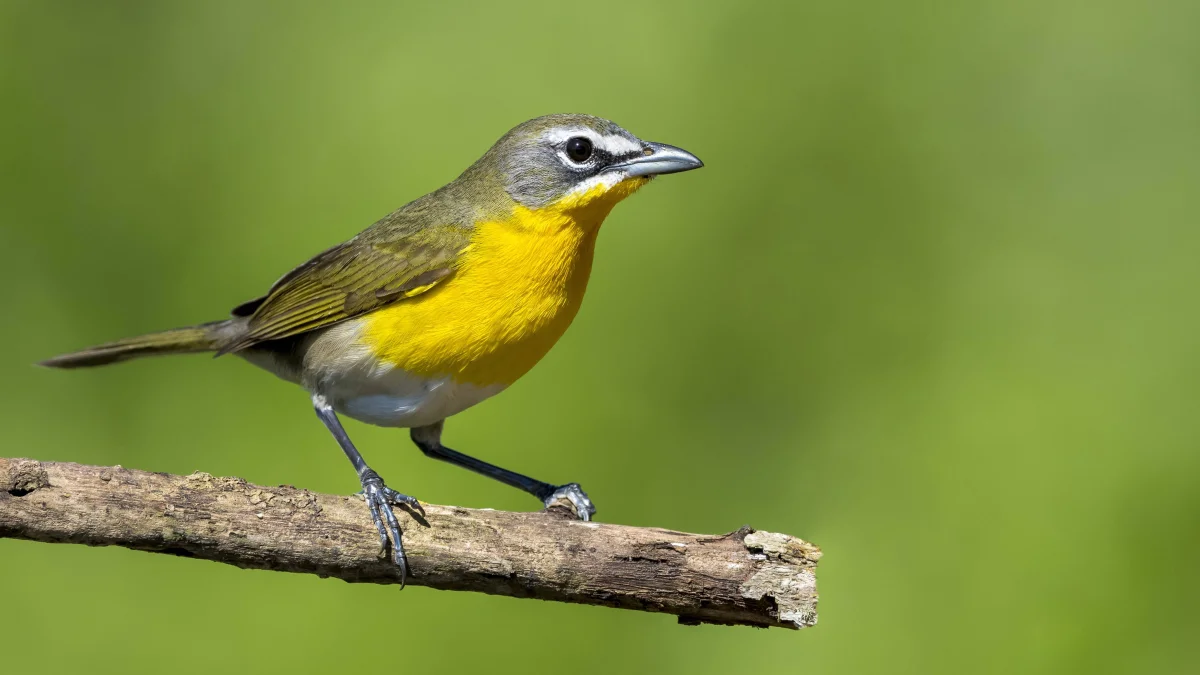
1. Yellow-breasted chat

The yellow-breasted chat usually builds its nests in shrubs and feasts on insects and berries. These birds make a wide variety of sounds. Some of them resemble jazz music, while others are like short whistles. At times the chat's song resembles cackling or even human giggling. And all of this can be heard exclusively in the late evening hours.
2. Common loon

It does not so much sing as howl. Those unfamiliar with the loon's songs, on hearing it, might picture a completely different animal – a wolf, for example – and feel a shiver run down their spine.
The mournful song of the common loon is amplified by water, which makes it even more sinister. Loons can be heard during the day, but they are far more active in making their eerie sounds after sunset.
3. Northern mockingbird

These birds can imitate other sounds that they hear. This might be the song of another bird species or, if they are in an urban setting, even the sound of a car alarm. So if you wake up at night to strange symphonies – it may well be a mockingbird outside your window.
4. Sandpiper

The males love to sing their songs at night, and sometimes the females join in. Their trills are shimmering, usually starting on higher notes and gradually moving into a lower tone. The lively whistle sounds simple but charming.
5. Eastern screech owl

It prefers forest habitats and nests in tree hollows. This bird's trill is distinctive, and if you happen to hear it, it is sure to grab your attention. It is no coincidence that in English-speaking countries it is called the «screech» owl.
When these birds find a mate, they often sing to each other – and most often at night.