Perfect weather in St. Petersburg is so rare that tying your trip to it means never going at all.
St. Petersburg is a city where rain can strike in any month, wind off the Gulf of Finland cuts through you even in summer, and sunny days total roughly 70 per year. But that's precisely what makes it unlike any other city in Russia — and exactly why waiting for "good weather" is pointless. Every season here offers something of its own.
Summer — the obvious choice, but not the only one
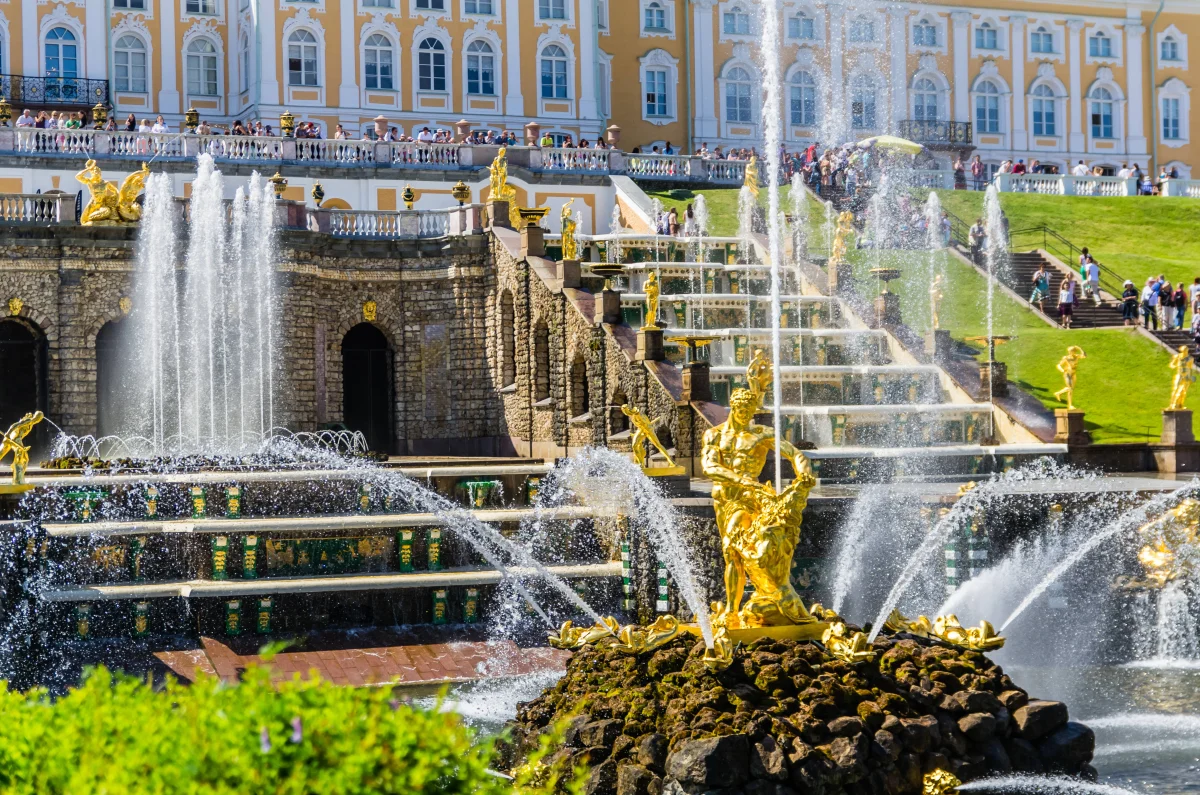
June and the first half of July are the peak of tourist season. White Nights, +18–23°C, endless daylight, the fountains of Peterhof in full flow, drawbridges opening to music. Late June brings the Scarlet Sails festival, and around the same time, the Mariinsky Theatre hosts its Stars of the White Nights festival.
But summer has a flip side:
- Lines at the Hermitage, Peterhof, and Tsarskoye Selo stretch to an hour or more.
- Hotel prices are at their peak, especially downtown.
- The weather is unpredictable — even in July you might get +14°C and three straight days of rain.
- The city is overrun — not just with tourists but with school groups arriving after exams.
If you're going in summer, the second half of August is the better bet. The White Nights are over, but daylight is still long, tourist numbers thin out noticeably, and the weather is often more stable than in June.
Autumn — for those who value atmosphere
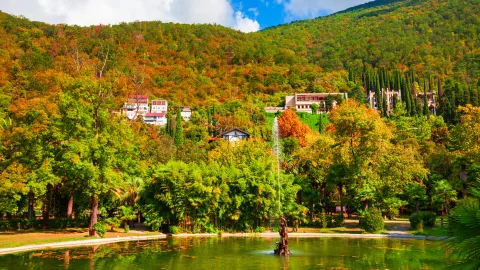
September is one of the best months for a sightseeing trip. It's still warm — +12–17°C during the day — trees in the Summer Garden and on Yelagin Island begin to turn, and the city takes on that quintessential "Petersburg" palette: gold against gray sky and gray water.
The main advantage: museums, parks, and restaurants are no longer overflowing, yet everything is still running at full capacity. You can walk into the Hermitage without a line, and sit down at a restaurant on Rubinshteina Street without a reservation.
October is colder and rainier, but for those coming for palaces, theaters, and cuisine rather than waterfront strolls, that's no obstacle. The theater season is in full swing, with premieres at the Mariinsky and the Bolshoi Drama Theatre.
November is already gloomy, damp, and dark by four. But it's in November that St. Petersburg becomes that very "Dostoevsky city" some people come specifically to experience.
Winter — a surprisingly good option
A Petersburg winter isn't about the beach — it's about light. In December, the city is decorated for New Year's, Nevsky Prospekt glows, and Palace Square with its tree and the illuminated Winter Palace looks like a postcard.
January and February are the cheapest months for a trip. Downtown hotels cost half of what they do in June. There are no museum lines at all. Temperatures range from –5 to –15°C, but on calm, clear days, walking is perfectly comfortable.
A separate winter bonus: the Hermitage without crowds. Halls where you can't get near a painting in summer are half-empty in winter. For anyone coming specifically for the museums, it's the best time of year.
There's one downside, but it's significant: daylight in December lasts just 5.5 hours. It gets dark by three, and most of your walking route will be covered in twilight or under artificial light.
Spring — beautiful but treacherous
April and May in St. Petersburg are a time of contrasts. Early April might still have snow on the ground, while by month's end it's +15°C and sunshine. May marks the start of river and canal navigation, and the Peterhof fountains come back to life.
But spring weather is deceptive: +18°C in the morning, +8°C and biting wind off the Gulf by evening. Dress in layers, and carry an umbrella — always.
The May holidays are the second-busiest period after the White Nights. Hotel prices spike, and Peterhof and Pushkin see lines all over again.
How to weatherproof your trip
St. Petersburg is a city where every rainy day has an indoor answer. A few rules to help you enjoy the trip regardless of the forecast:
- Buy museum tickets online. The Hermitage, the Russian Museum, Peterhof — all offer timed electronic tickets. This saves anywhere from 40 minutes to two hours.
- Have a rainy-day plan. The Fabergé Museum, the Kunstkamera, Grand Maket Rossiya, Novaya Gollandiya with its restaurants and shops — all ready and waiting when the weather chases you off the embankments.
- Dress by Petersburg rules. A windbreaker, scarf, and umbrella — in any season. Even in summer.
- Don't plan more than two or three stops per day. Distances in the center are deceptive, and the Petersburg wind tires you out faster than you'd expect.
The main thing is to stop expecting Mediterranean weather from St. Petersburg. This city is beautiful precisely because gray skies set off the gold of its domes, rain glistens on granite embankments, and fog over the Neva turns bridges into silhouettes. If you're waiting for perfect weather — you're waiting for a different city.