In summer, Dagestan is warm on the Caspian coast and cool in the mountains, but these months also bring more than half of all visitors. In autumn there are fewer people and the mountains are ablaze with colour, but the sea is no longer for everyone. We look at when to go if one thing matters most, and when to go if you want it all.
Over the past few years, Dagestan has gone from being an exotic destination to one of the most popular in the Caucasus. In 2020, the republic received about 850,000 visitors, and in 2025 almost 2 million. Infrastructure has grown along with the visitor numbers: according to the republic's tourism ministry, the number of places to stay rose from 252 in 2020 to 830 in 2025.
But the flow isn't evenly spread: in 2026, more than half of visitors came in July and August. If you want to see Dagestan without the crowds, choosing the right month is almost everything.
What Dagestan Is Like in Different Seasons
The weather on the coast and in the mountains is very different. Below are average figures for Makhachkala: it's always cooler in the mountains, and the temperature drops noticeably in the evening and after rain.
-
Spring (March–May) — daytime temperatures range from 10°C in March to 21°C in May. The sea is cold, at around 16°C in May. The mountains turn green and the waterfalls are in full flow, but the weather is changeable and often wet.
-
Summer (June–August) — 27–30°C by day, 21–23°C at night. The Caspian warms to 25–26°C by July and August. The hottest weeks are in July and early August.
-
Autumn (September–November) — in September it's still around 24°C by day, with the sea at 22–23°C. By October the air has cooled to 18°C, and there are noticeably fewer tourists.
-
Winter (December–February) — mild on the coast, at around 5–7°C by day; snow melts quickly, and the sea doesn't freeze. In the mountains, winter is a different story: it's cold and snowy, and the snowfall raises the risk of avalanches.
For the Sea: July and August
The Caspian Sea warms up late. In May the water is around 16°C and in June 22°C, but swimming only becomes truly comfortable in July and August, when it reaches 25–26°C. In September the sea is still warm, at around 22–23°C, but by October it cools to 17°C.
The best-known beach is in Izberbash, with a gentle slope into the water, fine sand and rocky ridges that act as natural breakwaters. The beach season runs roughly from late May to early October, but if the sea is your main goal, it's best not to take chances and go at the height of summer.
The downside of these months is the crowds: in July and August, more than half of the year's visitors come to the republic. And in summer, the road to Derbent can be jammed with traffic and dangerous overtaking.
For the Mountains: Late Spring and Autumn
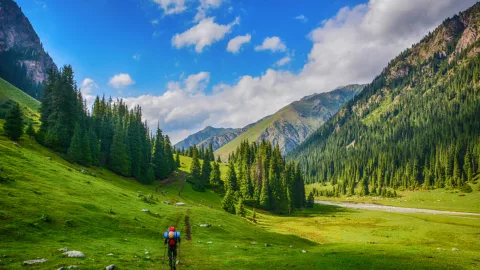
In summer, it's cooler in the mountains than on the coast, so you can escape the heat there. But the most interesting time for the mountains is the shoulder seasons.
Late spring is the time of greenery and water. The waterfalls are at their most powerful: at the Tobot waterfall in the Khunzakh district, for example, which drops more than 50 metres, "a real river" pours down in spring, while in autumn the flow is very weak.
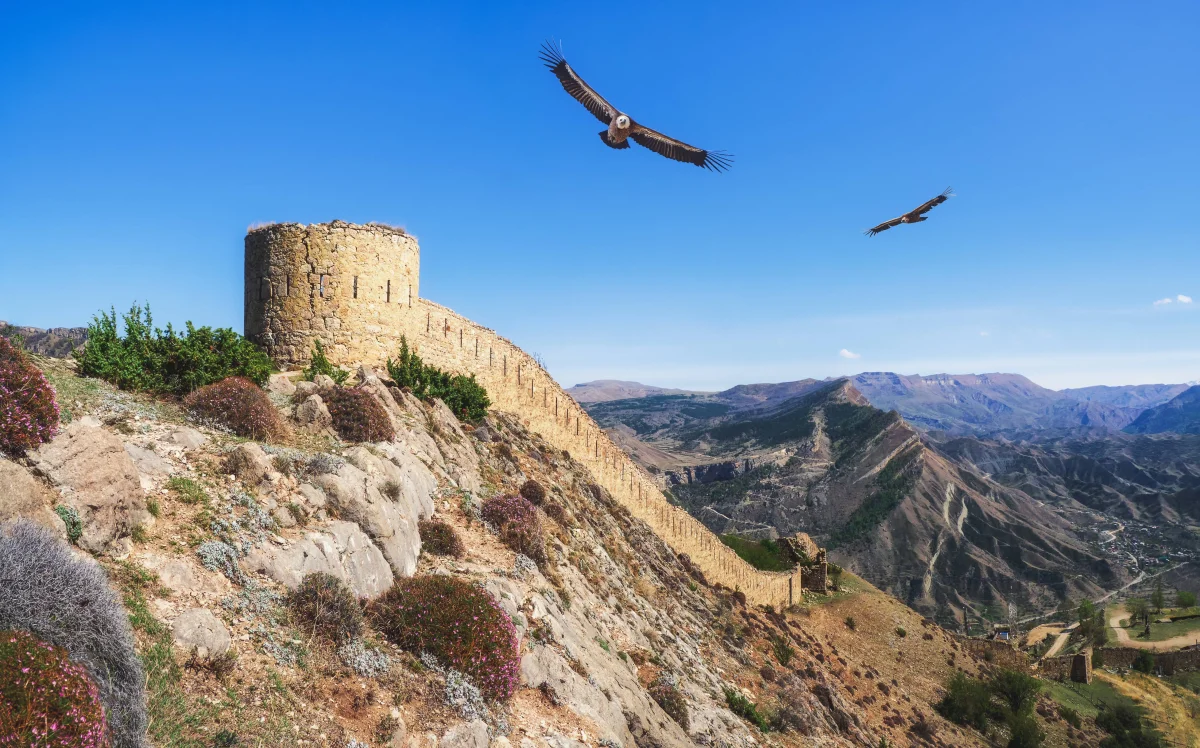
Spring is a good time to visit Gunib, with its fortress and viewpoints, as well as the Sarykum dune, about 30–40 km from Makhachkala.
Autumn is the time of colour and quiet. There are fewer people in the mountains, and the weather still allows for walking: one traveller who visited Dagestan at the end of October wrote that it was 26°C in the mountains during the day. But mountain weather changes quickly, and in October you can't do without sturdy footwear and a warm layer. Autumn is especially lovely in the Karadakh Gorge, a narrow canyon you walk through, in places clambering over stones across a stream.
There's one catch: the ghost village of Gamsutl, reached by a footpath of about 4 km, stands out vividly against the green slopes in summer, but in autumn its stone buildings almost merge with the colour of the mountains. If the view matters to you, choose summer.
For Everything at Once: Late May to June, or September
If you want to combine the mountains and the sea, the best periods are late May to June and September. The sea is already, or still, warm at 22–23°C, there's no summer heat in the mountains, and there are fewer tourists than in July and August.
In summer 2026, Dagestan's tourism ministry expected visitor numbers to grow in August–October "thanks to high demand for seaside and mountain holidays".
September is the month when you can swim in the Caspian in the morning and be walking in the mountains a few hours later.
What to Consider in Spring: the 2026 Floods
Spring in Dagestan can be unpredictable. On March 28, 2026, the republic was hit by abnormal downpours, and on April 4–5 a second, even more destructive wave of flooding followed.
According to forecasters, there hadn't been so much rain in 107 years. Makhachkala and Kaspiysk were flooded, and the Khasavyurt and Derbent districts were badly hit: in the village of Mamedkala, a bridge on the Kavkaz highway collapsed. About 30 districts were left without electricity, there were landslides in the mountains, and at least seven people died.
The consequences also hit tourism. According to the republic's tourism ministry, visitor numbers fell by about 15% in the first half of 2026. From June they returned to the previous year's level, but in the first eight months Dagestan received 1.3 million visitors, 10–15% fewer than a year earlier. If you're planning a trip in early spring, keep an eye on the forecasts and the state of the mountain roads.
How to Prepare for Your Trip
-
Allow plenty of time
Dagestan isn't somewhere to "do" in a weekend: travellers who have been to the republic advise allowing at least two weeks. The distances are considerable: Derbent alone is about 125–130 km from Makhachkala by road.
-
Take care on mountain roads
You'll come across cows and sheep on the hairpin bends, and after rain there may be rockfalls. If you're driving a hire car, bear in mind that LPG (autogas) is cheaper here than petrol.
-
Bring warm clothes even in summer
Nights in the mountains are cold in any season: you'll need a jumper for a night in a mountain guesthouse, and a waterproof jacket in spring and autumn as well.
-
Dress modestly
Locals ask visitors to respect the region's traditions: revealing clothing such as short shorts or plunging necklines will be out of place in villages and on the streets. This doesn't mean wearing a hijab, just clothing that covers you up.
-
Check the status of your flights
Makhachkala airport occasionally restricts operations for a time — at the end of 2025, for example, departures and arrivals were suspended because of the threat of drone attacks. Check with your airline before you fly.