The mosquitoes are long gone, the butterflies have vanished and it's 5°C outside. Yet on a sunny October day, a little cloud of tiny midges hangs over the path in the park, and at home tiny flies circle the bowl of apples. We explain what they are, and why the autumn cold doesn't seem to bother them.
In autumn, midges are more irritating than in summer. In summer they get lost among all the other insects, but in October and November they suddenly turn out to be the only ones still flying. In 2026, an abnormally warm autumn added to the problem: according to the Telegram news channel SHOT, residents of the Moscow, Tver and Tyumen regions were complaining about swarms of flies in their homes even in November.
But "autumn midges" aren't one species: they're several different insects. And each has its own reason for appearing at this time of year.
Who's Dancing in the Air on a Cold Day
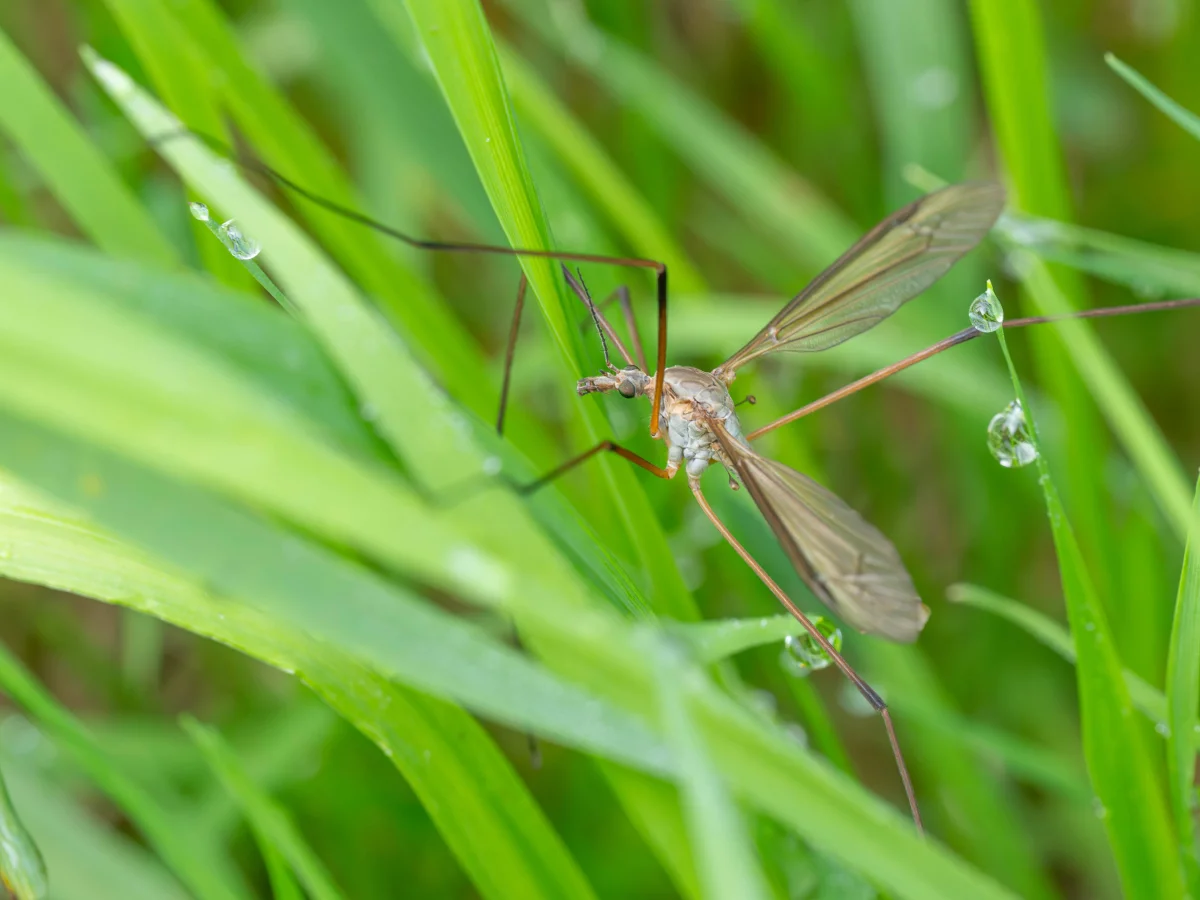
The tiny insects that "dance" in the air, or even on the snow, on a cold day are often winter crane flies of the family Trichoceridae. They look like small crane flies but are harmless to people: "they don't bite and don't drink blood", explains Nikita Savelyev, who holds a PhD in biology.
The cold doesn't put them off. On the contrary, this is their time.
"They're active at temperatures from 0 to 5°C," says Savelyev. That's why you can see them in late autumn, during winter thaws and even on the snow, when other insects have long been dormant.
Autumn is a time of plenty for them. Winter crane fly larvae develop where it's damp and there's lots of organic matter: "in the soil, rotting leaves and decaying plant remains". Fallen leaves and autumn damp are exactly what they need.
Why There Are Suddenly So Many Flies at Home
The tiny flies circling fruit, the bin or the sink are fruit flies, or Drosophila. They're about 2 mm long, with striking brick-red eyes.
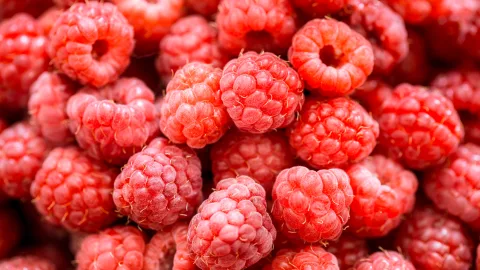
Autumn is their season for a simple reason: the harvest. Crates of apples from the dacha, pears, grapes and tomatoes appear in people's homes. Some of the fruit goes bad and starts to ferment, and the smell attracts the flies. Many of them actually arrive with the fruit: eggs about 0.5 mm long are impossible to spot on the skin.
Fruit flies breed at lightning speed. According to Yelena Golovanova, an entomologist at the Centre for Hygiene and Epidemiology of the Oktyabrsky district of Minsk, a female lays 60–80 eggs, and an adult fly develops from a larva in about eight days. All they need is a temperature of 18°C or above, in other words, ordinary room temperature, and a source of food.
Midges Over Flowerpots
If the midges are hovering not over fruit but over your houseplants, they're sciarid flies, or fungus gnats.
Adult sciarids are 1–3 mm long and look like tiny flies; they don't harm plants, they're just a nuisance. Their white, translucent larvae, however, live in the soil and feed on organic matter and roots.
Sciarids appear where the soil is too wet and poorly aerated, and where the pot contains a lot of organic matter, such as used tea leaves or coffee grounds, which are often used as "fertiliser". Their eggs can also arrive in poor-quality potting compost with a lot of humus.
And Flies in November?
The flies that gather in homes in autumn are a separate story. Their activity usually drops off noticeably in the first half of October, but in 2026 the abnormally warm autumn extended the season into November.
At this time of year, flies are looking for somewhere to spend the winter: they crawl into window frames, under wall cladding and into gaps in buildings. Every time it warms up, they come back out into the rooms, drowsy, slow and often already dying. Hence the complaints about "carpets" of flies on windowsills.
Why a Warm Autumn Multiplies Insects
Warm weather doesn't just extend the lives of insects that are already around: it can also give them an extra generation.
According to Mikhail Sergeev, head of the Department of General Biology and Ecology at Novosibirsk State University, it all depends on whether a species needs a winter dormancy period. If not, "the species can reproduce in favourable weather conditions", and a warm autumn creates those conditions.
There's also a visibility effect: in autumn, midges are almost the only flying insects left, so they're more noticeable. And in warm years like 2026, their season of activity is longer too.
How to Get Rid of Midges at Home
There's no need to do anything about winter crane flies outdoors: they're harmless to people. But a few simple rules will help with the ones indoors.
-
Sort through your fruit and vegetables. Wash and dry your harvest, go through crates of apples and throw out any that are going rotten straight away. Keep cut fruit in the fridge.
-
Clean up the "fly bases". The bin, the sink drain, sponges and cloths are fruit flies' favourite spots. Take the rubbish out more often, and don't leave apple cores or unfinished juice on the table.
-
Set a trap. Shop-bought sticky traps will do, or a homemade one: a jar with fruit or juice as bait and a paper funnel on top. The flies get in but can't get out.
-
Don't overwater your plants. Water houseplants less often, letting the top layer of soil dry out, and don't put coffee grounds or tea leaves in the pots. If fungus gnats have already moved in, remove the top 2–3 cm of soil and replace it with fresh compost, and hang yellow sticky traps above the pots.
-
Close the gaps. In autumn, while windows are still being opened to air the room, insect screens keep out the flies drawn by the smell of fruit, and it's best to seal gaps in window frames before flies settle in them for the winter.