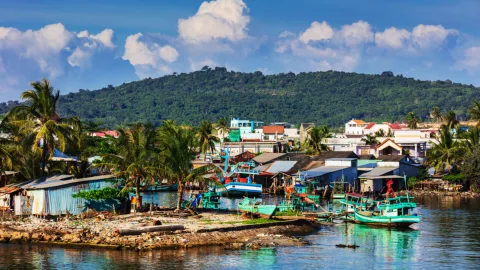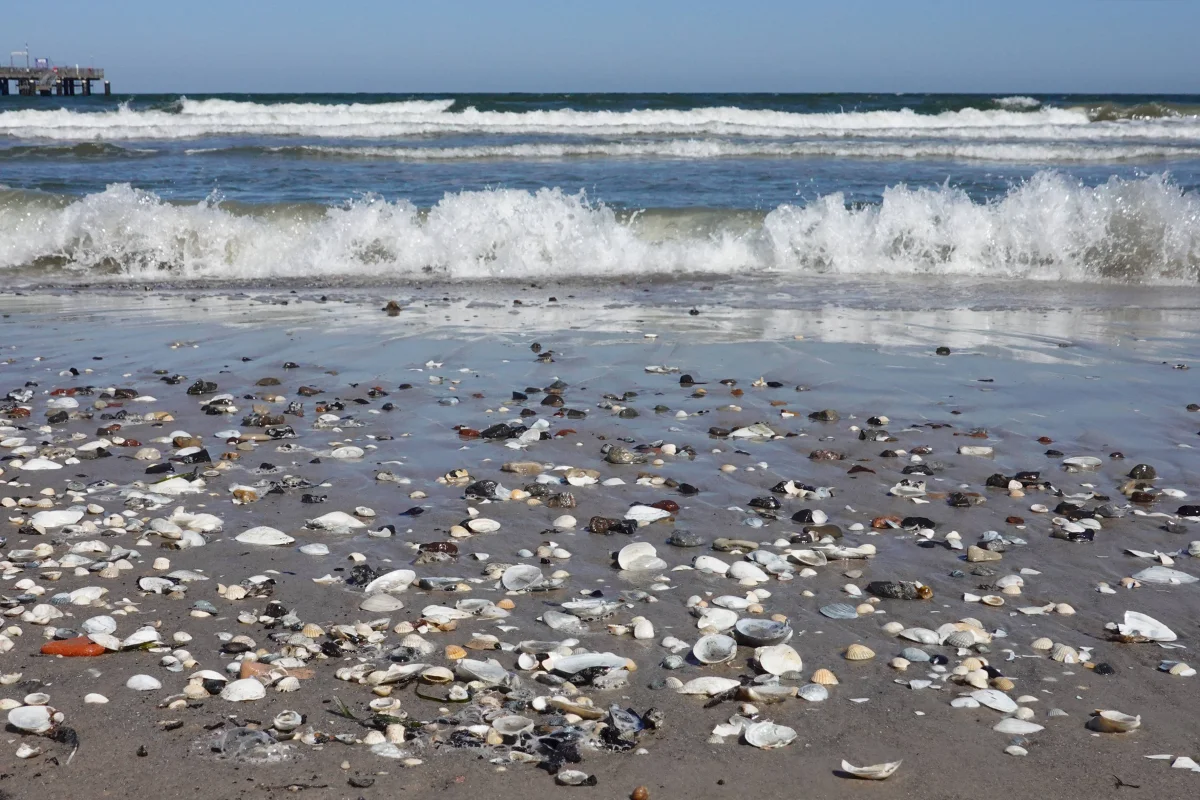
Swimming season in Abkhazia lasts nearly five months — from late May through mid-October — but the gap between "you can get in the water" and "you never want to get out" is a good two months.
The Abkhazian coastline is one of the warmest on the entire Black Sea. The Caucasus mountain range shields a narrow strip of land from northern winds, creating a humid subtropical microclimate.
The region enjoys around 220 sunny days per year, and at the height of the season water warms to +26–28°C. Entry requires only a Russian domestic passport — no international passport or visa needed.
May: An Early Start With Caveats
By late May, the sea warms to +18–20°C — the threshold where swimming is technically possible, but few would call it comfortable. The air is already warm at +22–25°C during the day, with cool evenings. Tourists are scarce, accommodation prices haven't climbed yet, and the first cherries and loquats appear at the markets.
May suits those who aren't coming solely for the beach: walks around Novy Afon, a trip to Lake Ritsa, excursions in Sukhumi. The weather is perfect for all-day sightseeing without wilting in the heat. For swimming with children — too early.
June: The Real Beginning
By mid-June, the water reaches +22–23°C, and swimming shifts from an ordeal to a pleasure. Air temperature hits +25–27°C, rain is infrequent, and beaches are still uncrowded. This is one of the best months for anyone wanting to combine sea and sightseeing without throngs of people or oppressive heat.
In early June, the water may still lag a couple of degrees, especially after a cool May. The second half of the month is a safer bet.
July and August: Peak Season
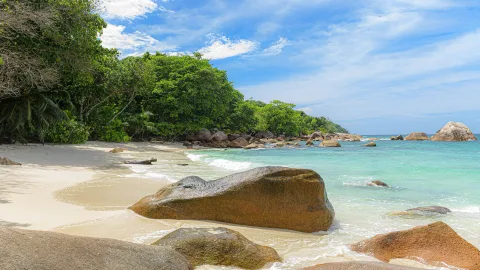
The hottest and busiest months. Air temperature reaches +28–32°C, water +25–28°C. The sea feels like warm milk, and storms are virtually nonexistent. You can swim from morning until late evening.
The downside is heat that, combined with high humidity, feels heavier than on Crimea's drier coast.
Gagra in August is one of the hottest resorts on the entire Black Sea coast. Beaches are overflowing, accommodation prices are at their ceiling, and restaurants have lines out the door.
For those heading into peak season anyway:
- Pitsunda — slightly cooler than Gagra with lower humidity. The beaches are wider, and a relic pine grove fills the air with phytoncides.
- Novy Afon — calmer and greener. Less nightlife, more tranquility.
- Sukhumi — the capital, with an urban rhythm. The beaches aren't the best, but the waterfront promenade, restaurants, and Botanical Garden are right there.
September: The Best Month of All
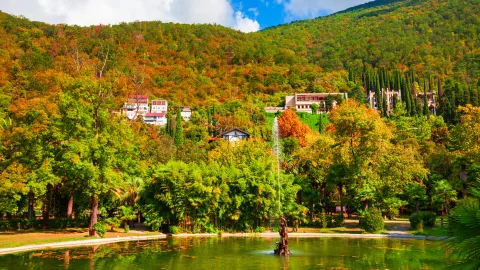
For many seasoned travelers, September is the ideal window. The sea is still warm at +24–25°C, the air sits at +25–27°C, but the exhausting heat is gone. Tourist numbers drop noticeably, beaches open up, and prices start sliding downward.
Markets overflow with fresh figs, persimmons, grapes, and pomegranates. Evenings are warm but no longer muggy. The sea retains its summer warmth and cools slowly, so the water temperature difference from August is just a couple of degrees. For families with children who aren't tied to school holidays, it's the best possible choice.
The only risk: toward the end of September, rains may set in. But for now these are brief downpours, not prolonged stretches of bad weather.
October: The Finale for the Patient
In the first half of October, the water is still +21–22°C — swimming is still on the table, though evenings turn cool. By the second half of the month, the sea cools, rains become more frequent, and some cafés and guesthouses close for the season.
October is the time when feijoa and persimmon ripen, promenades stand empty, and prices drop to their lowest. A bit late for a beach vacation, but perfect for autumn walks through Abkhazia, trips into the mountains, and tasting the local cuisine.
How Abkhazia Differs From Neighboring Sochi
The two destinations sit side by side, but the differences are tangible. Abkhazia is cheaper — accommodation, food, and excursions cost roughly half what they do in Sochi. Beaches are less packed, and the natural landscape feels wilder and more untouched.
But the service is simpler. Roads are rougher, public transport runs irregularly, and not all guesthouses accept cards.
Medical care is limited — serious health issues mean a trip back to Russia. Internet and mobile coverage work, but signal outside the main towns is unreliable.
Choosing the Right Time
Want warm sea without the heat and the crowds — go in September. Want the warmest possible water — August, but brace for humidity and packed beaches. Want quiet and low prices — June or October.
And if your schedule only allows for a single week — put your money on the second half of September: the sea still feels like summer, and the resort can finally breathe.