The tornado that struck Kushva on June 22, 2026 destroyed nearly a hundred homes in a matter of minutes — a stark reminder that tornadoes in Russia are no longer a rarity, and knowing a few simple rules can save your life.
Tornadoes have been recorded across Russia's Central Region, the Volga area, the Urals, Siberia, Transbaikal, and the Black Sea coast of the Caucasus.
Wind speed inside the funnel can reach 100 m/s (360 km/h), and the funnel itself can travel dozens of kilometers, leveling everything in its path. The time you have to make a decision is measured in minutes.
How to Tell a Tornado Is Coming
If there's been no official warning from EMERCOM, watch for these signs:
- A sudden spike in wind speed to 20–30 m/s.
- A rapid drop in atmospheric pressure — your ears may pop.
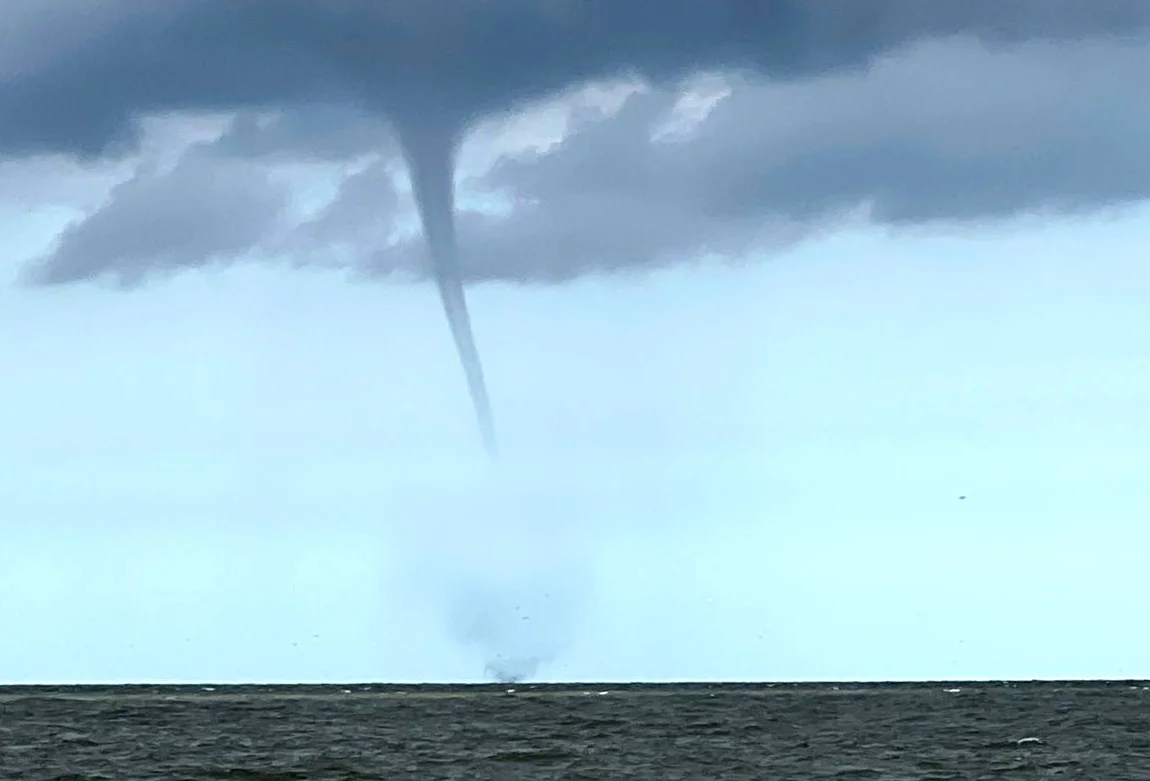
- A dark, funnel-shaped cloud descending toward the ground.
- A distinctive low rumble resembling the sound of a freight train.
- A sudden downpour with large hail — often a precursor to a tornado.
A tornado forms rapidly — from the first signs to impact can be just a few minutes. If you see a funnel, act immediately.
Taking Shelter Inside a Building
The safest spot is a basement, cellar, or ground-level floor below grade. If there's no basement, head for interior rooms on the first floor: a hallway, bathroom, closet, or utility room. Walls with no windows are the key criterion.
What to do:
- Move away from windows. During a tornado, glass blows inward and shards scatter for meters.
- Close all windows, doors, and vents — the pressure differential inside a tornado can tear a roof off if the building isn't sealed.
- Shut off gas and electricity — damaged wiring and gas lines cause fires and explosions during tornadoes.
- Take cover under sturdy furniture — a heavy table, a built-in wardrobe. Protect your head with your arms, a jacket, or a pillow.
- Stay away from heavy objects that could topple — refrigerators, bookshelves.
A wooden house is dangerous to stay in — it can be demolished or lifted whole. If there's a cellar, get down into it. If not, leave the house and look for a sturdier shelter or a depression in the ground.
What to Do in Open Country
The ideal move is to reach a solid building with a basement in time. If that's not possible:
- Find any depression in the ground — a ditch, a roadside gully, a ravine, a pit. Lie face down at the bottom, press yourself flat against the earth, and cover your head with your arms.
- Stay as far as possible from buildings, bridges, power lines, and trees — all of these can collapse or be swept up by the vortex.
- Don't shelter under bridges or overpasses. Contrary to a widespread myth, wind accelerates beneath them rather than weakening.
- Protect your face and head with whatever you have — a jacket, a bag, branches.
Why Your Car Is a Terrible Shelter
A car is one of the worst places to be during a tornado. A moderate-strength funnel can lift a vehicle into the air and flip it. EMERCOM recommends:
- Don't try to outrun a tornado by car — its trajectory is unpredictable, and its ground speed can reach 60–70 km/h.
- If the tornado is far away and you can see its direction, try driving perpendicular to its path.
- If the tornado is close, leave the car and take cover in the nearest depression, pressing yourself to the ground.
- If you can't get out, crouch below window level, cover your head with your arms, and shield yourself with a jacket or blanket.
What You Must Never Do
Don't open windows "to equalize pressure" — this advice is outdated and has been debunked. Open windows don't save the roof; they let wind and debris inside.
Don't stay on upper floors — that's where destruction is greatest. Don't step out onto the balcony to "have a look." Don't shelter against exterior walls — they're the first to fail.
After the Storm Passes
Don't leave your shelter right away — make sure the event is truly over. A tornado can consist of multiple funnels arriving in succession.
Once you emerge:
- Don't enter damaged buildings — collapse is possible.
- Don't touch downed power lines — they may still be live.
- Check for gas leaks — if you smell gas, don't turn on lights or strike a flame.
- Call 112 and report any casualties.
Who to Call
112 — the universal emergency number. 101 — the fire service. EMERCOM tornado warnings are delivered through the alert system, accompanied by a siren and the message "Attention everyone!"
If you have EMERCOM notifications enabled on your phone, don't ignore them. The lead time a warning gives you may be the difference between life and death.