Australia is one of the few countries where a "no swimming" sign at the beach might not mean dirty water or rough surf — it could mean something in the water is capable of killing you in three minutes.
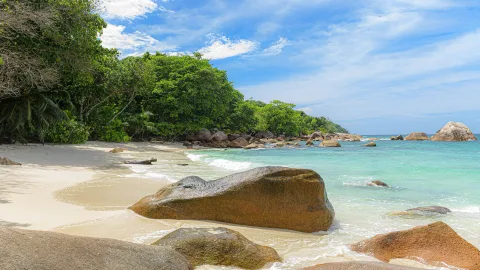
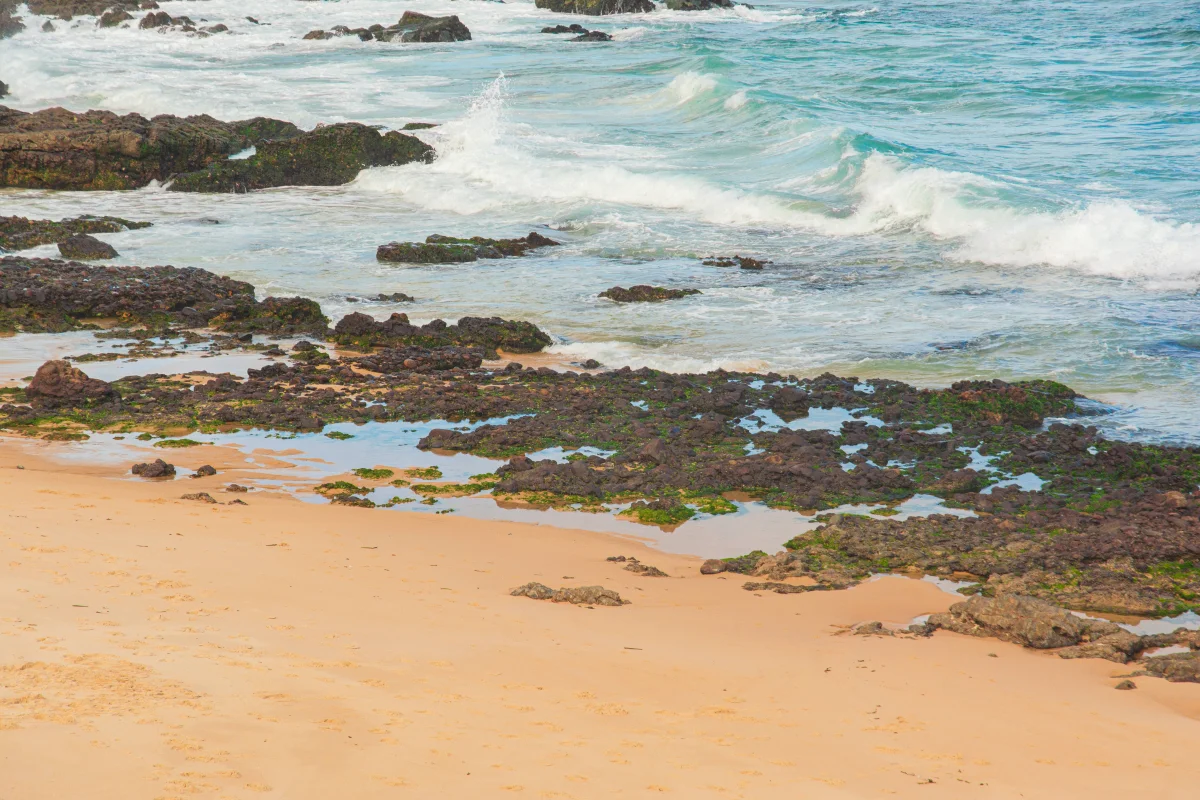
Australia's coastline stretches for 36,000 kilometers, and much of it looks like a travel commercial: turquoise water, white sand, palm trees. But this is also where one of the most dangerous coastal ecosystems on the planet has evolved.
Sharks are merely the tip of the iceberg. Lurking in the water, under rocks, and even in the sand near shore are creatures most tourists only learn about from warning signs.
The Box Jellyfish: The Real Killer
Sharks kill an average of 1–2 people per year in Australia. The box jellyfish — also known as the "sea wasp" — has claimed dozens of lives over the past century. The difference is speed: after contact with a sea wasp's tentacles, a person can die of cardiac arrest in 2–3 minutes.
The box jellyfish is a nearly transparent creature with a dome the size of a basketball and tentacles up to three meters long. Spotting one in the water is virtually impossible. Every tentacle is covered in stinging cells that inject venom at the slightest touch. The pain is so intense that swimmers lose consciousness before they can make it back to shore.
Box jellyfish season along Australia's northern coast runs from October through April. During this period, beaches in Queensland and the Northern Territory put up protective nets, but they offer no full guarantee: small individuals and detached tentacles slip through the mesh.
Irukandji: The Invisible Terror
If you can at least theoretically spot a box jellyfish, the Irukandji is a different story. This jellyfish is the size of a pinky fingernail — just 2–2.5 centimeters including its tentacles. Its sting feels like a mild tingle, and most people ignore it.
Twenty to thirty minutes later, what's known as Irukandji syndrome sets in: agonizing pain in the back and lower spine, nausea, blood pressure spikes, rapid heartbeat, and an overwhelming sense of impending doom. Without medical intervention, the outcome can be fatal.
In 1961, Australian physician Jack Barnes deliberately let himself be stung to prove the link between the jellyfish and the syndrome — documenting the symptoms for science at his own expense.
Crocodiles: Not Just in the Rivers
The saltwater crocodile is the largest coastal predator on the planet, reaching lengths of six meters. In Australia, it inhabits not only rivers and swamps but also the coastal waters of the Pacific and Indian Oceans. Along the northern coast — from Queensland to Western Australia — entering the water without scouting first is dangerous.
Crocodiles have been a protected species since 1974, their population has recovered, and attacks on humans have grown more frequent. Beaches are periodically closed when reptiles are spotted. Unlike sharks, which more often bite "by mistake" and let go, a crocodile deliberately hunts a human as prey.
What Else Is Hiding in the Water
The list goes far beyond jellyfish and crocodiles:
- Blue-ringed octopus — fits in the palm of your hand, yet carries enough venom to kill several people. Paralysis sets in within minutes, and no antivenom exists. The only chance of survival is artificial respiration until paramedics arrive.
- Stonefish — disguises itself as a rock on the seabed. Stepping on one drives venomous spines into your foot, causing excruciating pain and, without treatment, tissue necrosis.
- Sea snakes — more than 30 venomous species inhabit coastal waters. Dubois' sea snake can stay submerged for up to an hour, and its bite causes respiratory paralysis.
- Cone snail — a beautiful shell you'll want to pick up. Its harpoon-like sting injects a neurotoxin capable of killing a full-grown adult.
Rip Currents: The Invisible Threat With No Teeth or Venom
For all the variety of venomous fauna, the leading cause of death on Australian beaches isn't an animal — it's rip currents. These form when water pushed shoreward by waves funnels back out to sea in a narrow stream.
Speeds reach up to 2.5 m/s, and even a strong swimmer cannot power through one head-on.
Every year, lifeguards on Australian beaches perform thousands of rescues involving rip currents. The rule is simple: if you're caught in one, don't fight it — swim parallel to shore until you're free of the pull.
Where You Actually Can Swim
It sounds terrifying, but Australians swim every day — they just do it smartly. Patrolled beaches have lifeguards on duty, jellyfish and shark nets in place, and swimming zones marked by red-and-yellow flags.
The southern coast — Sydney, Melbourne, Adelaide — is significantly safer than the north. There are no box jellyfish or crocodiles here, and shark encounters are less frequent. The famous Bondi Beach in Sydney is one of the most heavily guarded in the world: lifeguards patrol the water, the shore, and the sky using drones.
The cardinal rule: swim only between the flags, only at patrolled beaches, only during designated hours.
Australia is a country where the beauty of the coastline is inversely proportional to its safety: the more scenic and deserted the beach, the higher the chance of meeting something you'd rather not.