August in Abkhazia means +30–35°C in the shade, humidity pushing 80%, and sea water that warms to +28°C and stops being refreshing. It's the combination of heat and moisture that makes peak season not just hot, but physically grueling.
The Abkhazian coast sits in a humid subtropical zone. The Caucasus mountain range blocks northern winds, while the Black Sea acts as a natural humidifier: evaporation from the water surface saturates the air with moisture year-round.
In summer, this mechanism turns the heat into a steam room. At +32°C with 80% humidity, the body perceives the temperature as +38–40°C — sweat doesn't evaporate, and the cooling mechanism simply shuts down.
When the Heat Peaks
The hottest stretch runs from the second half of July through the end of August. Average daytime temperatures on the coast sit at +29–31°C, but in Gagra the thermometer regularly climbs to +33–35°C, and in direct sun it feels like a full +40°C. At night it's +23–25°C, and falling asleep without air conditioning is a struggle.
Gagra is the hottest resort in Abkhazia. The city is squeezed between mountains and sea, ventilation is poor, and the air stagnates. Pitsunda is slightly cooler — a relic pine grove drops the temperature by a couple of degrees and fills the air with phytoncides. Sukhumi is hot too, but as September approaches, the nights grow noticeably fresher.
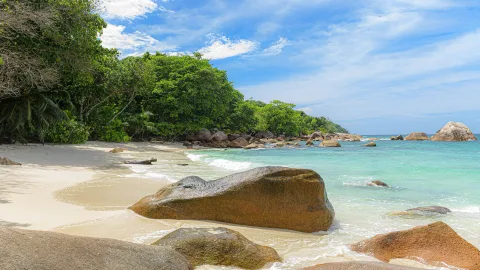
The sea in August warms to +26–28°C. That sounds ideal, but in practice, water at that temperature stops refreshing — you feel just as hot after a swim as before.
Who Will Struggle Most in August
High humidity paired with heat puts real strain on the body. August in Abkhazia is especially hard for:
- People with cardiovascular conditions or hypertension — humid heat increases the load on the heart.
- Older travelers — the body's thermoregulation becomes less efficient with age.
- Families with small children — little ones overheat faster than adults.
- People with respiratory conditions during flare-ups — heavy, humid air worsens shortness of breath.
For all of these groups, June or September is significantly more comfortable — temperatures run 5–7 degrees lower, and the humidity doesn't press down as hard.
How to Get Through the Heat on the Coast
Locals and experienced visitors have long settled on simple rules that make August bearable.
- Restructure Your Day
Beach time before 11 a.m. and after 4–5 p.m. The middle of the day belongs to an air-conditioned room, a restaurant, or a siesta. Trying to sunbathe from noon to four is a direct route to heatstroke or burns.
- Air Conditioning Is Non-Negotiable
July and August are the only months when air conditioning in Abkhazia isn't a luxury — it's a necessity. When booking, confirm it's available — far from all guesthouses are equipped.
- Water, Water, Water
Drink at least 2.5–3 liters a day, without waiting until you're thirsty. In the heat, the body loses moisture faster than it sends the signal. Bring a bottle of water to the beach — not just a towel.
- Hat and Sunscreen
The subtropical sun is more aggressive than it seems. At 80% humidity, you can burn in 20–30 minutes, and the burn doesn't show up immediately — wind and moisture mask the skin's overheating.
The Mountains: Nature's Air Conditioner
A thirty-minute to one-hour drive from the coast, and the temperature drops by 10–15 degrees. When the heat becomes unbearable, a day trip to the mountains is a rescue mission for both body and mind.
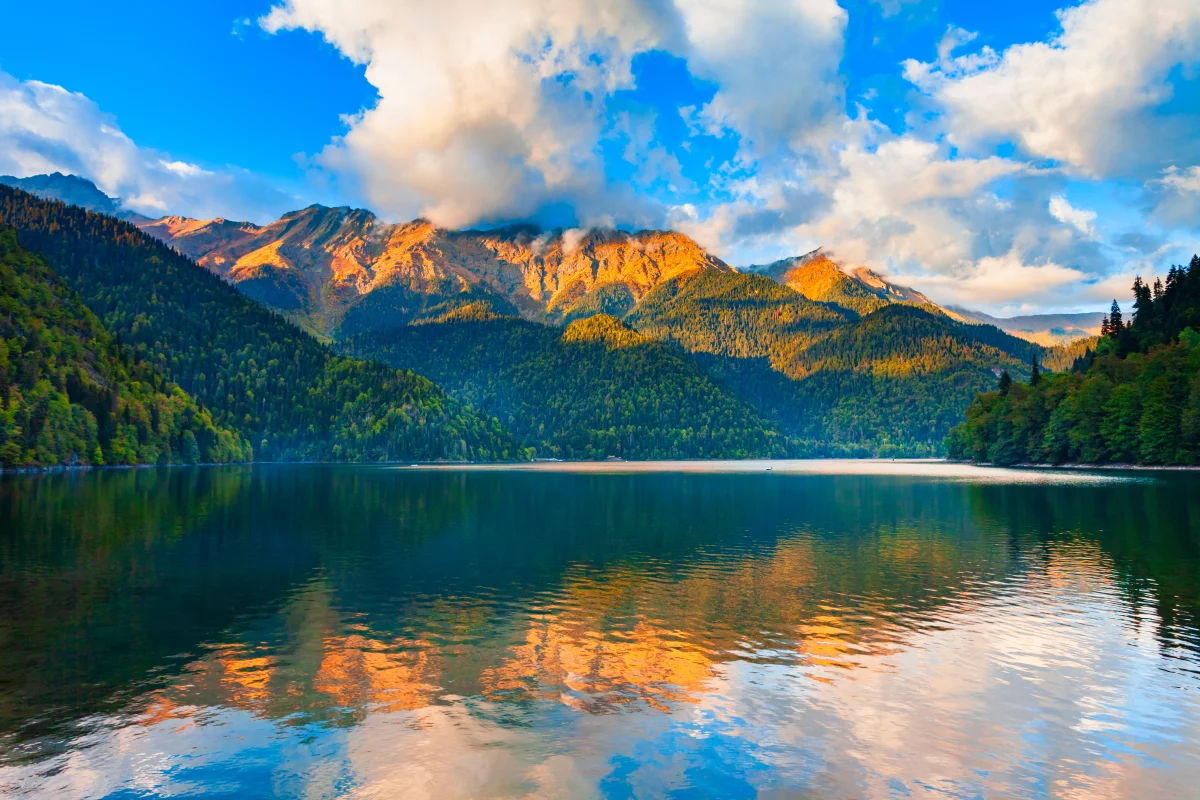
- Lake Ritsa — at 950 meters' elevation, +20–22°C even in August. Cool air, emerald water, mountains all around. It's the most popular excursion in Abkhazia, but go in the morning — by noon the road is clogged with tour buses.
- Gegsky Waterfall — deep in a mountain gorge, reachable only by SUV. The spray of ice-cold water and the shade of the cliffs feel like a different world after +35°C on the beach.
- Auadkhara — alpine meadows at 1,600 meters, above Lake Ritsa. It's +16–18°C here in August, and a sweater won't be overkill.
When the Heat Finally Breaks
The turning point comes in the first days of September. Air temperatures drop to +25–27°C, nights turn fresh at +18–20°C, and you can sleep with the window open. The sea still holds its summer warmth at +24–25°C, and unlike August's +28°C, it finally feels refreshing.
September in Abkhazia is an entirely different vacation: the same infrastructure, the same warm sea, but without the punishing heat and the crowds. Markets fill up with figs, persimmons, and grapes. Beaches have free loungers. In your room, you can switch off the AC and open the balcony. For those with the freedom to choose, this is the best time there is.